
Couroupita guianensis,
Lecythidaceae
Cannonball Tree
AKA: Shivling, Kailasapati
ORIGIN
Introduced
GEOGRAPHIC RANGE
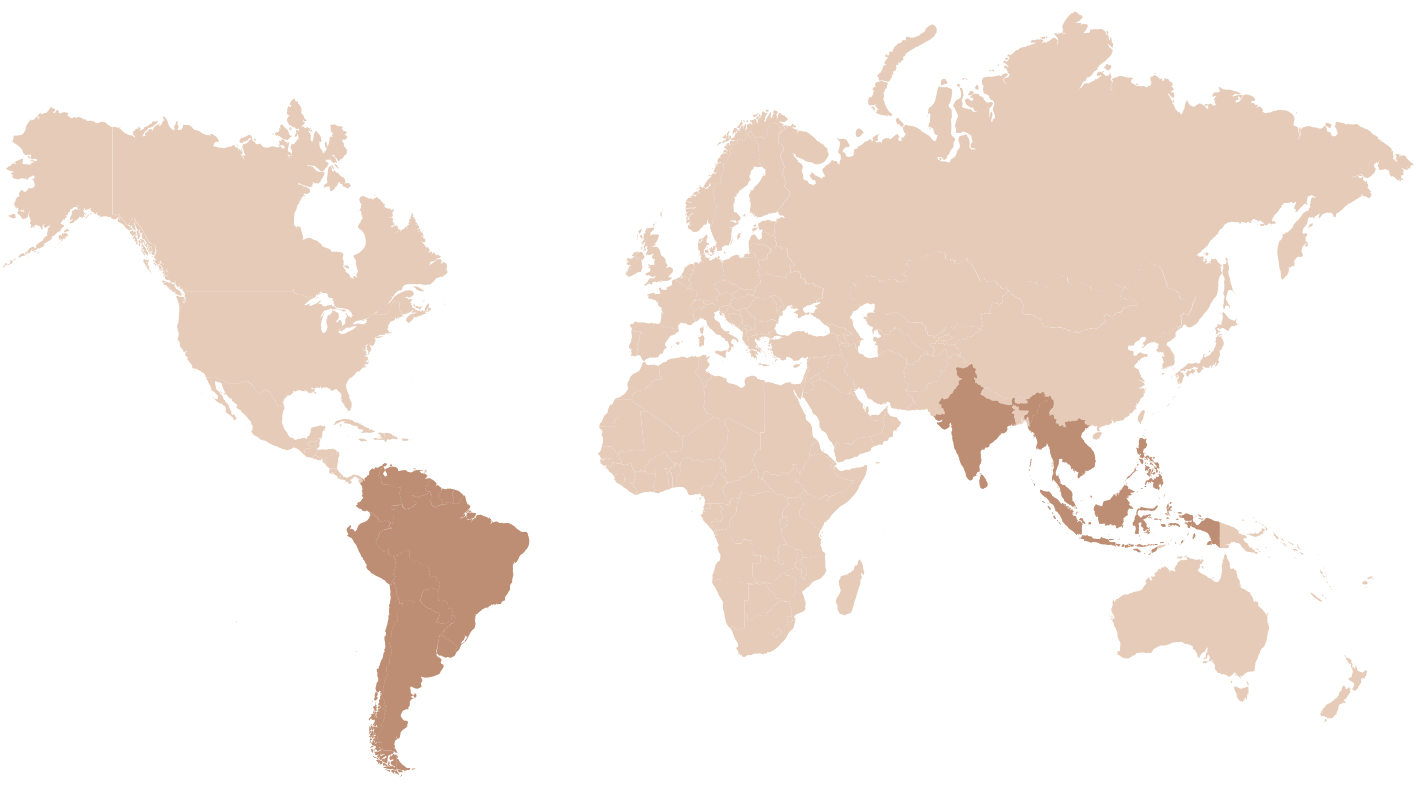
The Cannonball Tree is native to the tropical forests of northern South America, including
Guyana, Brazil, Colombia, Venezuela and Ecuador. It is now widely cultivated in India, Sri Lanka and much of Southeast Asia.
HEIGHT
upto 35 m

CONSERVATION STATUS
Least Concern on the
IUCN Red List
IUCN RED LIST
Established in 1964, The IUCN Red List is a critical indicator of the health of the world’s biodiversity. Species are classified by the IUCN Red List into nine groups, through criteria such as rate of decline, population size and area of geographic distribution as:
- Extinct (EX) – This species is no longer extant
- Extinct in the wild (EW) – Survives only in captivity, or through cultivation often outside native range
- Critically endangered (CR) – In an extremely critical state
- Endangered (EN) – Very high risk of extinction in the wild
- Vulnerable (VU) – At high risk of unnatural (human-caused) extinction
- Near Threatened (NT) – Close to being endangered in the near future
- Least Concern (LC) – Widespread and abundant in the wild
- Data Deficient (DD) – Inadequate information to assess extinction risk
- Not Evaluated (NE) – Has not yet been assessed
ORIGIN
Introduced
HEIGHT
upto 35 m
GEOGRAPHIC RANGE
The Cannonball Tree is native to the tropical forests of northern South America, including
Guyana, Brazil, Colombia, Venezuela and Ecuador. It is now widely cultivated in India, Sri Lanka and much of Southeast Asia.
CONSERVATION STATUS
Least Concern on the
IUCN Red List
BARK, FOLIAGE, FRUIT & FLOWER
Bark: Used in traditional medicine for its anti-inflammatory and antimicrobial properties.
Leaves: Used for treating skin conditions and wounds in folk medicine.
Flowers & Fruit: Large, fragrant flowers bloom year-round directly from the trunk; heavy, spherical fruits fall and break open to disperse seeds.
Leaves: Used for treating skin conditions and wounds in folk medicine.
Flowers & Fruit: Large, fragrant flowers bloom year-round directly from the trunk; heavy, spherical fruits fall and break open to disperse seeds.

GENERAL DESCRIPTION
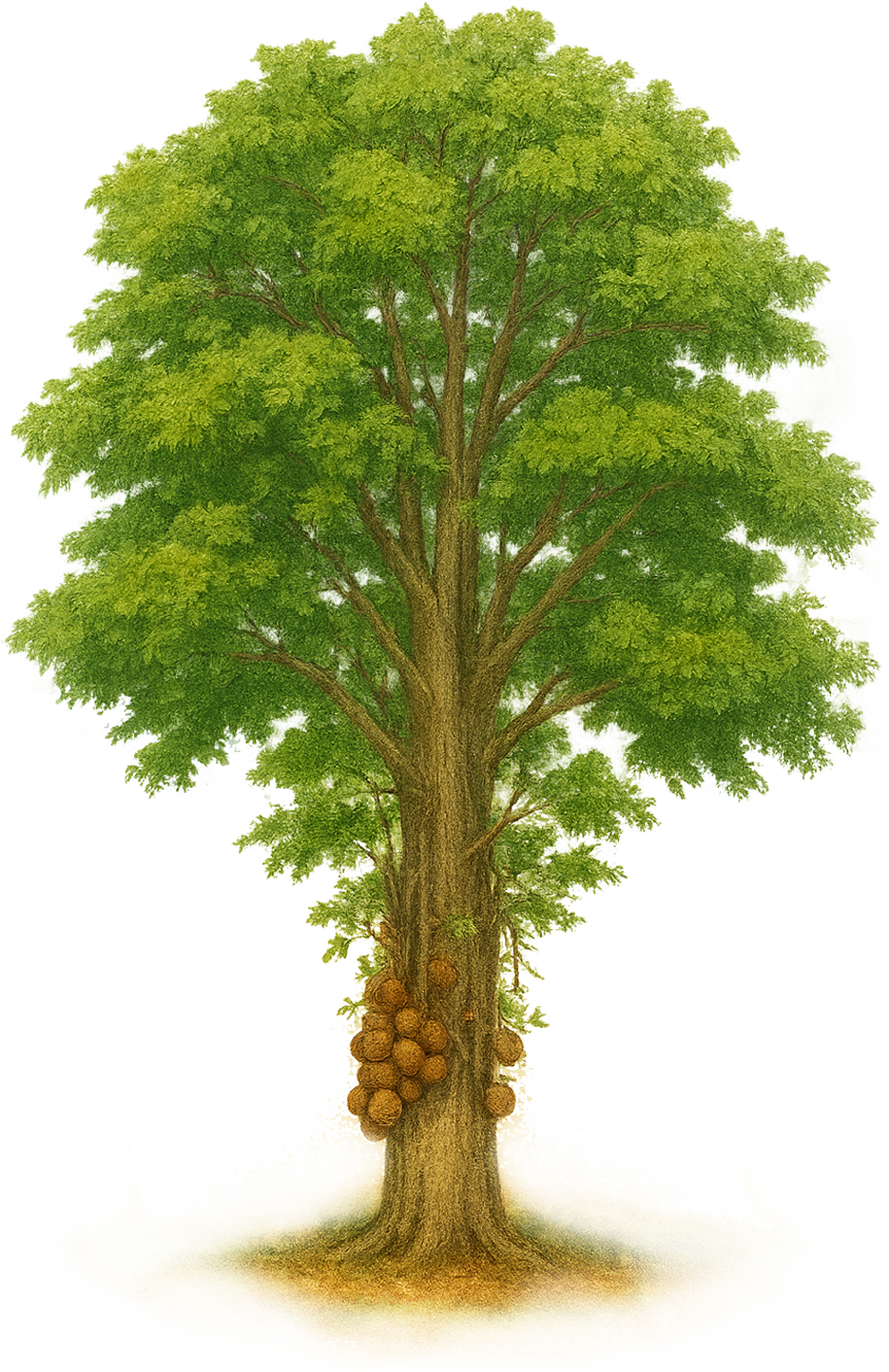
The Cannonball Tree is a large deciduous tree growing about 20 - 35 meters tall, with a straight trunk and a wide, spreading crown. One of its most remarkable features is cauliflory, meaning the flowers grow directly from the trunk and main branches rather than from the tips. The flowers are large, waxy and strongly fragrant, showing a mix of pink, red, yellow and white colours. They attract bees, especially carpenter bees. The tree produces large, round, woody fruits that resemble cannonballs and measure about 15 - 25 cm in diameter. These heavy fruits fall to the ground and break open to release the seeds.
Read more

MEDICINAL USE
In traditional medicine, Cannonball flowers and leaves are used to treat skin diseases, inflammation and wounds. The fruit pulp is applied for fungal infections, pain relief and cold-related ailments. Bark extracts are used for their anti-inflammatory, antimicrobial and antioxidant properties and the tree is also used in folk remedies for diarrhea, hypertension, tumors and toothache.
Read more
ECOLOGICAL IMPORTANCE
The strongly scented Cannonball flowers attract a variety of pollinators, including bees, bats and insects, supporting biodiversity. The tree creates microhabitats around its trunk and fallen fruits, adding to the ecological richness of tropical landscapes.
Read more
CULTURAL SIGNIFICANCE
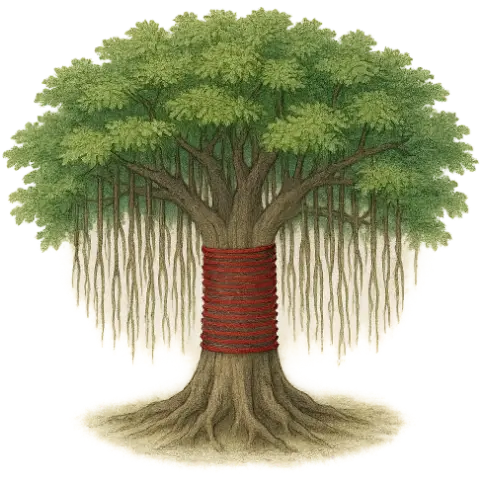
The Cannonball Tree is considered sacred in Hinduism and Buddhism and is often planted near temples. In India, the flower is associated with Lord Shiva and is believed to resemble a Shivalinga, symbolizing purity and divinity. Its striking appearance makes it popular as an ornamental tree in parks, universities and spiritual complexes.
Read more
HABITAT
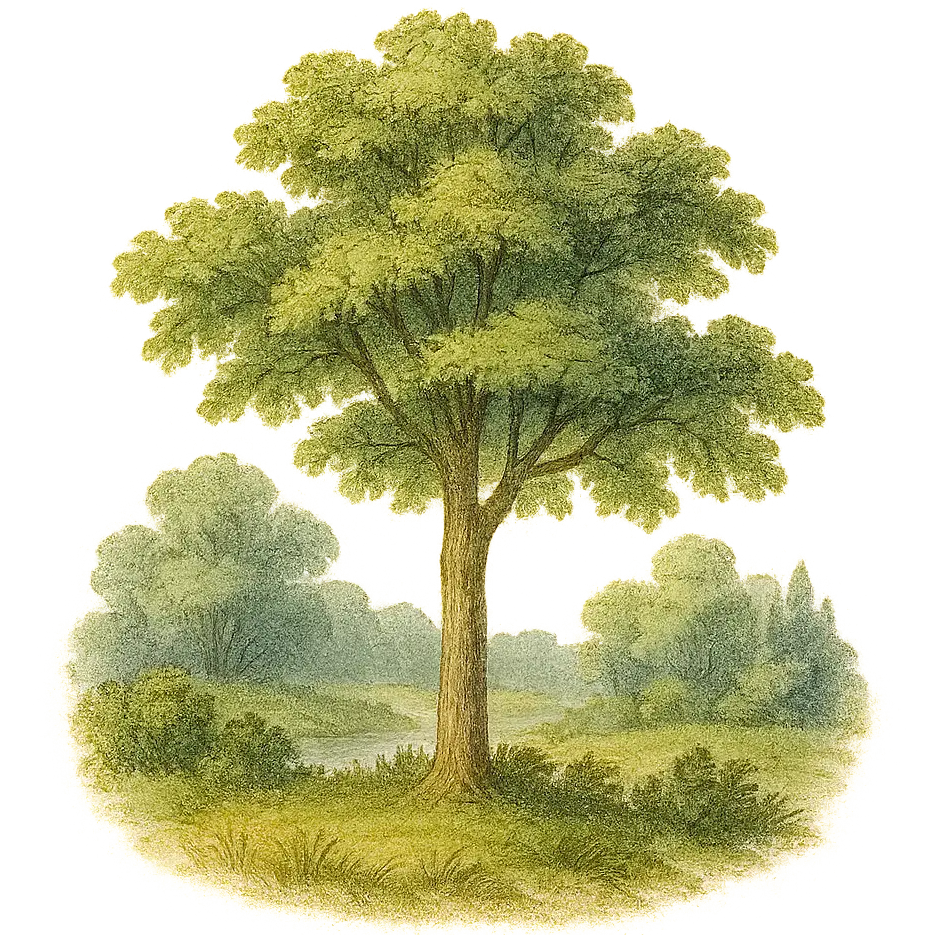
The tree thrives in moist tropical climates, often grown as an ornamental and sacred tree.
Read more

CULINARY USE
The Cannonball tree is not used for human consumption, as the fruit pulp has a strong and unpleasant odor. In some rural areas, the fruit is occasionally used as animal feed, though this is uncommon.
Read more

FOUND HERE
Apollo
Read more

DO YOU KNOW?
When ripe Cannonball fruits fall, they can hit the ground with a loud crash, which is how the tree got its dramatic name.


EARTH CHALLENGE
What makes the flowering of the Cannonball Tree unique?