
Dalbergia sissoo,
Fabaceae
Indian Rosewood
AKA: Shisham
ORIGIN
Native
GEOGRAPHIC RANGE
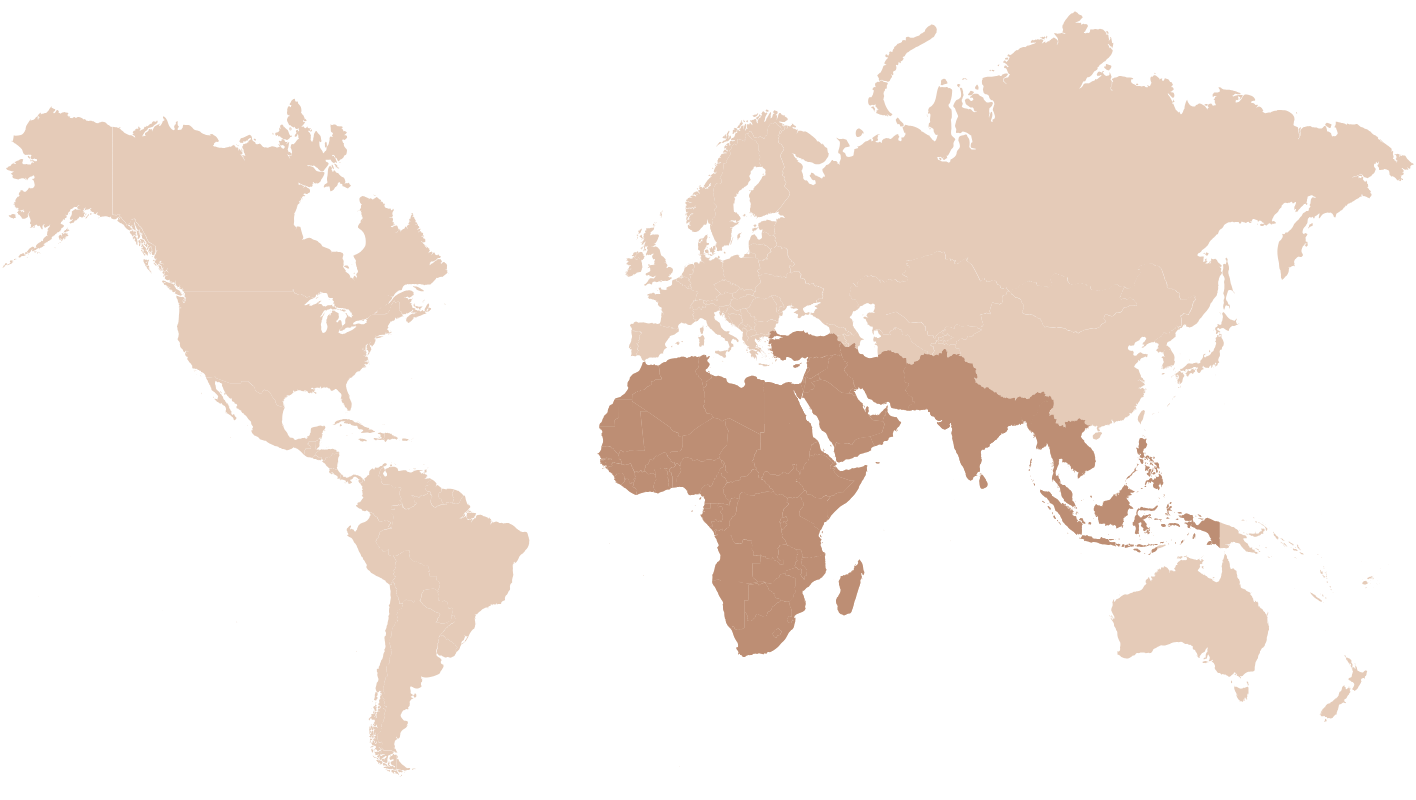
Indian Rosewood is native to the Indian subcontinent, including India, Pakistan, Nepal, Bhutan, Bangladesh and Afghanistan. It has also been introduced and is now cultivated in Africa, the Middle East and Southeast Asia.
HEIGHT
~ 25 m

CONSERVATION STATUS
Near Threatened on the
IUCN Red List
IUCN RED LIST
Established in 1964, The IUCN Red List is a critical indicator of the health of the world’s biodiversity. Species are classified by the IUCN Red List into nine groups, through criteria such as rate of decline, population size and area of geographic distribution as:
- Extinct (EX) – This species is no longer extant
- Extinct in the wild (EW) – Survives only in captivity, or through cultivation often outside native range
- Critically endangered (CR) – In an extremely critical state
- Endangered (EN) – Very high risk of extinction in the wild
- Vulnerable (VU) – At high risk of unnatural (human-caused) extinction
- Near Threatened (NT) – Close to being endangered in the near future
- Least Concern (LC) – Widespread and abundant in the wild
- Data Deficient (DD) – Inadequate information to assess extinction risk
- Not Evaluated (NE) – Has not yet been assessed
ORIGIN
Native
HEIGHT
~ 25 m
GEOGRAPHIC RANGE
Indian Rosewood is native to the Indian subcontinent, including India, Pakistan, Nepal, Bhutan, Bangladesh and Afghanistan. It has also been introduced and is now cultivated in Africa, the Middle East and Southeast Asia.
CONSERVATION STATUS
Near Threatened on the
IUCN Red List
BARK, FOLIAGE, FRUIT & FLOWER
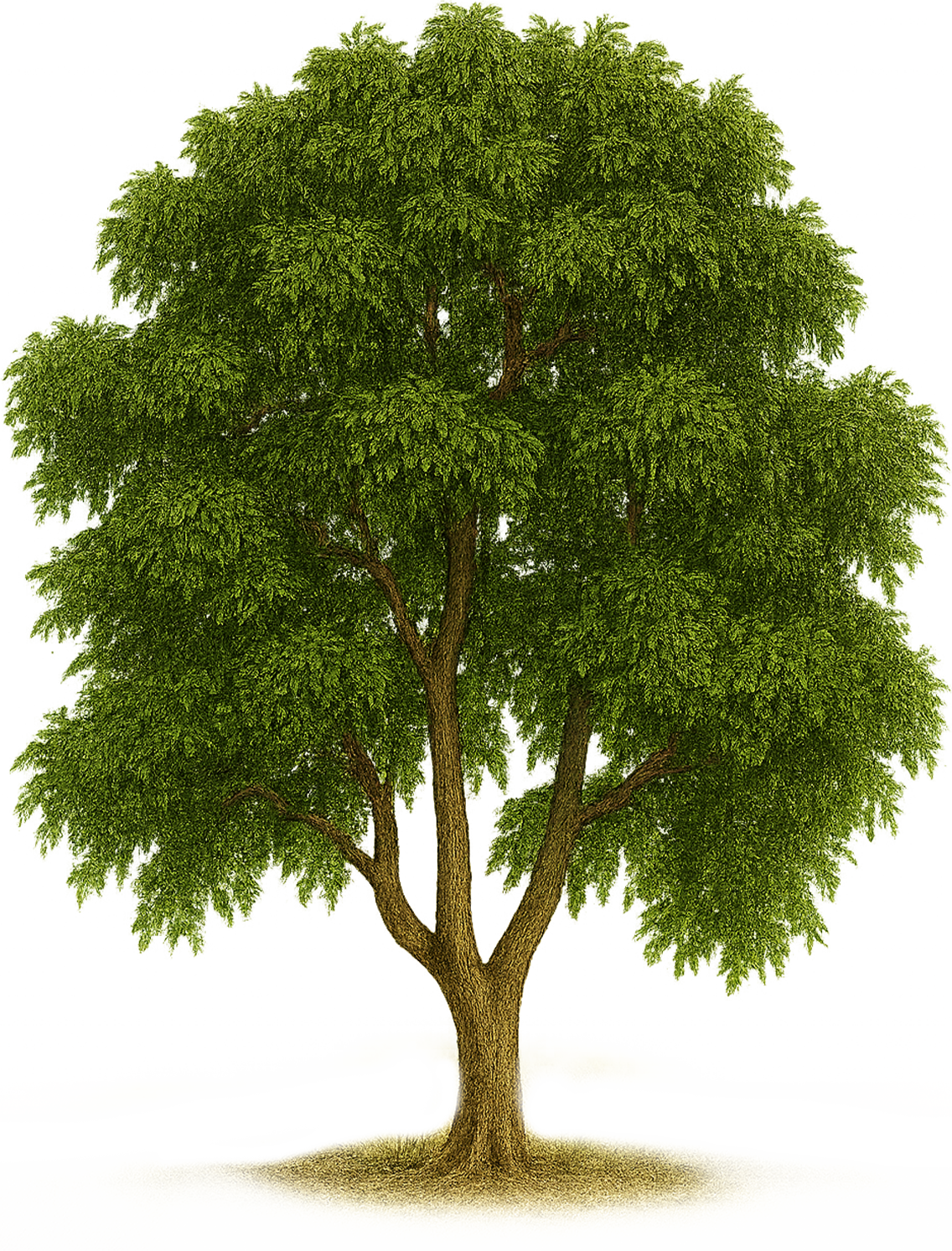
Bark: Thick, rough and exfoliating; used medicinally for skin and digestive ailments.
Leaves: Leaves are alternate and pinnate, meaning they are divided into 3 - 5 broad, oval leaflets arranged along a central stalk. They are used externally in medicine and as livestock fodder.
Flowers & Fruit: Small fragrant flowers bloom in spring; flat pods with several seeds form after flowering.
Leaves: Leaves are alternate and pinnate, meaning they are divided into 3 - 5 broad, oval leaflets arranged along a central stalk. They are used externally in medicine and as livestock fodder.
Flowers & Fruit: Small fragrant flowers bloom in spring; flat pods with several seeds form after flowering.

GENERAL DESCRIPTION
Indian Rosewood is a large deciduous tree growing about 20 - 30 meters tall, with a thick trunk that can reach up to 2 meters in diameter. The bark is rough, greyish-brown and peels off in narrow strips. In spring, the tree bears small, fragrant flowers that are white to pale pink and pea-shaped, growing in clusters from the leaf axils. Flat, thin pods develop after flowering, each containing several flat seeds. The tree is especially valued for its hard, richly grained timber, prized in furniture and craftsmanship for its strength, natural polish and termite resistance.
Read more
MEDICINAL USE
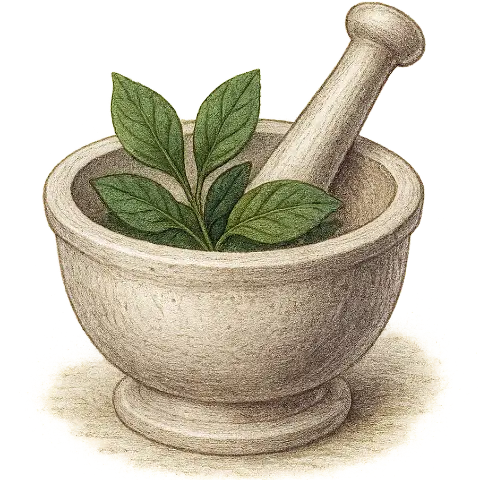
In Ayurvedic and Unani medicine, the bark, leaves and seeds are used for their anti-inflammatory, analgesic and antioxidant properties. Bark preparations are used to treat skin diseases, ulcers, dysentery, fever and rheumatism. Leaves are applied externally to reduce swelling and seed or wood extracts are sometimes used for pain relief and blood purification.
Read more
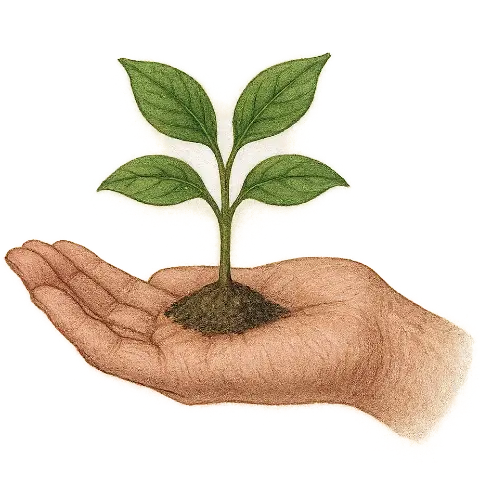
ECOLOGICAL IMPORTANCE
The tree helps improve soil health through nitrogen fixation, a natural process where soil fertility is enhanced. It is commonly planted along riverbanks and in agroforestry systems, where its roots help prevent erosion. Its flowers attract bees, supporting pollination and honey production, while its canopy provides shade and habitat for wildlife.
Read more
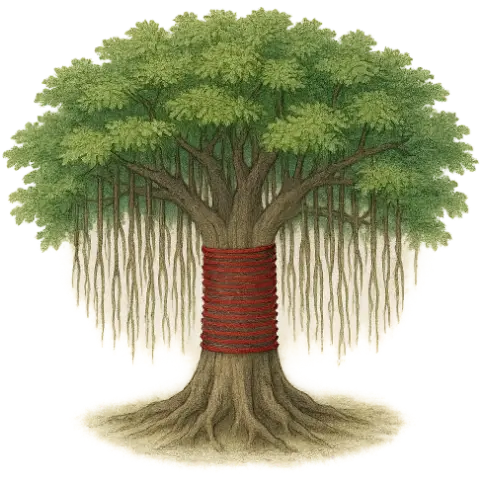
CULTURAL SIGNIFICANCE
Indian Rosewood symbolizes strength and endurance in many South Asian cultures, reflecting the toughness and longevity of its wood. It plays an important economic role through the timber trade and rural craftsmanship. Widely used in reforestation and agroforestry, the tree supports livelihoods while contributing to environmental stability.
Read more
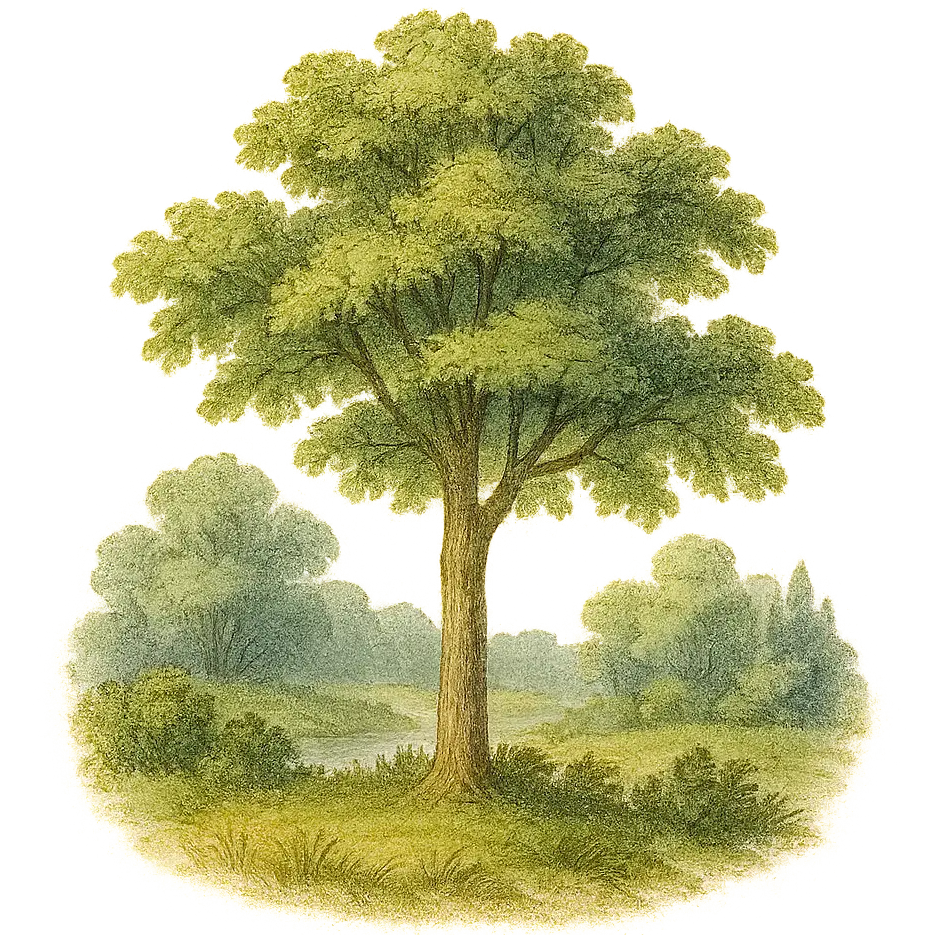
HABITAT
Indian Rosewood grows naturally along the banks of rivers and in the foothills of the Himalayas at elevations between 200 to 1500 m. The species thrives in tropical and subtropical climates and tolerates a wide range of soils, from alluvial plains to rocky hillsides.
Read more
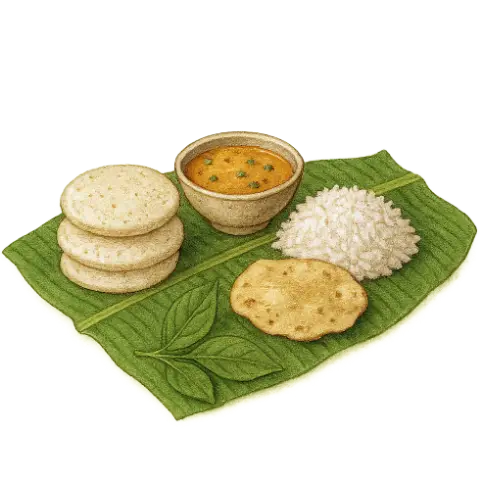
CULINARY USE
The tree has no direct culinary use for people. However, its leaves are commonly used as fodder for livestock and its flowers support honey production by attracting bees.
Read more

FOUND HERE
Podar School Pavement
Read more

DO YOU KNOW?
Indian Rosewood timber is considered one of the finest hardwoods in South Asia, renowned for its durability and natural sheen without heavy finishing.


EARTH CHALLENGE
What makes Indian Rosewood especially valuable for furniture making?