
Dillenia indica,
Dilleniaceae
Elephant Apple
AKA: Karambal
ORIGIN
Native
GEOGRAPHIC RANGE
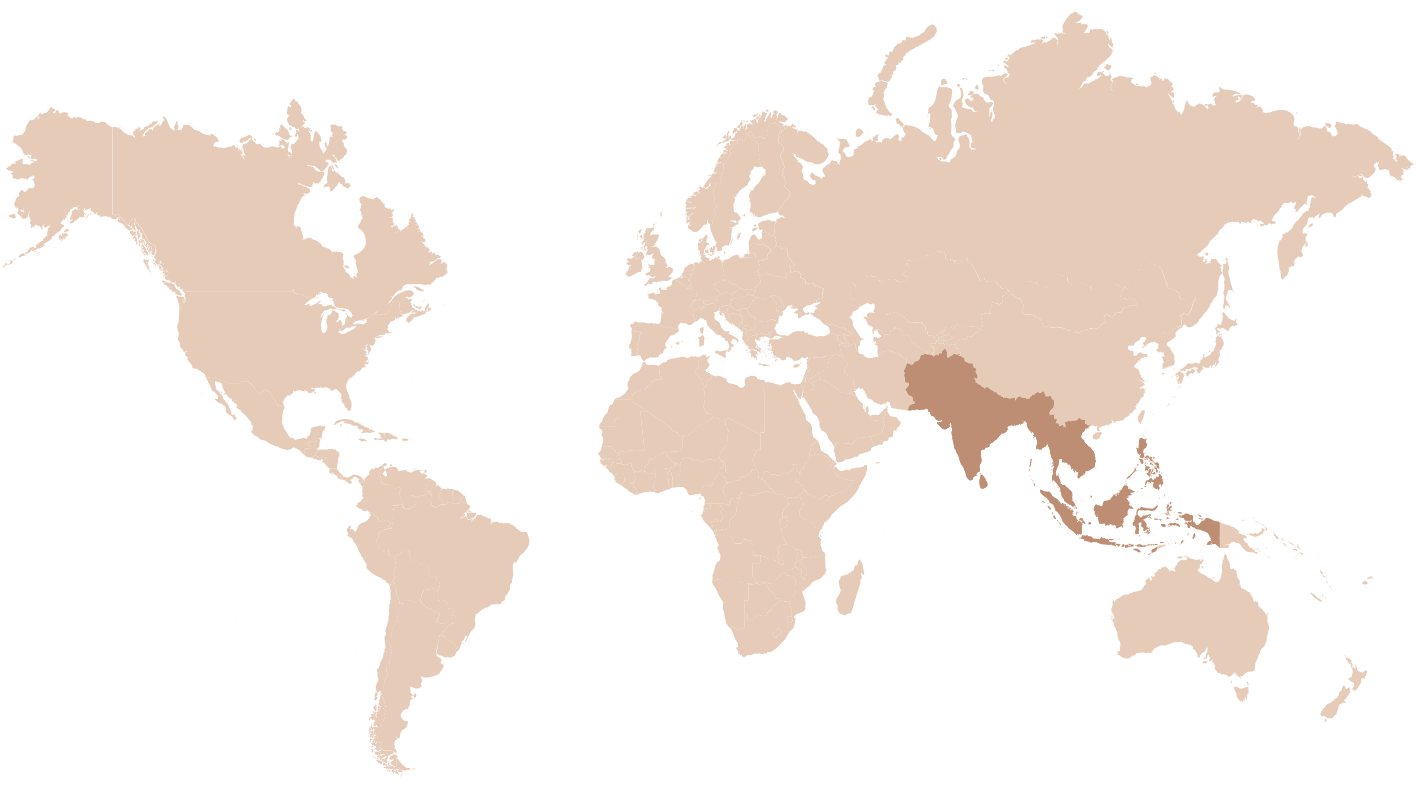
The Elephant Apple tree is native to tropical and subtropical regions of South and Southeast Asia, including east, north-east and southern India, Bangladesh, Nepal, Bhutan, Myanmar, Thailand and Vietnam.
HEIGHT
upto 15 m

CONSERVATION STATUS
Least Concern on the
IUCN Red List
IUCN RED LIST
Established in 1964, The IUCN Red List is a critical indicator of the health of the world’s biodiversity. Species are classified by the IUCN Red List into nine groups, through criteria such as rate of decline, population size and area of geographic distribution as:
- Extinct (EX) – This species is no longer extant
- Extinct in the wild (EW) – Survives only in captivity, or through cultivation often outside native range
- Critically endangered (CR) – In an extremely critical state
- Endangered (EN) – Very high risk of extinction in the wild
- Vulnerable (VU) – At high risk of unnatural (human-caused) extinction
- Near Threatened (NT) – Close to being endangered in the near future
- Least Concern (LC) – Widespread and abundant in the wild
- Data Deficient (DD) – Inadequate information to assess extinction risk
- Not Evaluated (NE) – Has not yet been assessed
ORIGIN
Native
HEIGHT
upto 15 m

GEOGRAPHIC RANGE
The Elephant Apple tree is native to tropical and subtropical regions of South and Southeast Asia, including east, north-east and southern India, Bangladesh, Nepal, Bhutan, Myanmar, Thailand and Vietnam.
CONSERVATION STATUS
Least Concern on the
IUCN Red List
BARK, FOLIAGE, FRUIT & FLOWER
Bark: Used in traditional medicine for inflammatory conditions and skin ailments.
Leaves: Large and leathery; used medicinally and help conserve moisture around the tree.
Flowers & Fruit: Large, fragrant white flowers bloom seasonally; segmented acidic fruits ripen and split open, aiding animal-led seed dispersal.
Leaves: Large and leathery; used medicinally and help conserve moisture around the tree.
Flowers & Fruit: Large, fragrant white flowers bloom seasonally; segmented acidic fruits ripen and split open, aiding animal-led seed dispersal.

GENERAL DESCRIPTION
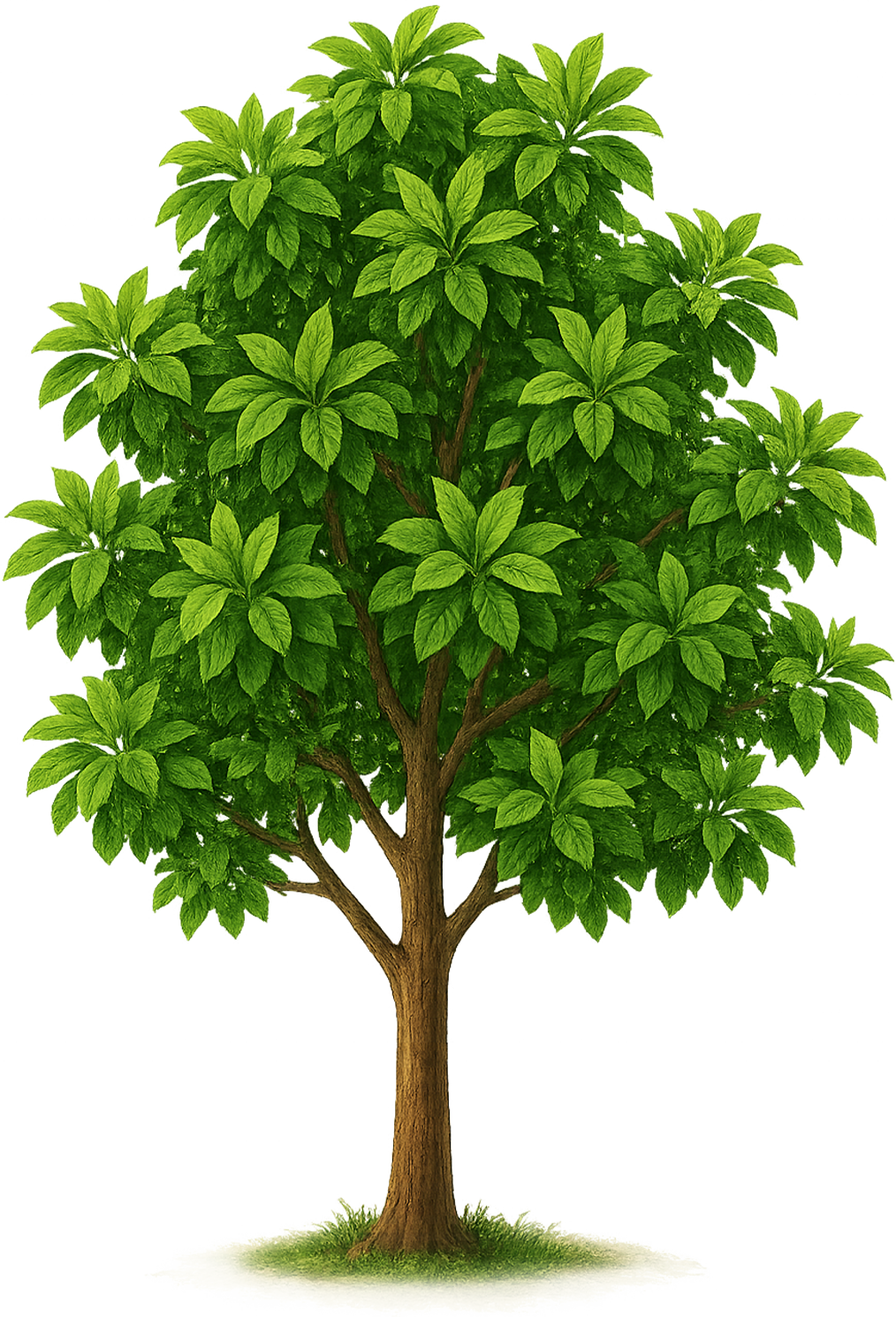
Elephant Apple is a medium to large evergreen tree growing about 10 - 15 meters tall, with a dense, rounded crown. The leaves are large, leathery and glossy, with prominent veins that give the tree a bold appearance. It produces very large, white, fragrant flowers measuring up to 15 - 20 cm across, with striking yellow stamens, making the tree highly ornamental when in bloom. The fruits are large, green and deeply segmented, resembling a floral form. The pulp is fleshy and strongly acidic, becoming aromatic as it ripens. Because the fresh fruit is extremely hard, it is often left to soften naturally before use.
Read more
MEDICINAL USE
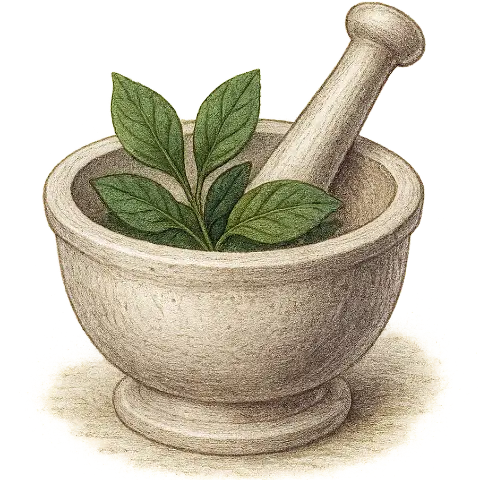
In traditional medicine, the Elephant Apple fruit pulp is used to treat digestive problems like constipation and stomach discomfort. Leaves and bark are valued for their anti-inflammatory, analgesic and antimicrobial properties. Decoctions are used for cough, cold, fever, joint pain, swelling and skin infections. Fruit juice is also used in some practices to help regulate blood pressure and support liver health.
Read more
ECOLOGICAL IMPORTANCE
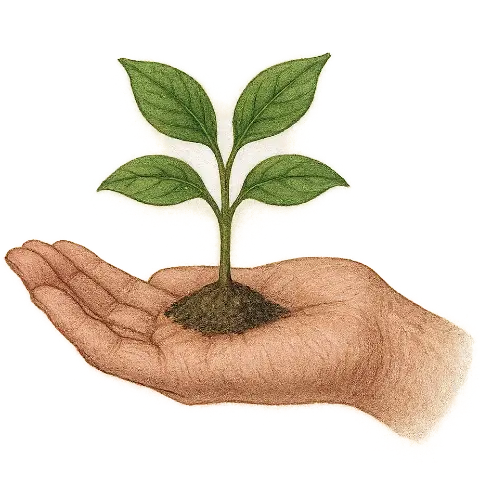
The Elephant Apple tree provides important food for wildlife such as elephants, monkeys and fruit-eating birds. Animal-assisted seed dispersal helps forest regeneration. Its dense canopy offers shade and the tree helps maintain soil moisture, supporting biodiversity in humid forests and wetland ecosystems.
Read more
CULTURAL SIGNIFICANCE
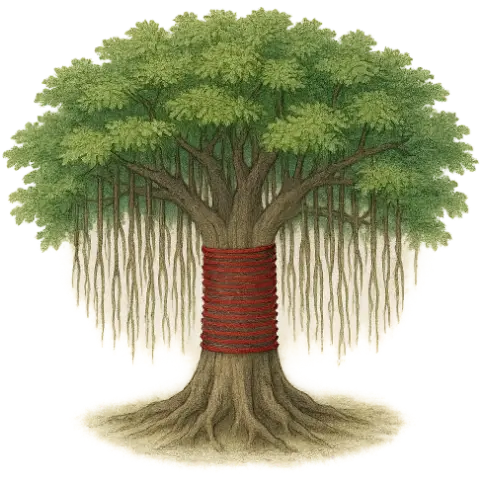
The Elephant Apple tree is considered auspicious in some regions and is planted near homes for good fortune. It holds a strong place in the culinary traditions of eastern and northeastern India and is commonly used as a shade tree in rural and community spaces.
Read more
HABITAT
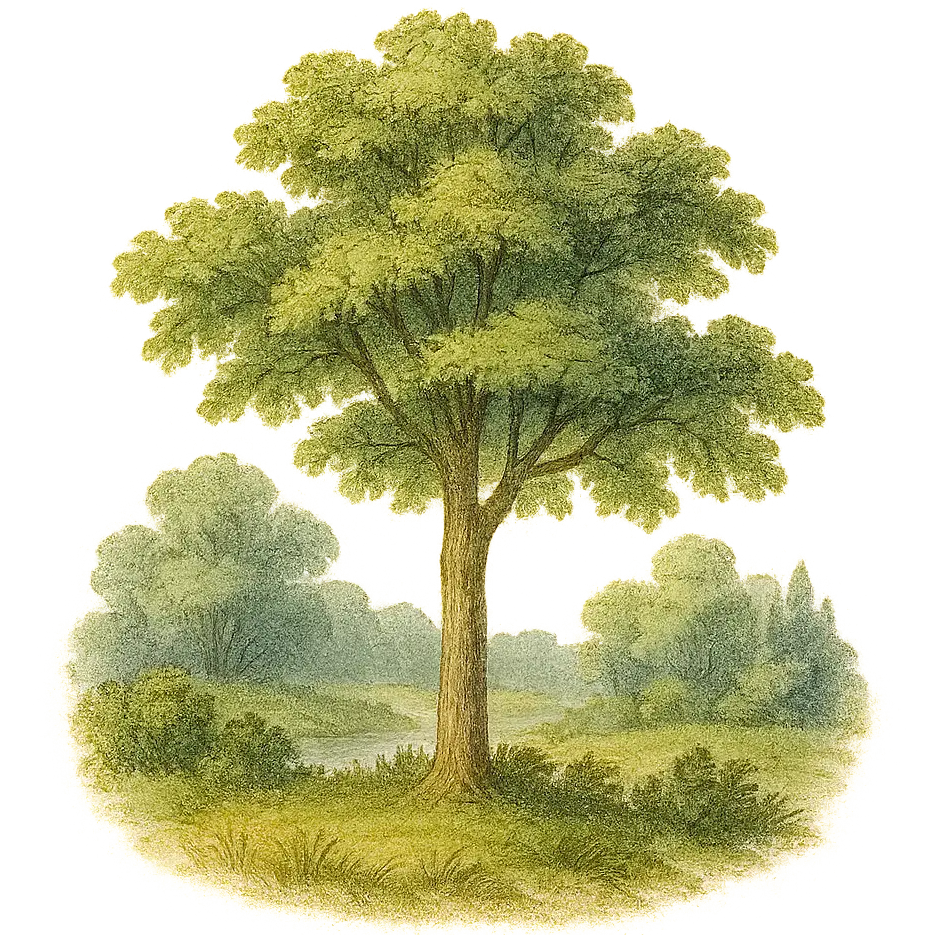
This tree prefers moist deciduous forests, riverine habitats and humid lowlands and is often planted in village landscapes for shade and fruit.
Read more
CULINARY USE
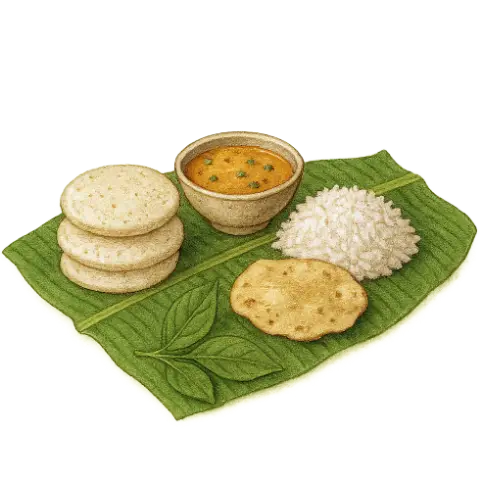
Elephant Apple is widely used in curries, chutneys, pickles, jams and beverages. In northeastern Indian cuisines such as Assamese, Manipuri and Tripuri, it is commonly used as a souring agent. The tangy pulp is added to fish and meat dishes and used to prepare refreshing drinks.
Read more

FOUND HERE
Near Waldorf Shopping
Read more

DO YOU KNOW?
Elephants are known to eat the fruits, which is how the Elephant Apple got its name. When ripe fruits fall and break open, animals help disperse the seeds naturally.


EARTH CHALLENGE
Why is Elephant Apple important for forest regeneration?