
Erythrina indica,
Fabaceae
Indian Coral Tree
AKA: Pangara
ORIGIN
Native
GEOGRAPHIC RANGE
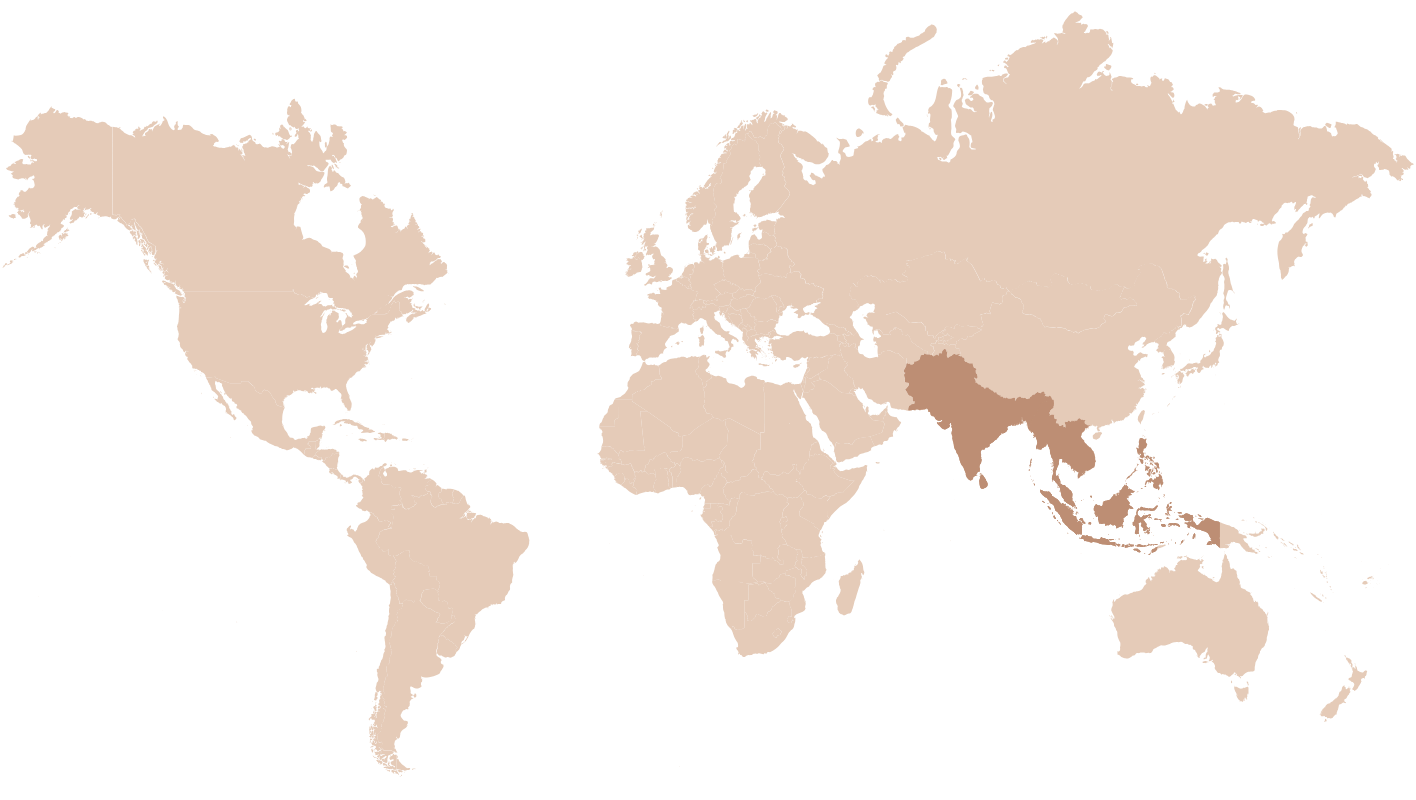
The Indian Coral Tree is native to the Indian subcontinent and Southeast Asia. It grows naturally in India, Sri Lanka, Myanmar, Thailand, Malaysia and Indonesia.
HEIGHT
7 - 12 m

CONSERVATION STATUS
Least Concern on the
IUCN Red List
IUCN RED LIST
Established in 1964, The IUCN Red List is a critical indicator of the health of the world’s biodiversity. Species are classified by the IUCN Red List into nine groups, through criteria such as rate of decline, population size and area of geographic distribution as:
- Extinct (EX) – This species is no longer extant
- Extinct in the wild (EW) – Survives only in captivity, or through cultivation often outside native range
- Critically endangered (CR) – In an extremely critical state
- Endangered (EN) – Very high risk of extinction in the wild
- Vulnerable (VU) – At high risk of unnatural (human-caused) extinction
- Near Threatened (NT) – Close to being endangered in the near future
- Least Concern (LC) – Widespread and abundant in the wild
- Data Deficient (DD) – Inadequate information to assess extinction risk
- Not Evaluated (NE) – Has not yet been assessed
ORIGIN
Native
HEIGHT
7 - 12 m
GEOGRAPHIC RANGE
The Indian Coral Tree is native to the Indian subcontinent and Southeast Asia. It grows naturally in India, Sri Lanka, Myanmar, Thailand, Malaysia and Indonesia.
CONSERVATION STATUS
Least Concern on the
IUCN Red List
BARK, FOLIAGE, FRUIT & FLOWER
Bark: Thick and medicinally important, used for pain relief, fever and inflammation.
Leaves: Large and trifoliate, meaning each leaf has three broad leaflets; used in traditional remedies and as fodder in some regions.
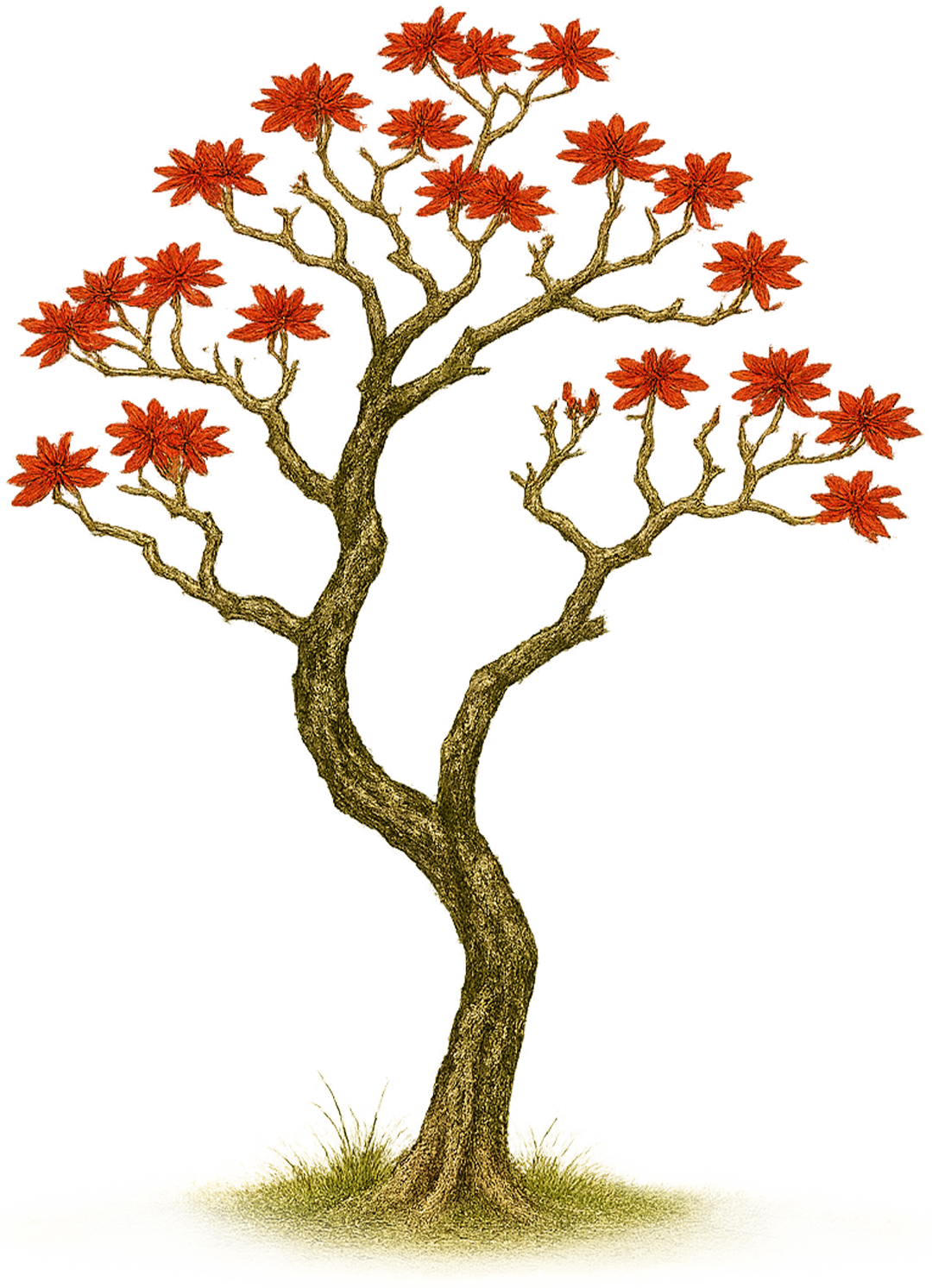
Flowers & Fruit: Scarlet to orange-red flowers bloom before leafing and attract pollinators; long pods form later, containing hard red seeds.
Leaves: Large and trifoliate, meaning each leaf has three broad leaflets; used in traditional remedies and as fodder in some regions.
Flowers & Fruit: Scarlet to orange-red flowers bloom before leafing and attract pollinators; long pods form later, containing hard red seeds.

GENERAL DESCRIPTION
Indian Coral Tree is a medium to large deciduous tree growing about 10 - 15 meters tall, with a spreading crown and stout branches often armed with thorns. It is best known for its brilliant scarlet to orange-red flowers that appear in dense clusters before the leaves emerge, giving the tree a vivid coral-like appearance during the flowering season. After flowering, the tree develops long, slender pods containing hard, bright red seeds. The wood is lightweight and has traditionally been used for making canoes, floats and musical instruments and the tree is often planted as a living fence or shade tree.
Read more
MEDICINAL USE
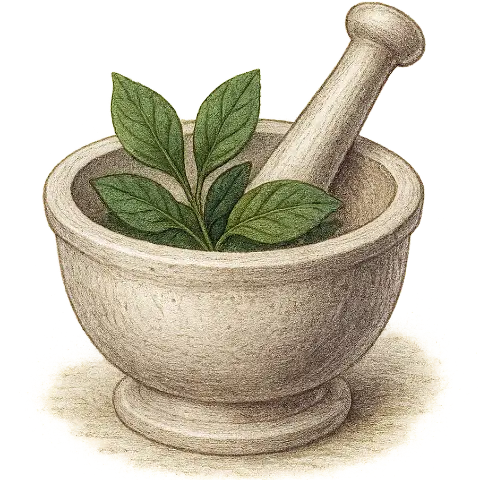
In Ayurvedic and folk medicine, the Indian Coral tree bark is valued for its analgesic, anti-inflammatory and sedative properties and is used to treat joint pain, rheumatism and fever. Leaves are applied externally for swelling, boils and skin infections. Flowers are used in remedies for menstrual issues and constipation. Seeds are used externally in certain treatments but must be handled carefully due to their toxic nature.
Read more
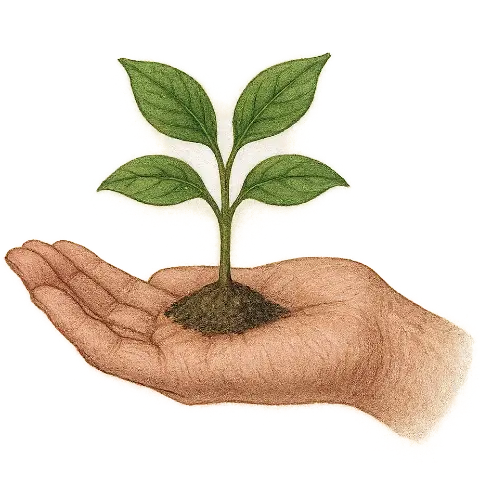
ECOLOGICAL IMPORTANCE
The Indian Coral tree's vibrant flowers attract sunbirds, bees and other pollinators, making it an important nectar source during its blooming season. As a nitrogen-fixing tree, it improves soil fertility naturally and supports sustainable agroforestry systems. It is widely used as a shade tree in plantations of coffee, cocoa, tea, pepper and betel nut, contributing to farm biodiversity.
Read more
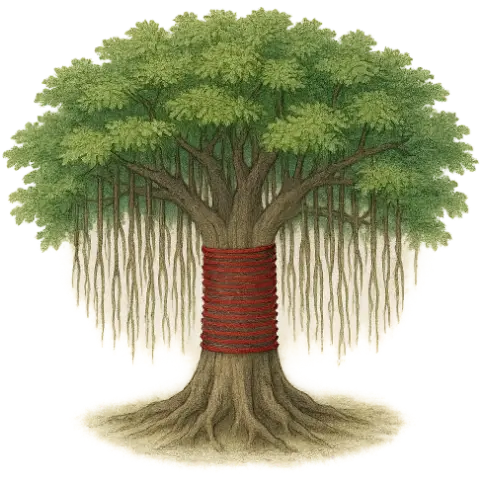
CULTURAL SIGNIFICANCE
In India, the Indian Coral Tree is associated with ritual importance and is often planted near temples and sacred spaces. Its bright seasonal flowering makes it a popular ornamental and avenue tree. The species holds a place in traditional ecological knowledge across rural and coastal communities.
Read more
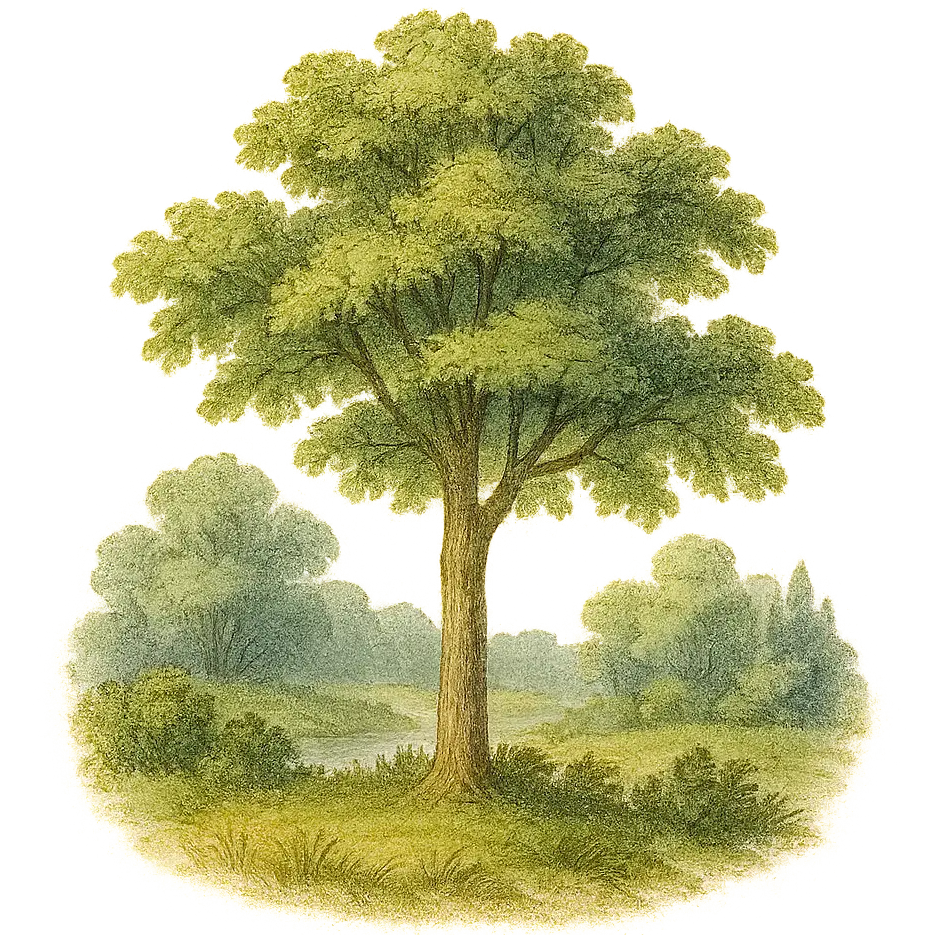
HABITAT
This tree thrives in tropical and subtropical climates, especially in coastal regions, riverbanks and open forests.
Read more
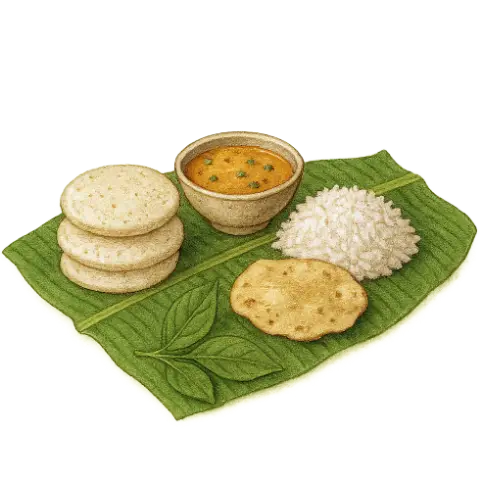
CULINARY USE
In some Southeast Asian regions, young leaves and flowers of the Indian Coral Tree are cooked and eaten as vegetables. In certain tribal communities, the leaves are also used as fodder, though the tree is not a major food source for people.
Read more

FOUND HERE
Kavesar Garden
Read more

DO YOU KNOW?
The hard, bright red seeds of the Indian Coral Tree are commonly used as prayer beads ornaments and lucky charms because of their striking colour and durability.


EARTH CHALLENGE
Why is Indian Coral Tree commonly planted in plantations?