
Ficus amplissima,
Moraceae
Indian Bat Tree
AKA: Pimpli
ORIGIN
Native
GEOGRAPHIC RANGE
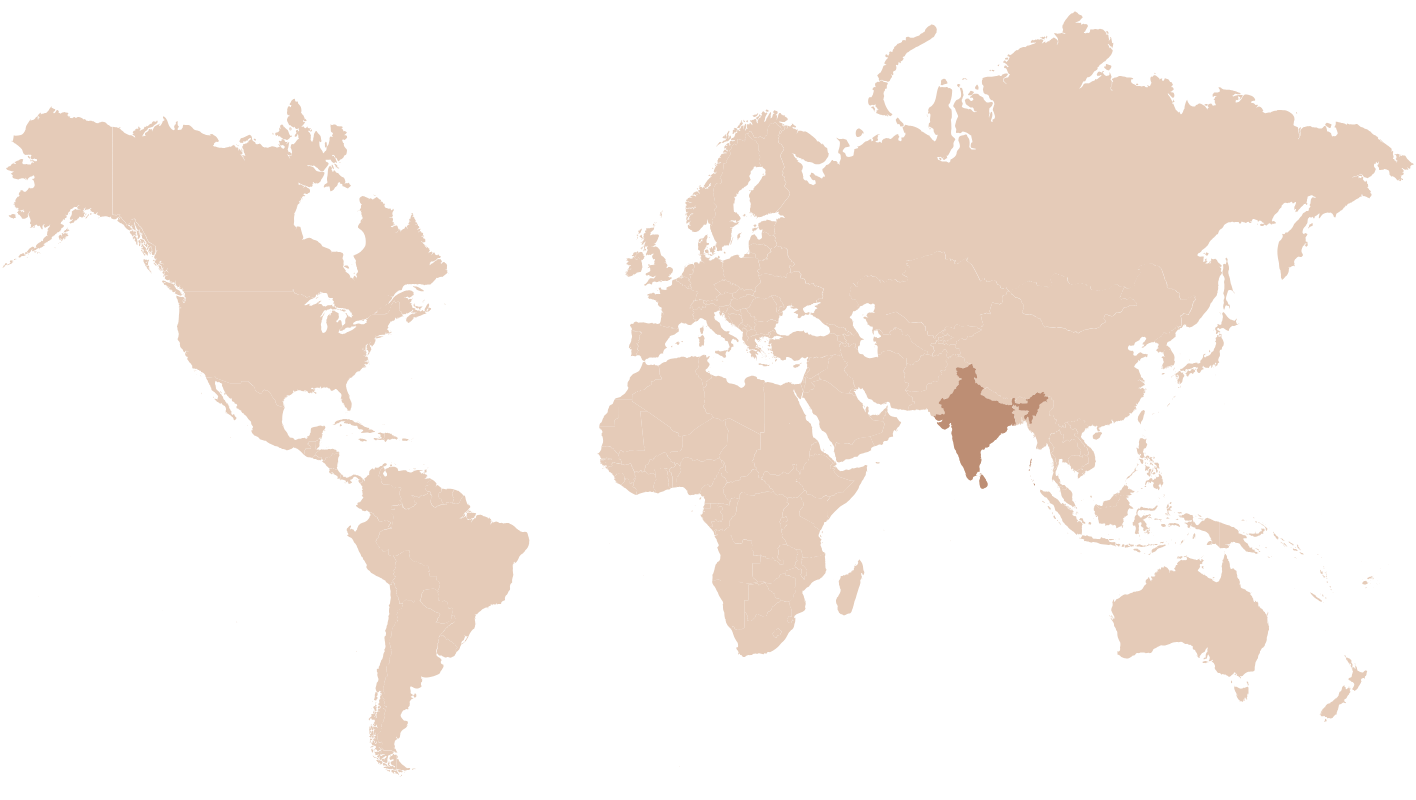
The Indian Bat Tree is native to the Indian subcontinent, particularly India and Sri Lanka.
HEIGHT
15 - 30 m

CONSERVATION STATUS
Least Concern on the
IUCN Red List
IUCN RED LIST
Established in 1964, The IUCN Red List is a critical indicator of the health of the world’s biodiversity. Species are classified by the IUCN Red List into nine groups, through criteria such as rate of decline, population size and area of geographic distribution as:
- Extinct (EX) – This species is no longer extant
- Extinct in the wild (EW) – Survives only in captivity, or through cultivation often outside native range
- Critically endangered (CR) – In an extremely critical state
- Endangered (EN) – Very high risk of extinction in the wild
- Vulnerable (VU) – At high risk of unnatural (human-caused) extinction
- Near Threatened (NT) – Close to being endangered in the near future
- Least Concern (LC) – Widespread and abundant in the wild
- Data Deficient (DD) – Inadequate information to assess extinction risk
- Not Evaluated (NE) – Has not yet been assessed
ORIGIN
Native
HEIGHT
15 - 30 m
GEOGRAPHIC RANGE
The Indian Bat Tree is native to the Indian subcontinent, particularly India and Sri Lanka.
CONSERVATION STATUS
Least Concern on the
IUCN Red List
BARK, FOLIAGE, FRUIT & FLOWER
Bark: Smooth and pale grey; used medicinally for digestive and wound-related treatments.
Leaves: Large and glossy; used in traditional remedies and help create dense shade.
Flowers & Fruit: Tiny flowers enclosed within figs; paired figs ripen from green to reddish or purple and feed many animals.
Leaves: Large and glossy; used in traditional remedies and help create dense shade.
Flowers & Fruit: Tiny flowers enclosed within figs; paired figs ripen from green to reddish or purple and feed many animals.

GENERAL DESCRIPTION
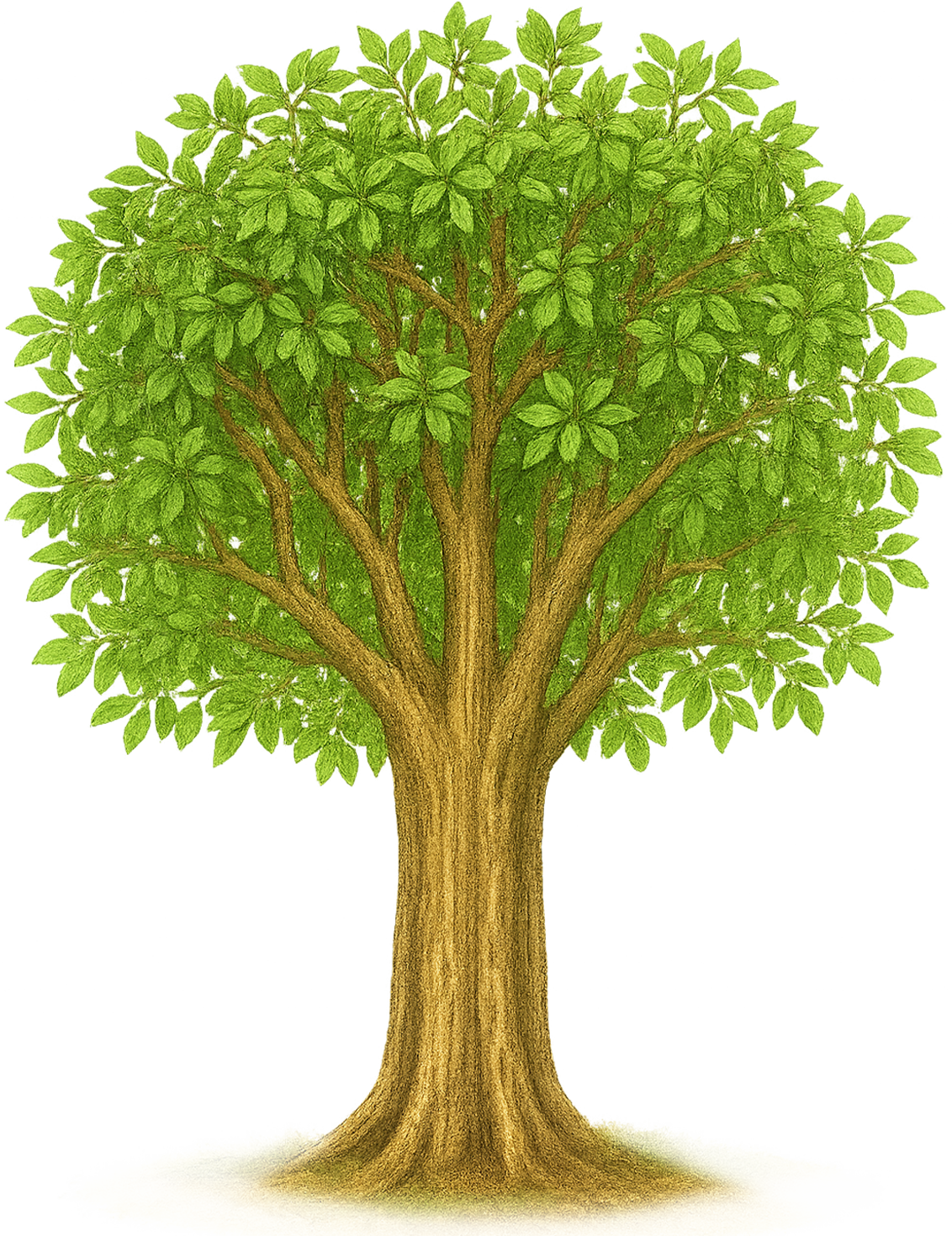
Indian Bat Tree is a medium to large deciduous fig tree growing about 10 - 20 meters tall, with a broad, spreading crown and long, drooping branchlets. The bark is smooth and pale grey, while the leaves are large, oval to lance-shaped, with a glossy green upper surface and a paler underside. Small figs grow in pairs from the leaf axils and change from green to reddish or purple as they ripen. Mature trees often develop aerial and prop roots that support heavy horizontal branches, giving them a banyan-like appearance and great structural strength.
Read more
MEDICINAL USE
In traditional medicine, leaf extracts are used for skin ailments, ulcers and inflammation. The bark, valued for its astringent properties, is used to manage diarrhea, dysentery and wound healing. Latex is applied externally for joint pain and swelling and ripe fruits are sometimes used to ease digestive discomfort.
Read more
ECOLOGICAL IMPORTANCE
The tree supports a wide range of wildlife, including birds, bats, bees, insects and fig wasps that are essential for pollination. Its figs are a dependable food source for fruit-eating animals, making it vital for ecosystem stability. The dense canopy provides shade and improves local microclimates, while its strong root system helps prevent soil erosion. Its drought tolerance makes it suitable for avenue and roadside planting.
Read more
CULTURAL SIGNIFICANCE
The tree is considered sacred in certain Indian traditions and is often planted near temples and community spaces. It is valued for providing deep shade, supporting biodiversity and maintaining ecological balance in rural and semi-urban landscapes.
Read more
HABITAT
Commonly found in tropical and subtropical regions, dry deciduous forests and hilly terrains; this tree adapts well to varied soil conditions but prefers well-drained loamy soils and full sunlight.
Read more

CULINARY USE
The figs are not widely eaten due to their mild taste, though they are occasionally consumed locally when ripe. Young leaves may be used in some indigenous preparations.
Read more

FOUND HERE
Villa Royal
Read more

DO YOU KNOW?
Indian Bat Tree is considered a keystone species because its figs provide food to wildlife almost throughout the year, especially birds and bats.

EARTH CHALLENGE
Why is the Indian Bat Tree considered ecologically important?