
Ficus religiosa,
Moraceae
Peepal
AKA: Sacred Fig
ORIGIN
Native
GEOGRAPHIC RANGE
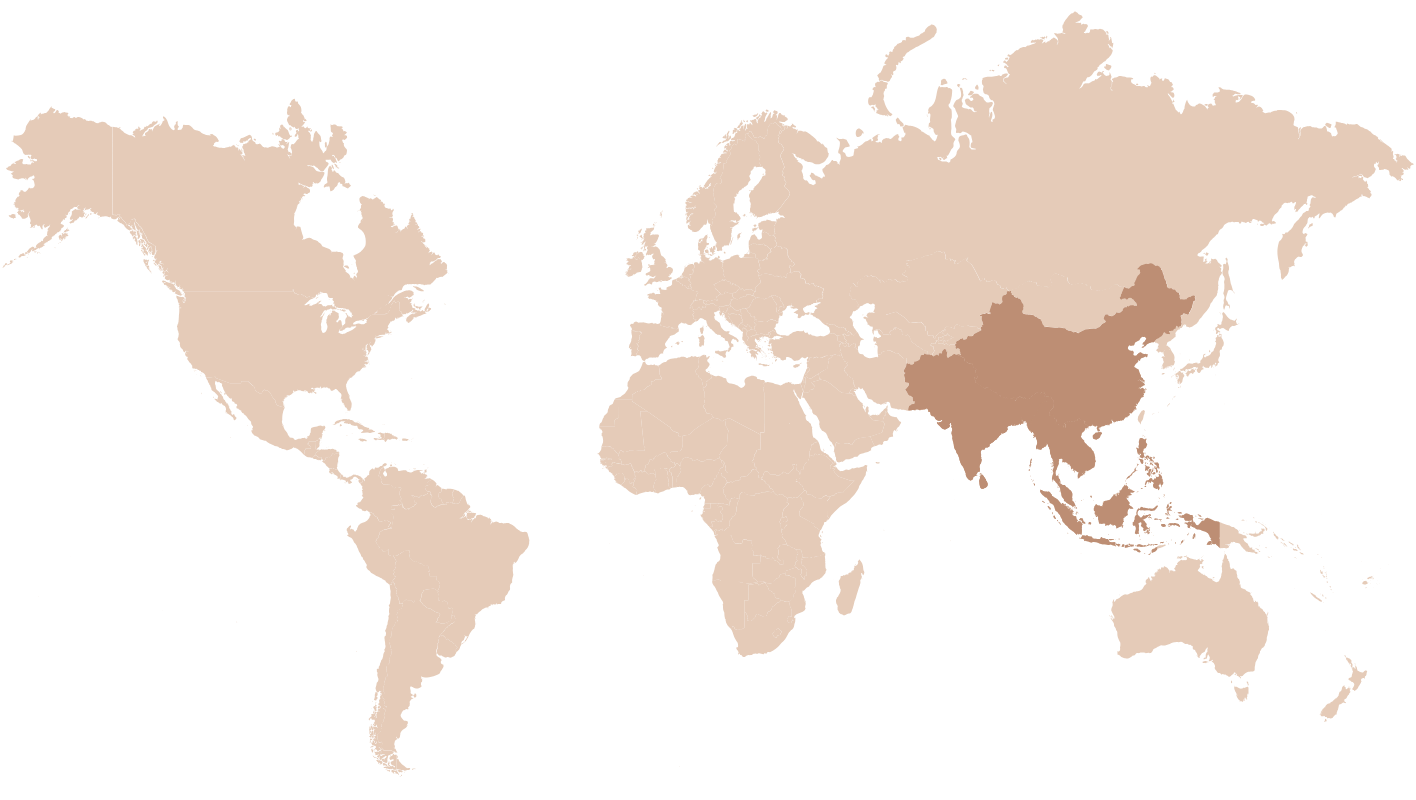
Native to the Indian subcontinent, the Peepal or Sacred Fig grows abundantly in India, Nepal, Sri Lanka, Bangladesh and Myanmar and has been introduced to Southeast Asia, China and other tropical regions worldwide.
HEIGHT
15 - 30 m

CONSERVATION STATUS
Least Concern on the
IUCN Red List
IUCN RED LIST
Established in 1964, The IUCN Red List is a critical indicator of the health of the world’s biodiversity. Species are classified by the IUCN Red List into nine groups, through criteria such as rate of decline, population size and area of geographic distribution as:
- Extinct (EX) – This species is no longer extant
- Extinct in the wild (EW) – Survives only in captivity, or through cultivation often outside native range
- Critically endangered (CR) – In an extremely critical state
- Endangered (EN) – Very high risk of extinction in the wild
- Vulnerable (VU) – At high risk of unnatural (human-caused) extinction
- Near Threatened (NT) – Close to being endangered in the near future
- Least Concern (LC) – Widespread and abundant in the wild
- Data Deficient (DD) – Inadequate information to assess extinction risk
- Not Evaluated (NE) – Has not yet been assessed
ORIGIN
Native
HEIGHT
15 - 30 m

GEOGRAPHIC RANGE
Native to the Indian subcontinent, the Peepal or Sacred Fig grows abundantly in India, Nepal, Sri Lanka, Bangladesh and Myanmar and has been introduced to Southeast Asia, China and other tropical regions worldwide.
CONSERVATION STATUS
Least Concern on the
IUCN Red List
BARK, FOLIAGE, FRUIT & FLOWER
Bark: Smooth to fissured; used in decoctions for metabolic and inflammatory conditions.
Leaves: Heart-shaped with long tapering tips; used medicinally and known for constant movement.
Flowers & Fruit: Tiny flowers enclosed within figs; figs ripen from green to purple and provide food for wildlife.
Leaves: Heart-shaped with long tapering tips; used medicinally and known for constant movement.
Flowers & Fruit: Tiny flowers enclosed within figs; figs ripen from green to purple and provide food for wildlife.

GENERAL DESCRIPTION
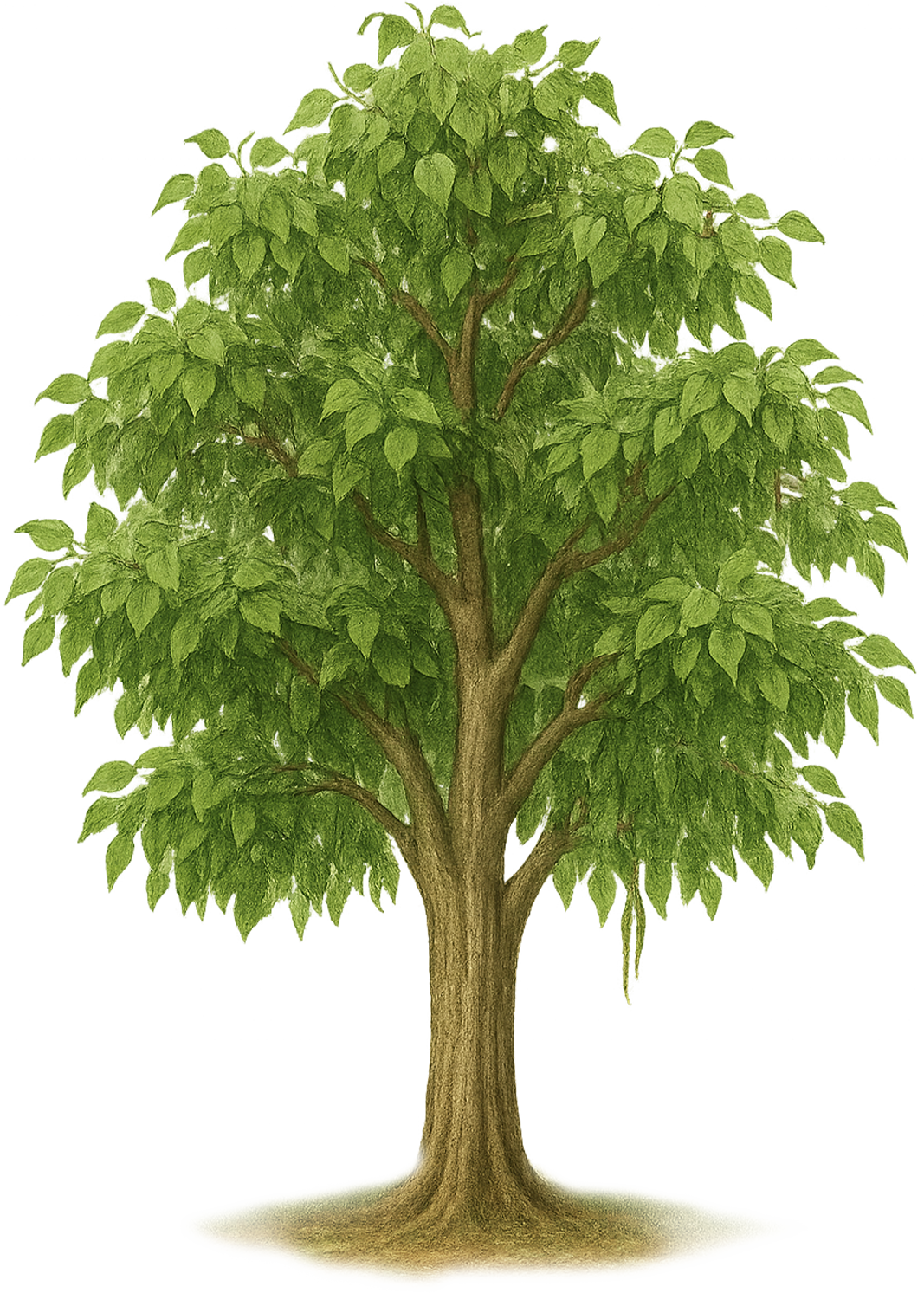
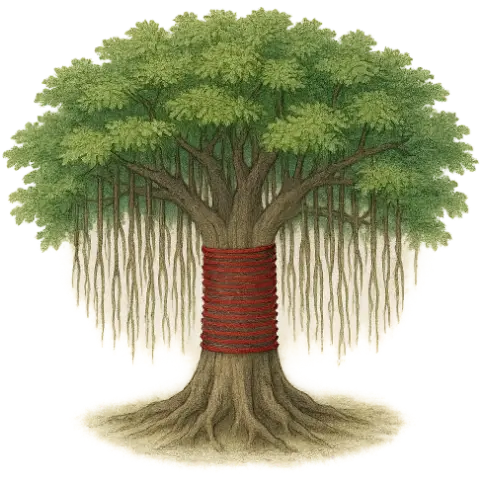
Peepal is a large, long-lived deciduous fig tree that grows about 20 - 30 meters tall, with a massive trunk and a wide, spreading crown. It is easily recognized by its heart-shaped leaves with long, tapering tips that flutter constantly, even in light air movement. The bark is smooth and greyish-brown, becoming fissured with age. Small, round figs develop on the tree, turning from green to purple when ripe. These fruits are an important food source for birds. The tree is admired not only for its size and form but also for its deep spiritual, ecological and medicinal importance.
Read more
MEDICINAL USE
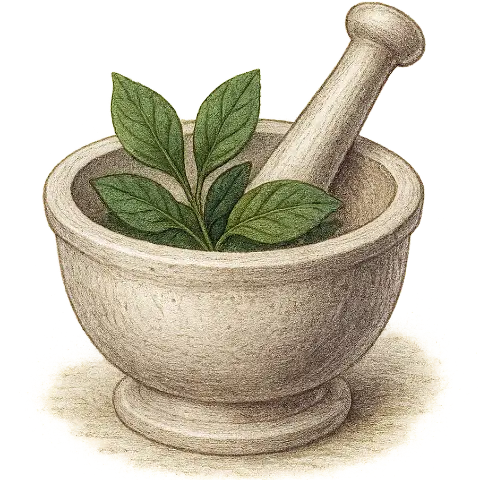
In Ayurveda, Unani and folk medicine, the bark is used to treat diabetes, asthma, ulcers and inflammation. Leaf extracts are applied for wound healing, constipation and skin disorders. The fruits have mild laxative and cooling properties. The milky latex is used externally for boils and skin infections. Modern studies support its antioxidant, anti-inflammatory and antimicrobial effects.
Read more
ECOLOGICAL IMPORTANCE
Peepal is a keystone species that supports a wide range of birds, bats, insects and other organisms. Its dense canopy provides shade and improves local microclimates. The figs offer food to wildlife, while the tree's large root system helps stabilize soil. It is also known for releasing oxygen even at night, making it a preferred tree for roadside and temple plantations.
Read more
CULTURAL SIGNIFICANCE
Peepal is sacred in Hinduism, Buddhism and Jainism. It is associated with Lord Vishnu in Hindu tradition and revered as the Bodhi Tree in Buddhism, under which Gautama Buddha attained enlightenment. Planted near temples and monasteries, it symbolizes wisdom, longevity, enlightenment and the balance between nature and spirituality.
Read more

HABITAT
Peepal grows well in tropical and subtropical climates, preferring well-drained alluvial soils but tolerating a wide range of conditions, including urban environments up to 1,500 m elevation. It is often planted along roadsides, near temples and in village centers.
Read more

CULINARY USE
The ripe figs are edible but not commonly eaten in large quantities and are more often used as fodder. Tender leaves are sometimes cooked or used in traditional herbal infusions.
Read more

FOUND HERE
Kavesar Garden
Read more

DO YOU KNOW?
The Peepal tree can live for several centuries and some trees in India are believed to be over 2,000 years old.


EARTH CHALLENGE
What is the Peepal tree known for?