
Gmelina arborea,
Lamiaceae
White Teak
AKA: Shivan, Gamhar
ORIGIN
Native
GEOGRAPHIC RANGE
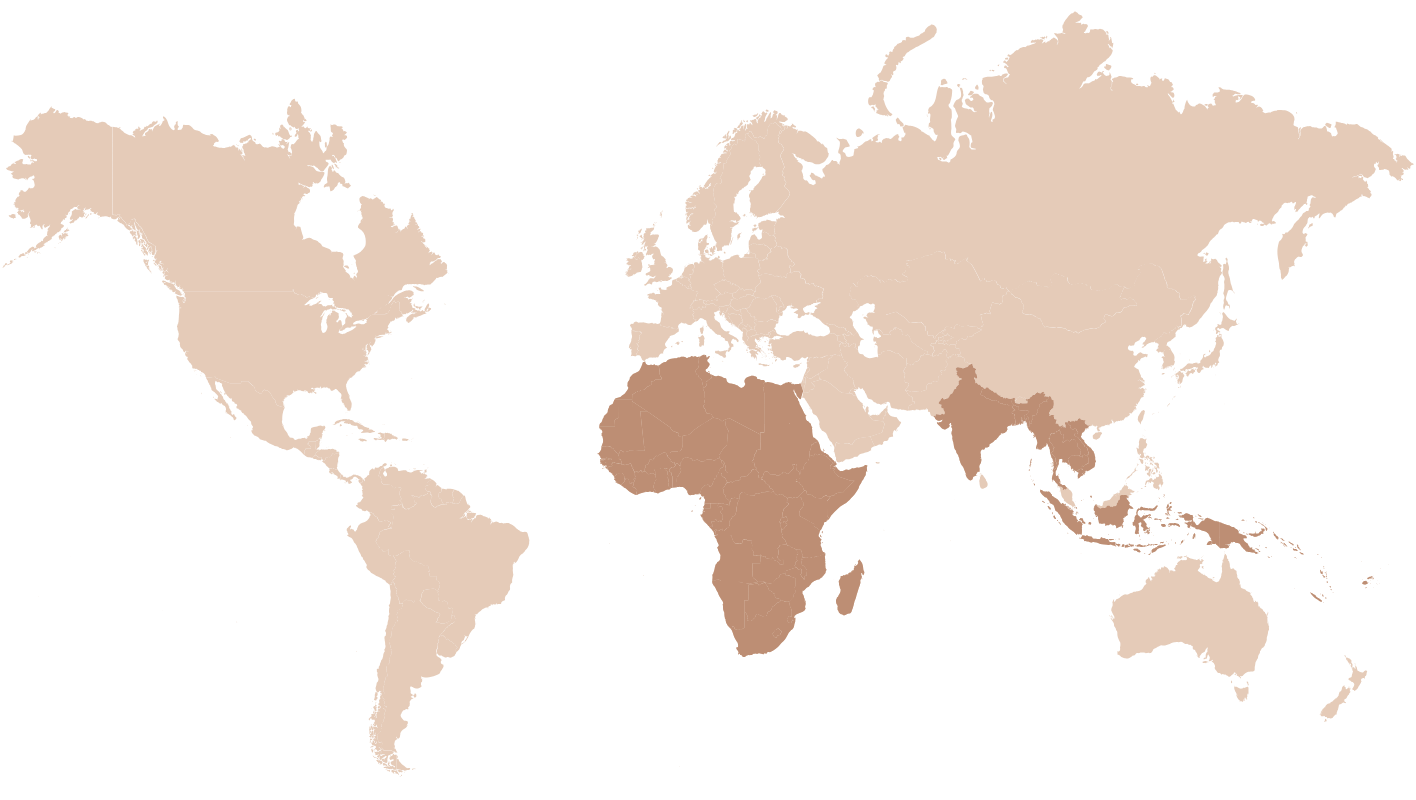
White Teak is native to South and Southeast Asia, particularly India, Nepal, Bangladesh, Myanmar, Thailand, Laos, Cambodia and Vietnam. The species has been introduced in Africa, the Philippines, Indonesia and the Pacific islands for timber production and afforestation projects.
HEIGHT
~ 30 m

CONSERVATION STATUS
Least Concern on the
IUCN Red List
IUCN RED LIST
Established in 1964, The IUCN Red List is a critical indicator of the health of the world’s biodiversity. Species are classified by the IUCN Red List into nine groups, through criteria such as rate of decline, population size and area of geographic distribution as:
- Extinct (EX) – This species is no longer extant
- Extinct in the wild (EW) – Survives only in captivity, or through cultivation often outside native range
- Critically endangered (CR) – In an extremely critical state
- Endangered (EN) – Very high risk of extinction in the wild
- Vulnerable (VU) – At high risk of unnatural (human-caused) extinction
- Near Threatened (NT) – Close to being endangered in the near future
- Least Concern (LC) – Widespread and abundant in the wild
- Data Deficient (DD) – Inadequate information to assess extinction risk
- Not Evaluated (NE) – Has not yet been assessed
ORIGIN
Native
HEIGHT
~ 30 m

GEOGRAPHIC RANGE
White Teak is native to South and Southeast Asia, particularly India, Nepal, Bangladesh, Myanmar, Thailand, Laos, Cambodia and Vietnam. The species has been introduced in Africa, the Philippines, Indonesia and the Pacific islands for timber production and afforestation projects.
CONSERVATION STATUS
Least Concern on the
IUCN Red List
BARK, FOLIAGE, FRUIT & FLOWER
Bark: Greyish-white and scaly; used in traditional medicine and valued for timber identification.
Leaves: Large, heart-shaped and hairy beneath; used medicinally and contribute to soil enrichment.
Flowers & Fruit: Yellow, insect-attracting flowers bloom in clusters; oval fruits ripen yellow and contain one or two seeds.
Leaves: Large, heart-shaped and hairy beneath; used medicinally and contribute to soil enrichment.
Flowers & Fruit: Yellow, insect-attracting flowers bloom in clusters; oval fruits ripen yellow and contain one or two seeds.

GENERAL DESCRIPTION
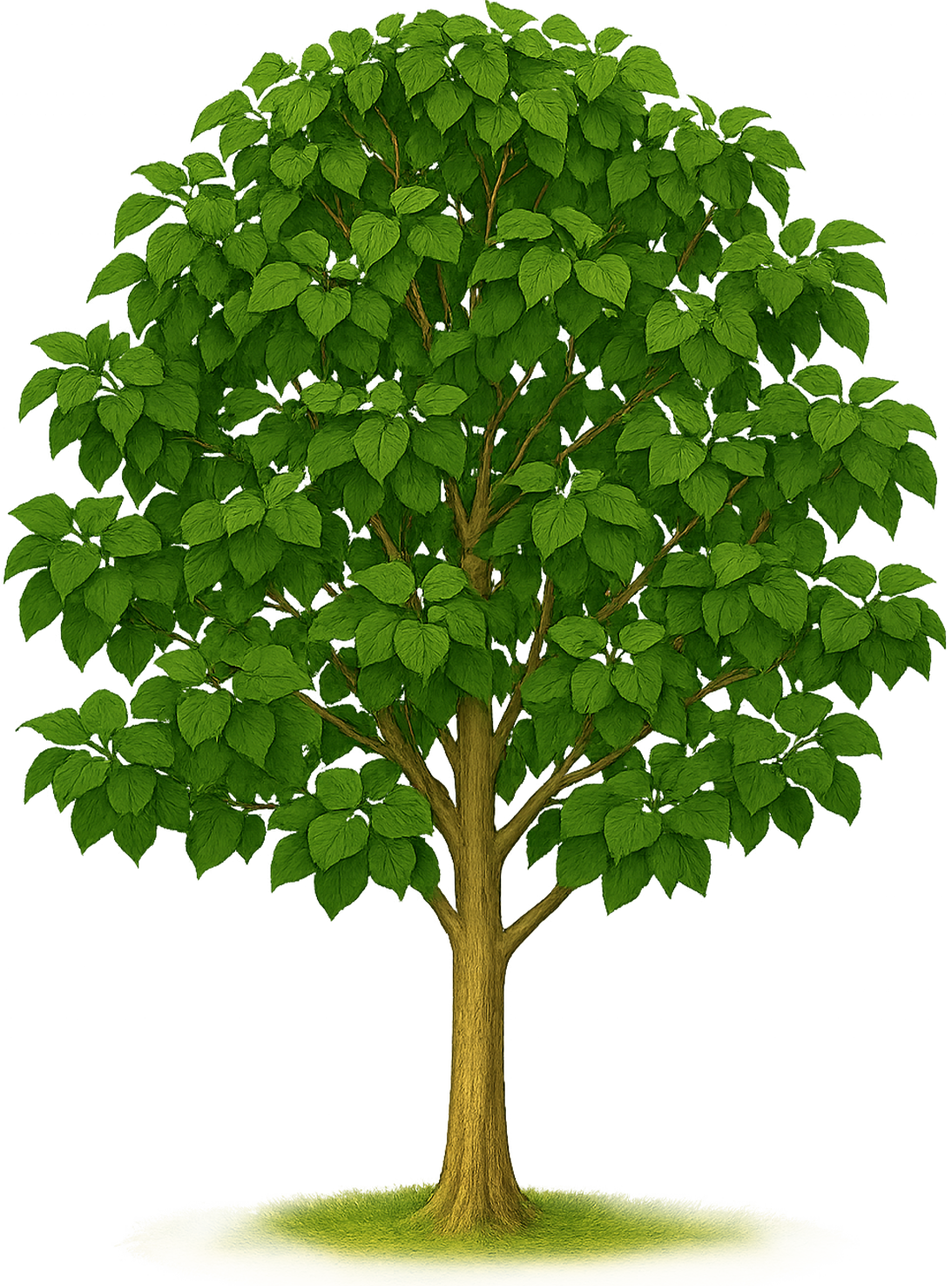
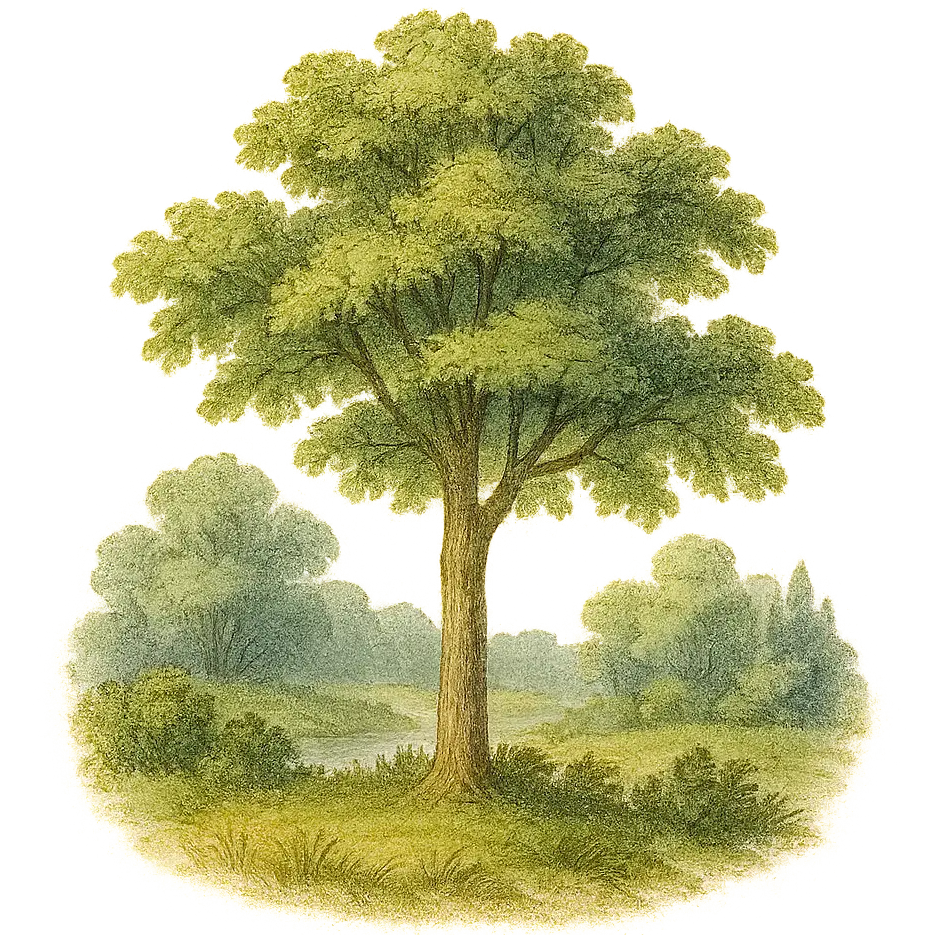
White Teak is a fast-growing deciduous tree that can reach up to about 30 meters in height, with a straight, cylindrical trunk and a broad, rounded crown. The bark is greyish-white to pale brown and becomes scaly as the tree matures. Leaves are large, opposite, heart-shaped and softly hairy on the underside. The tree produces showy yellow flowers with brown or orange markings in clusters, which are highly attractive to insects. Oval, fleshy fruits ripen to yellow and contain one or two seeds. The light, durable and easily workable wood makes this tree one of the most important timber species in tropical Asia, widely used in plantations, agroforestry and landscaping.
Read more

MEDICINAL USE
Known as Gambhari in Ayurveda, the tree is a key ingredient in Dashamoola, a classical formulation for pain, inflammation and rejuvenation. Roots, leaves and fruits are used for fevers, headaches, digestive and urinary disorders. Leaf juice is applied to wounds and skin irritations, while the fruit pulp acts as a mild laxative. Modern studies note anti-inflammatory, antioxidant, hepatoprotective and antimicrobial properties.
Read more
ECOLOGICAL IMPORTANCE
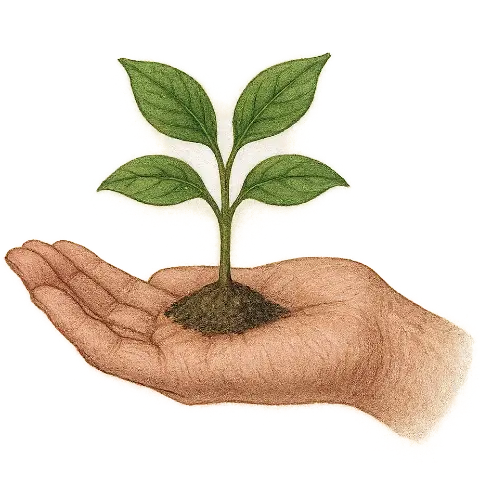
The flowers attract bees and butterflies, supporting pollination and honey production. As a soil-binding species, the tree helps prevent erosion and improves soil fertility through leaf litter. Its rapid growth and dense canopy make it useful in reforestation and as a carbon sink, contributing to climate resilience.
Read more
CULTURAL SIGNIFICANCE
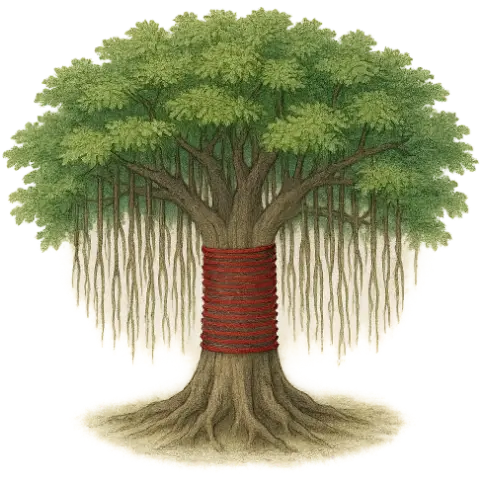
In Hindu traditions, White Teak is associated with healing and vitality due to its medicinal role in Ayurveda. Its timber supports rural craftsmanship and industries such as furniture, musical instruments, plywood and paper pulp. Widely planted along roadsides and parks, it combines cultural value with practical utility.
Read more
HABITAT
It thrives in moist and dry deciduous forests, preferring well-drained loamy or sandy soils and a warm, tropical climate. Since White Teak can tolerate moderate drought, it is also suitable for plantations in degraded lands.
Read more

CULINARY USE
The ripe fruit is edible, though mildly astringent and is sometimes eaten as a supplementary food in rural areas. Young leaves and shoots are also used as nutritious fodder for livestock.
Read more

FOUND HERE
Kavesar Garden
Read more

DO YOU KNOW?
White Teak is among the fastest-growing timber trees and can reach harvestable size within 10 - 15 years, making it highly valued in commercial forestry.


EARTH CHALLENGE
Why is White Teak widely used in reforestation and plantations?