
Holoptelea integrifolia,
Ulmaceae
Indian Elm
AKA: Chilbil, Waval
ORIGIN
Native
GEOGRAPHIC RANGE
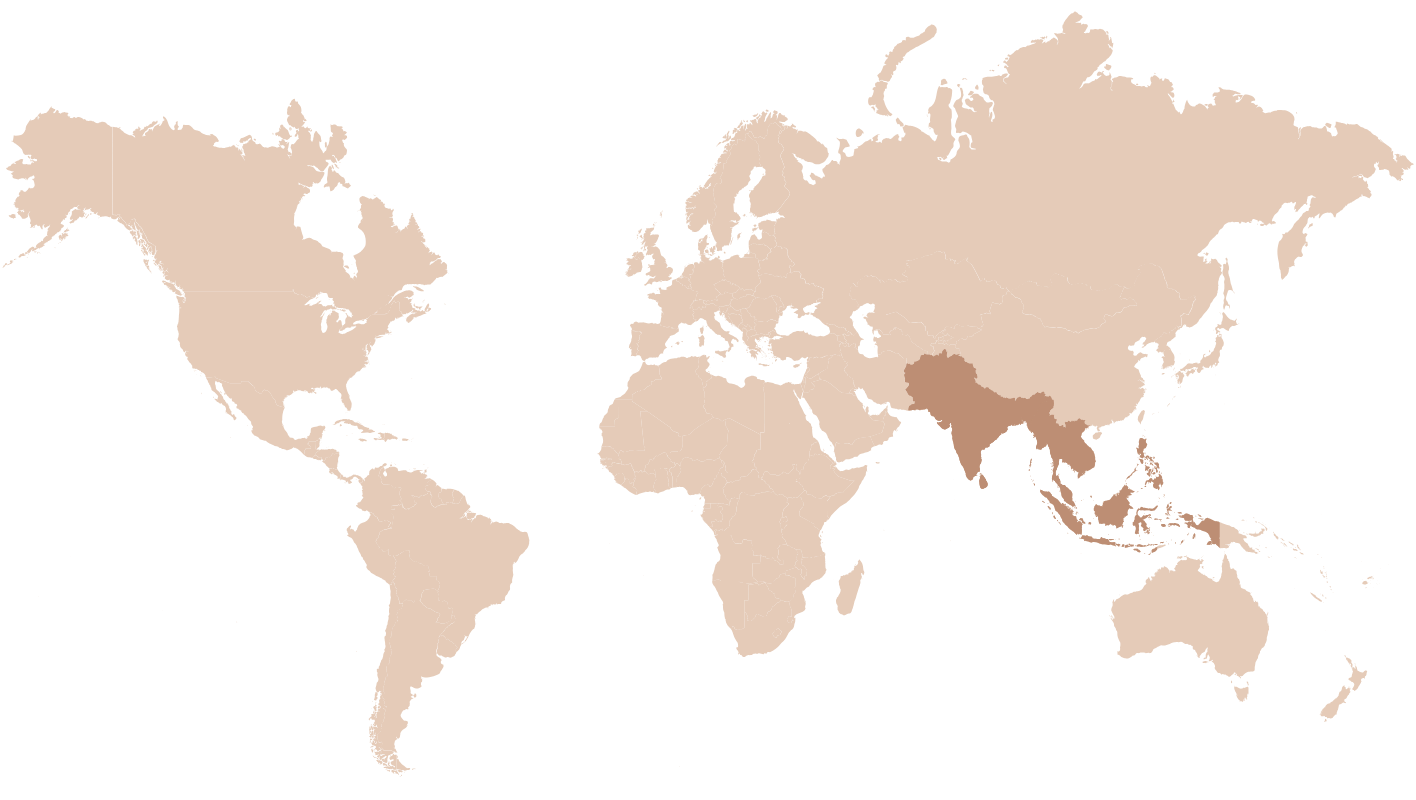
The Indian Elm is native to South and Southeast Asia, growing across India, Nepal, Sri Lanka, Bangladesh, Myanmar and Thailand. In India, it is found throughout the plains and foothills, up to altitudes of about 1200 meters, especially in dry deciduous and mixed forests.
HEIGHT
20 - 25 m

CONSERVATION STATUS
Least Concern on the
IUCN Red List
IUCN RED LIST
Established in 1964, The IUCN Red List is a critical indicator of the health of the world’s biodiversity. Species are classified by the IUCN Red List into nine groups, through criteria such as rate of decline, population size and area of geographic distribution as:
- Extinct (EX) – This species is no longer extant
- Extinct in the wild (EW) – Survives only in captivity, or through cultivation often outside native range
- Critically endangered (CR) – In an extremely critical state
- Endangered (EN) – Very high risk of extinction in the wild
- Vulnerable (VU) – At high risk of unnatural (human-caused) extinction
- Near Threatened (NT) – Close to being endangered in the near future
- Least Concern (LC) – Widespread and abundant in the wild
- Data Deficient (DD) – Inadequate information to assess extinction risk
- Not Evaluated (NE) – Has not yet been assessed
ORIGIN
Native
HEIGHT
20 - 25 m
GEOGRAPHIC RANGE
The Indian Elm is native to South and Southeast Asia, growing across India, Nepal, Sri Lanka, Bangladesh, Myanmar and Thailand. In India, it is found throughout the plains and foothills, up to altitudes of about 1200 meters, especially in dry deciduous and mixed forests.
CONSERVATION STATUS
Least Concern on the
IUCN Red List
BARK, FOLIAGE, FRUIT & FLOWER
Bark: Rough and exfoliating; used medicinally and sometimes as a natural adhesive.
Leaves: Simple and serrated; shed completely in the dry season and used in poultices and herbal remedies.
Flowers & Fruit: Small greenish-yellow flowers bloom before the rains; flat, winged samaras disperse by wind.
Leaves: Simple and serrated; shed completely in the dry season and used in poultices and herbal remedies.
Flowers & Fruit: Small greenish-yellow flowers bloom before the rains; flat, winged samaras disperse by wind.

GENERAL DESCRIPTION
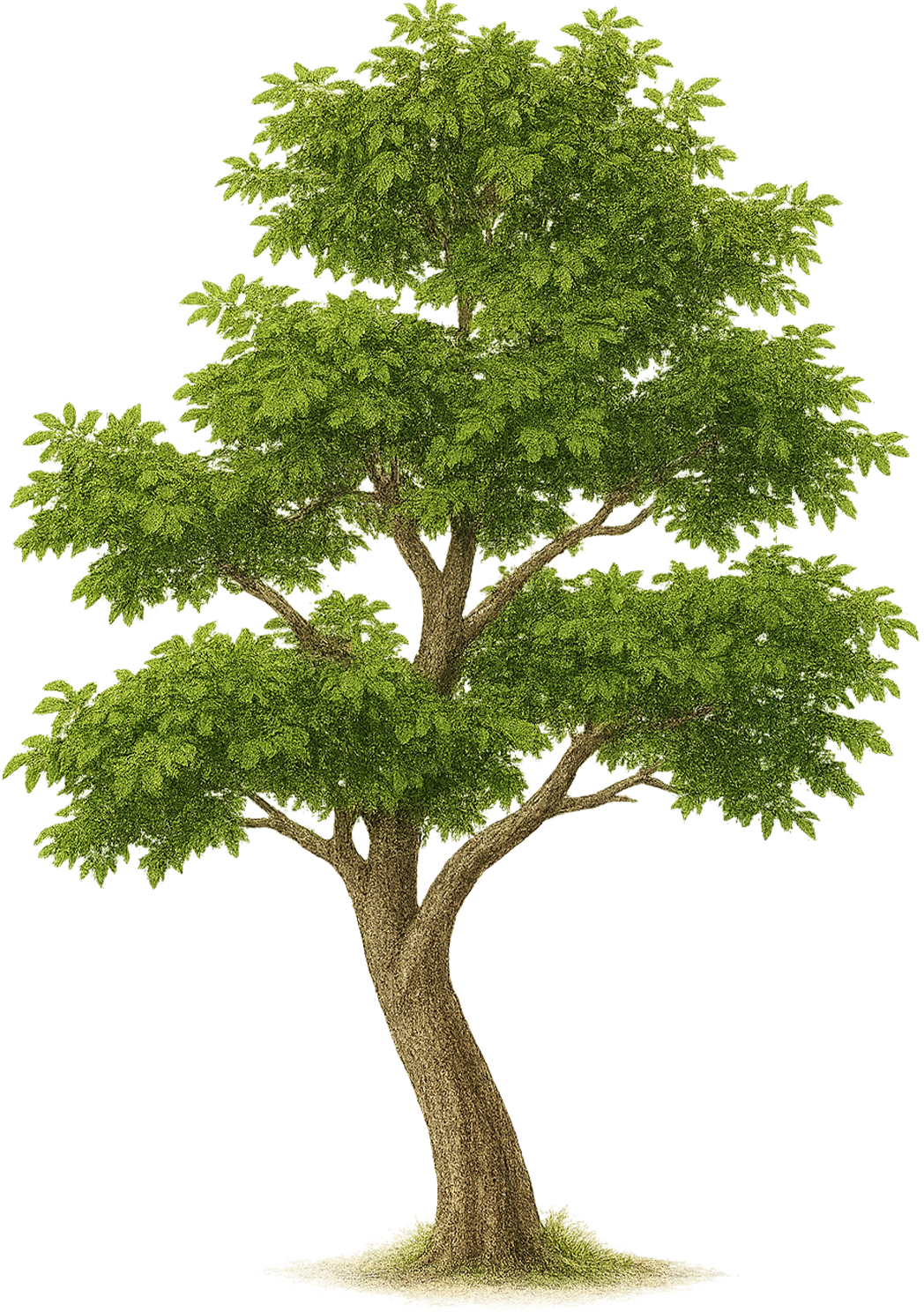
Indian Elm is a large deciduous tree growing about 18 - 25 meters tall, with a broad, spreading crown and rough greyish bark that peels off in irregular scales. The leaves are simple, alternate and elliptic to oval in shape, with serrated edges. They turn yellow before shedding completely during the dry season, leaving the tree bare until new growth appears with the rains. Small greenish-yellow flowers grow in clusters between February and April. These are followed by flat, circular, winged fruits called samaras, which are light and paper-like, allowing them to be carried easily by the wind. The wood is coarse-grained and commonly used for packing cases, agricultural tools and firewood.
Read more
MEDICINAL USE
Widely used in Ayurvedic, Siddha and Unani medicine, the bark is applied for skin diseases, eczema, ringworm and ulcers. Leaves are used as poultices for swelling, joint pain and skin infections. Seeds and bark decoctions treat digestive disorders, intestinal worms and rheumatism. The plant contains alkaloids, flavonoids and tannins that contribute to its healing properties.
Read more
ECOLOGICAL IMPORTANCE
The Indian Elm's winged fruits aid wide wind dispersal, helping it spread across dry landscapes. Its deep roots and hardy nature help stabilize soil and prevent erosion. Indian Elm supports birds and insects and contributes to carbon storage, making it valuable for afforestation and roadside planting in dry and tropical regions.
Read more
CULTURAL SIGNIFICANCE
Known as Chirabilva in classical Ayurvedic texts, Indian Elm is regarded as a healing and resilient tree in Indian folklore. Its adaptability, shade and drought tolerance make it important for sustainable forestry, rural landscapes and ecological restoration.
Read more
HABITAT
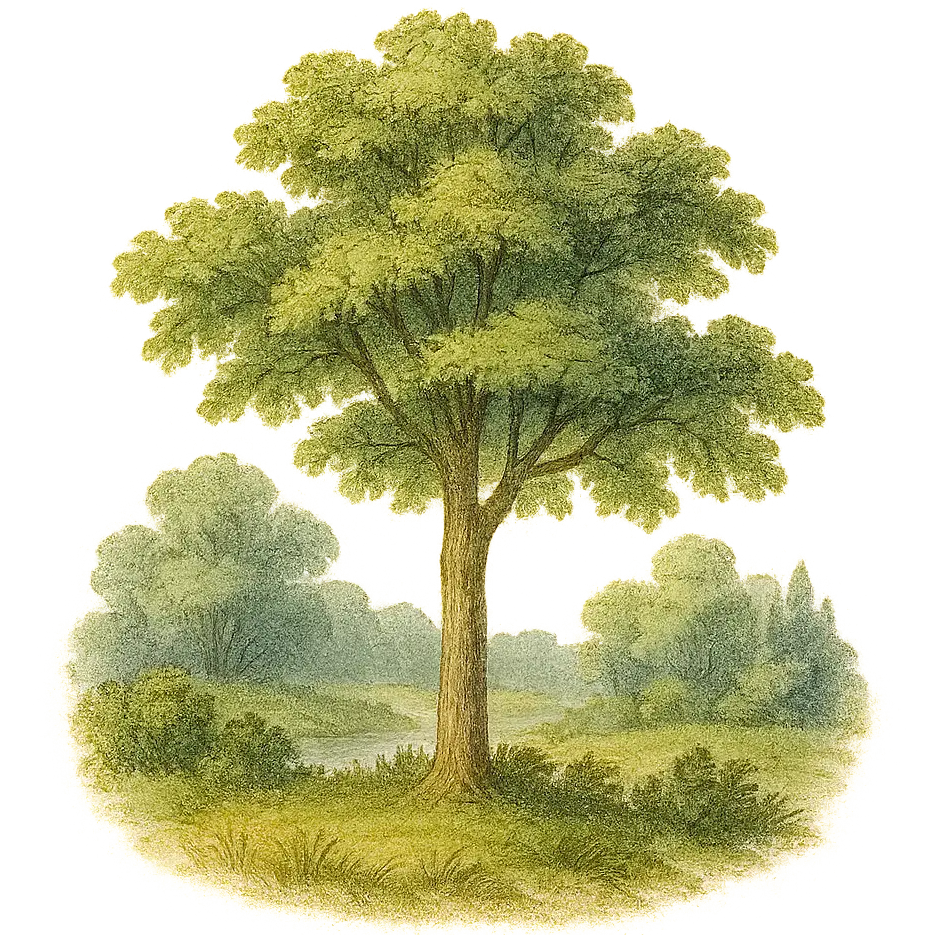
This tree thrives in well-drained loamy or alluvial soils and adapts well to arid and semi-arid conditions and is often grown along roadsides, field boundaries and in common village lands.
Read more
CULINARY USE
The Indian Elm is not used as a regular food source. However, young leaves are sometimes included in traditional herbal preparations and used as fodder for livestock in rural areas.
Read more
FOUND HERE
Outside Trafford
Read more

DO YOU KNOW?
In rural India, Indian Elm is often seen as a natural marker of seasonal change, shedding its leaves before summer and flowering just before the monsoon arrives.
EARTH CHALLENGE
How does Indian Elm spread its seeds effectively?