
Madhuca indica,
Sapotaceae
Mahua
AKA: Butter Tree, Mahura
ORIGIN
Native
GEOGRAPHIC RANGE
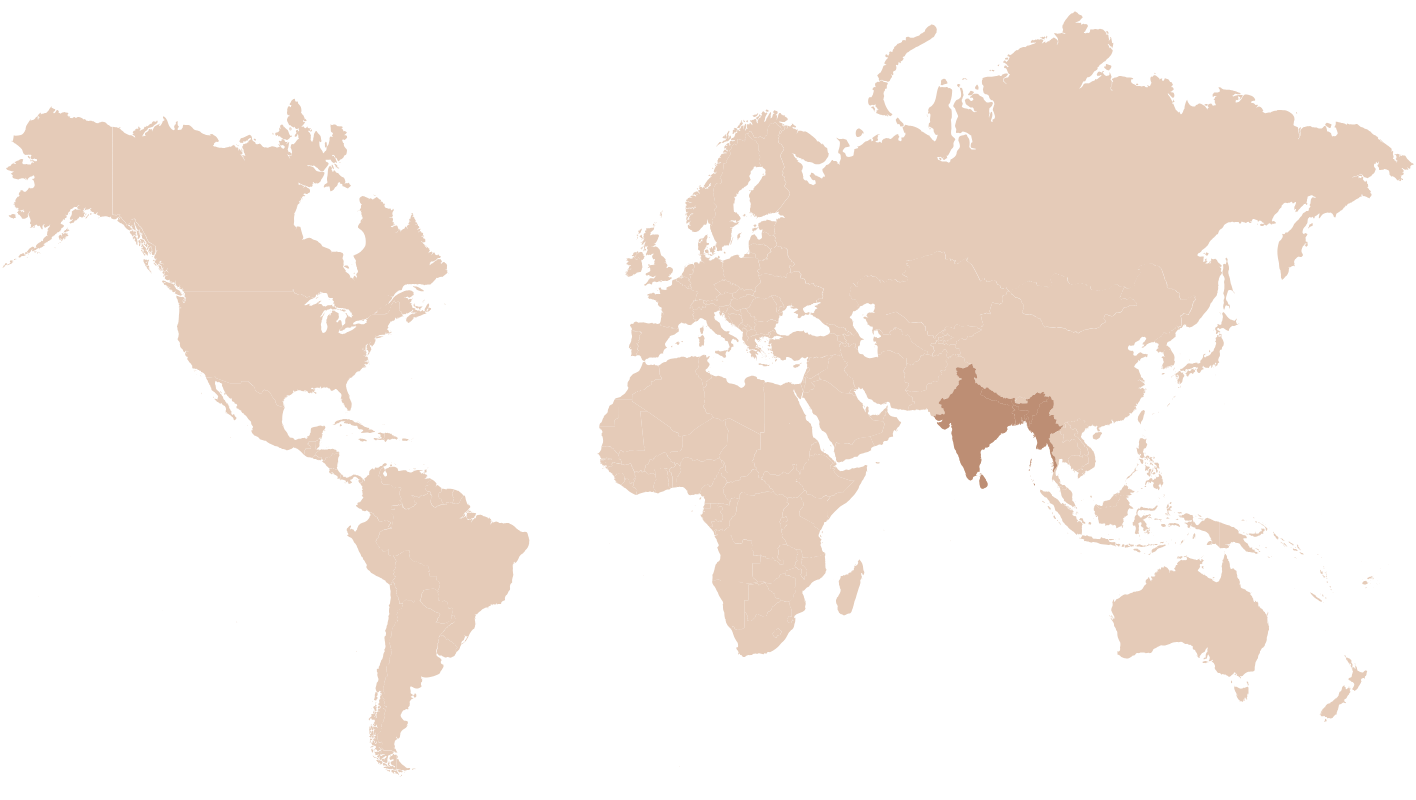
Endemic to the Indian Subcontinent, mainly the plains of peninsular India, Bangladesh, Nepal, Myanmar and Sri Lanka
HEIGHT
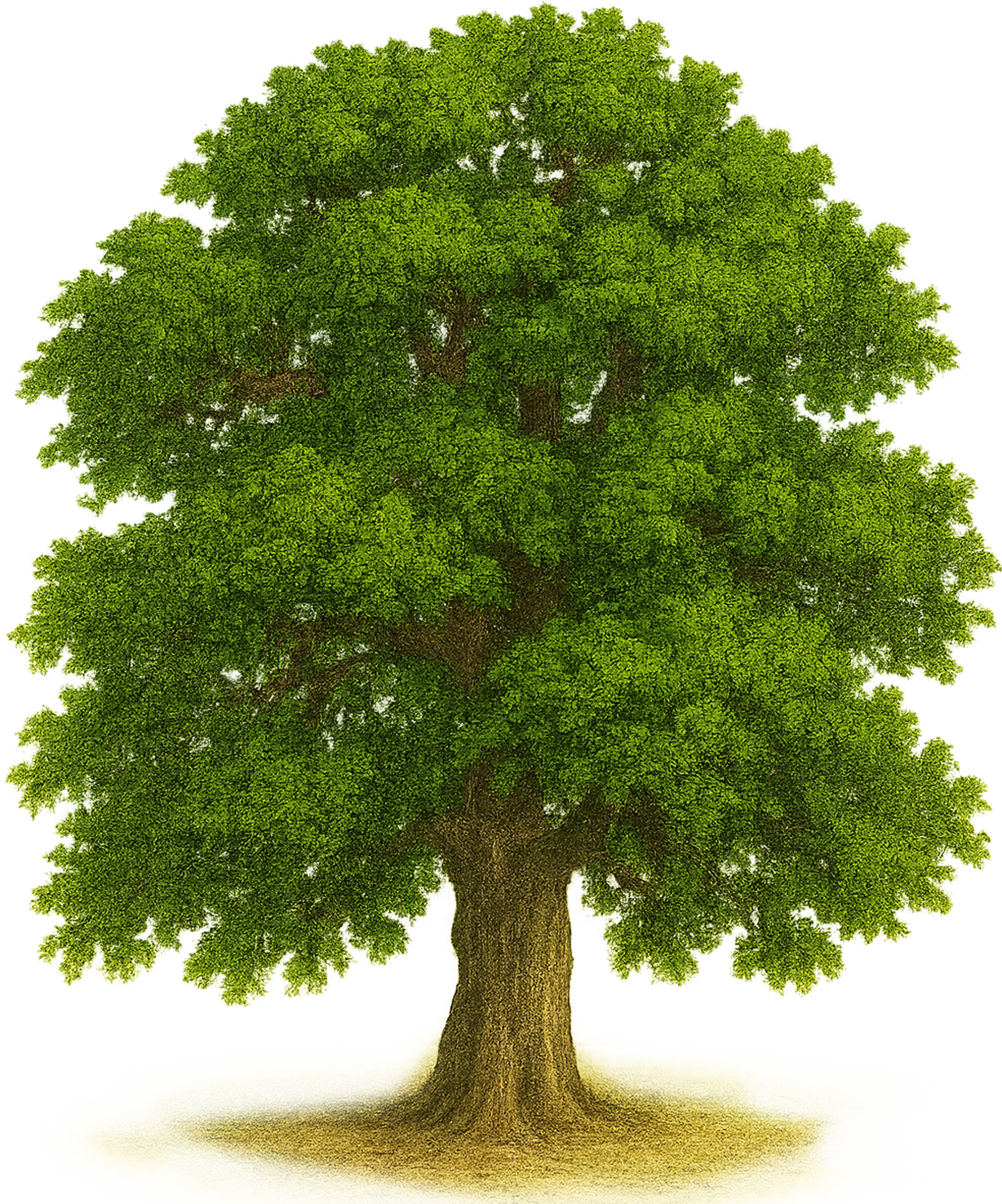
16 - 20 m

CONSERVATION STATUS
Least Concern on the
IUCN Red List
IUCN RED LIST
Established in 1964, The IUCN Red List is a critical indicator of the health of the world’s biodiversity. Species are classified by the IUCN Red List into nine groups, through criteria such as rate of decline, population size and area of geographic distribution as:
- Extinct (EX) – This species is no longer extant
- Extinct in the wild (EW) – Survives only in captivity, or through cultivation often outside native range
- Critically endangered (CR) – In an extremely critical state
- Endangered (EN) – Very high risk of extinction in the wild
- Vulnerable (VU) – At high risk of unnatural (human-caused) extinction
- Near Threatened (NT) – Close to being endangered in the near future
- Least Concern (LC) – Widespread and abundant in the wild
- Data Deficient (DD) – Inadequate information to assess extinction risk
- Not Evaluated (NE) – Has not yet been assessed
ORIGIN
Native
HEIGHT
16 - 20 m
GEOGRAPHIC RANGE
Endemic to the Indian Subcontinent, mainly the plains of peninsular India, Bangladesh, Nepal, Myanmar and Sri Lanka
CONSERVATION STATUS
Least Concern on the
IUCN Red List
BARK, FOLIAGE, FRUIT & FLOWER
Bark: The bark of the Mahua tree is thick, greyish-brown and slightly rough in texture.
Leaves: The leaves are large, oval and leathery, with smooth edges and a glossy green surface. They form a dense canopy that provides cool shade and shelter for Floras and animals. Leaves are shed briefly in summer, just before flowering.
Flowers & Fruit: Mahua flowers are small, cream-coloured and bell-shaped. They bloom at night in dense clusters between February and April, attracting bees and bats. The fleshy, oval fruits turn yellowish-green when ripe and are eaten by both animals and people.
Leaves: The leaves are large, oval and leathery, with smooth edges and a glossy green surface. They form a dense canopy that provides cool shade and shelter for Floras and animals. Leaves are shed briefly in summer, just before flowering.
Flowers & Fruit: Mahua flowers are small, cream-coloured and bell-shaped. They bloom at night in dense clusters between February and April, attracting bees and bats. The fleshy, oval fruits turn yellowish-green when ripe and are eaten by both animals and people.

GENERAL DESCRIPTION
The Mahua is a fast-growing deciduous tree, though it may remain semi-evergreen in moist areas. It develops a wide, shady crown and thick trunk, with new leaves appearing just before the flowering season. Each mature tree can yield between 20 and 200 kilograms of seeds annually, depending on its age and growing conditions.
Read more
MEDICINAL USE
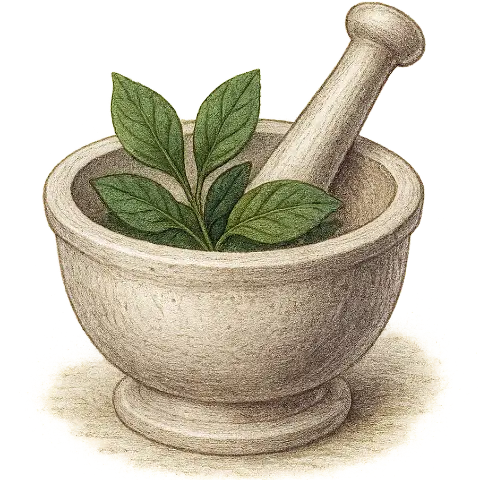
Valued in traditional medicine for its many healing properties, various parts of the Mahua tree including the bark, flowers and seeds can be used to treat ailments like skin infections, coughs and joint pain. The flowers are known for their cooling effect and are sometimes used in tonics, while the seed oil is applied externally to soothe skin and relieve rheumatic pain.
Read more
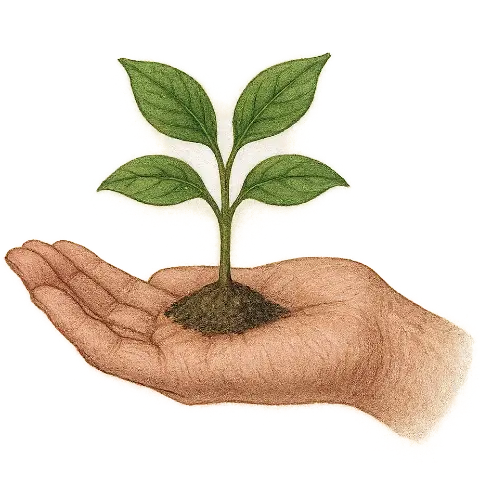
ECOLOGICAL IMPORTANCE
Mahua flowers and fruits provide food for bats and other wildlife. The seed cake left after oil extraction makes an excellent natural fertilizer, enriching the soil and supporting healthy plant growth around it.
Read more
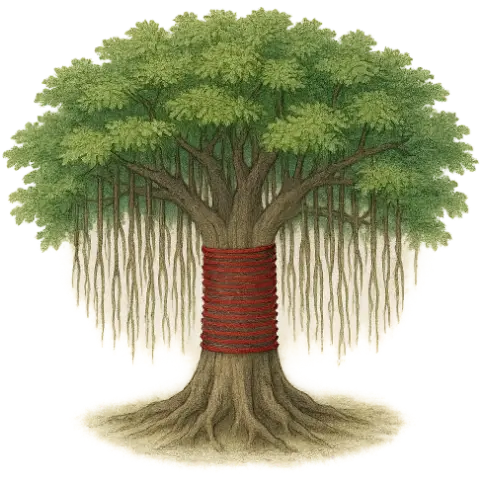
CULTURAL SIGNIFICANCE
The Mahua tree holds deep cultural and spiritual value for many tribal communities across India. Every part of the tree, its flowers, fruits and seeds is useful as food or for oil. Because of this, the tree is seen as sacred and temples or shrines are often found near it in tribal villages.
Read more
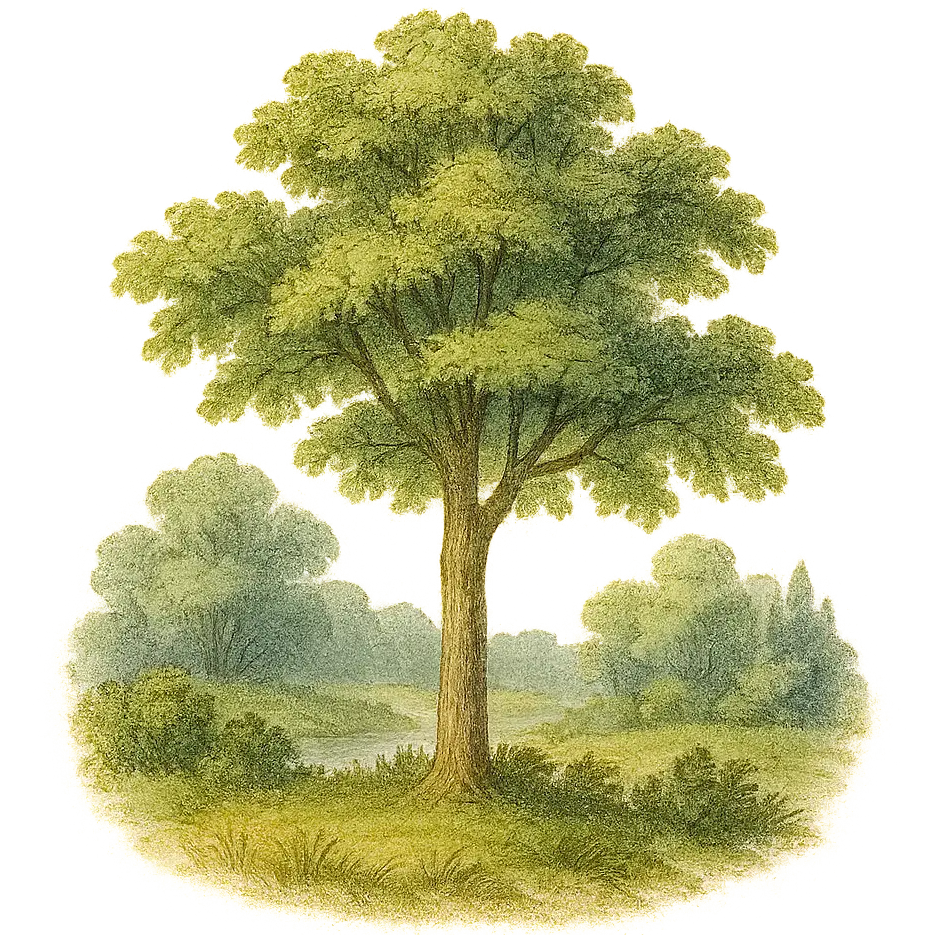
HABITAT
The Mahua thrives in warm and humid climate and is widely cultivated for its oil-rich seeds, flowers and wood. Remarkably hardy, it also adapt to arid or dry environments making it a common tree in the tropical mixed deciduous forests of Maharashtra, Odisha, Chhattisgarh, Jharkhand, Uttar Pradesh, Bihar andhra Pradesh, Madhya Pradesh, Kerala, Gujarat, West Bengal and Tamil Nadu.
Read more
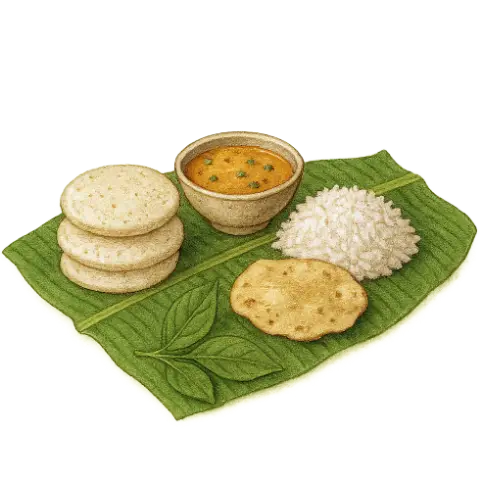
CULINARY USE
The Mahua has long been a source of nourishment for many tribal communities. Oil extracted from its seeds is traditionally used for cooking and is now also used in making soaps, detergents, vegetable butter and even fuel oil.
Its sweet, fragrant flowers are just as versatile and are used to make jam, a local wine called mahuda and even ground into flour for breads in parts of Bihar. The sun-dried flowers can also be fried and eaten as a natural, sugar-rich treat.
Read more

FOUND HERE
Windor Bldg
Read more

DO YOU KNOW?
The Mahua is one of the top carbon-storing native trees. A single mature Mahua can lock away hundreds of kilograms of carbon, equivalent to several tons of carbon dioxide removed from the atmosphere over its lifetime.


EARTH CHALLENGE
What makes the Mahua tree especially valuable to people and wildlife?