
Magnolia champaca,
Magnoliaceae
Champak
AKA: Son Chafa
ORIGIN
Native
GEOGRAPHIC RANGE
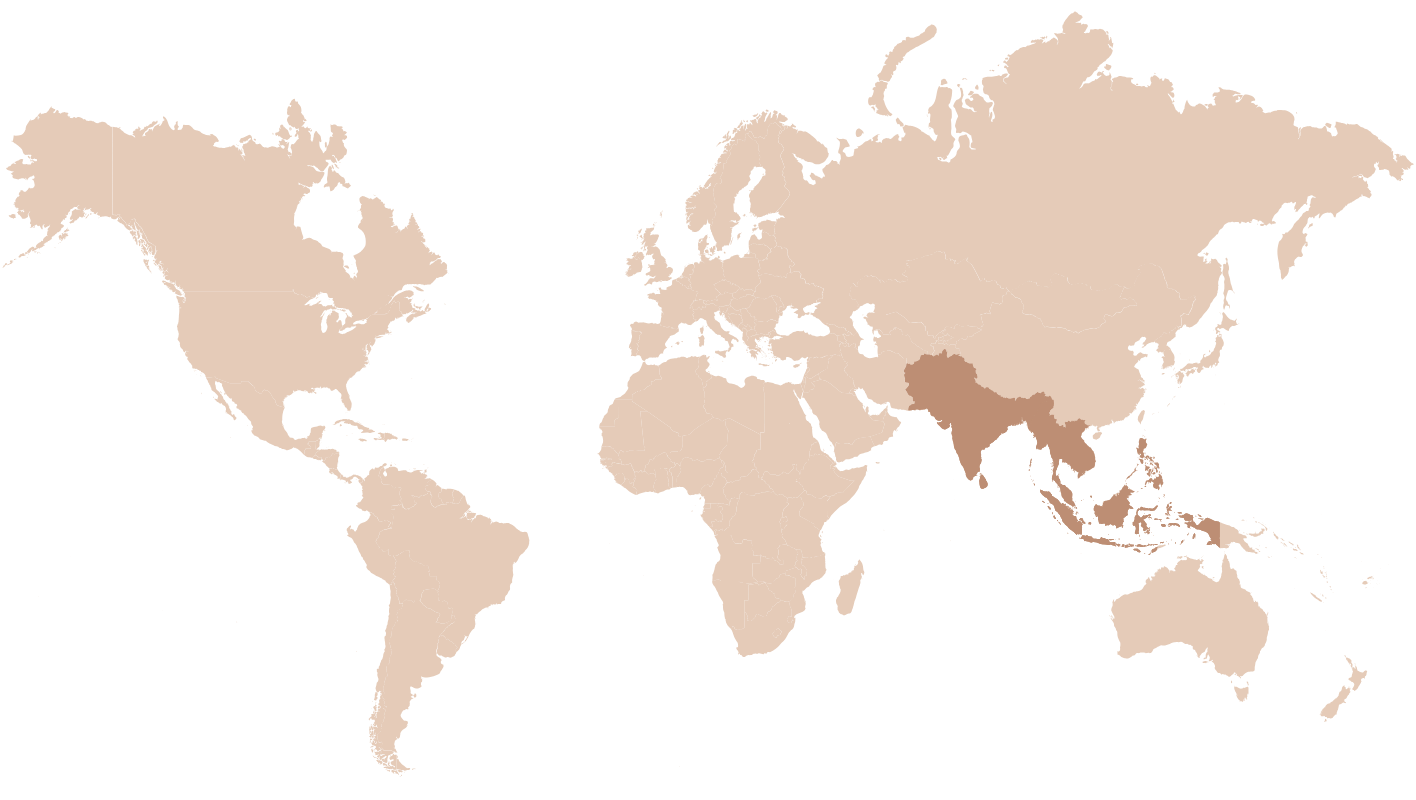
The Champak is native to South and Southeast Asia, including India, Nepal, Sri Lanka, Myanmar, Thailand and Indonesia.
HEIGHT
upto 50 m

CONSERVATION STATUS
Least Concern on the
IUCN Red List
IUCN RED LIST
Established in 1964, The IUCN Red List is a critical indicator of the health of the world’s biodiversity. Species are classified by the IUCN Red List into nine groups, through criteria such as rate of decline, population size and area of geographic distribution as:
- Extinct (EX) – This species is no longer extant
- Extinct in the wild (EW) – Survives only in captivity, or through cultivation often outside native range
- Critically endangered (CR) – In an extremely critical state
- Endangered (EN) – Very high risk of extinction in the wild
- Vulnerable (VU) – At high risk of unnatural (human-caused) extinction
- Near Threatened (NT) – Close to being endangered in the near future
- Least Concern (LC) – Widespread and abundant in the wild
- Data Deficient (DD) – Inadequate information to assess extinction risk
- Not Evaluated (NE) – Has not yet been assessed
ORIGIN
Native
HEIGHT
upto 50 m
GEOGRAPHIC RANGE
The Champak is native to South and Southeast Asia, including India, Nepal, Sri Lanka, Myanmar, Thailand and Indonesia.
CONSERVATION STATUS
Least Concern on the
IUCN Red List
BARK, FOLIAGE, FRUIT & FLOWER
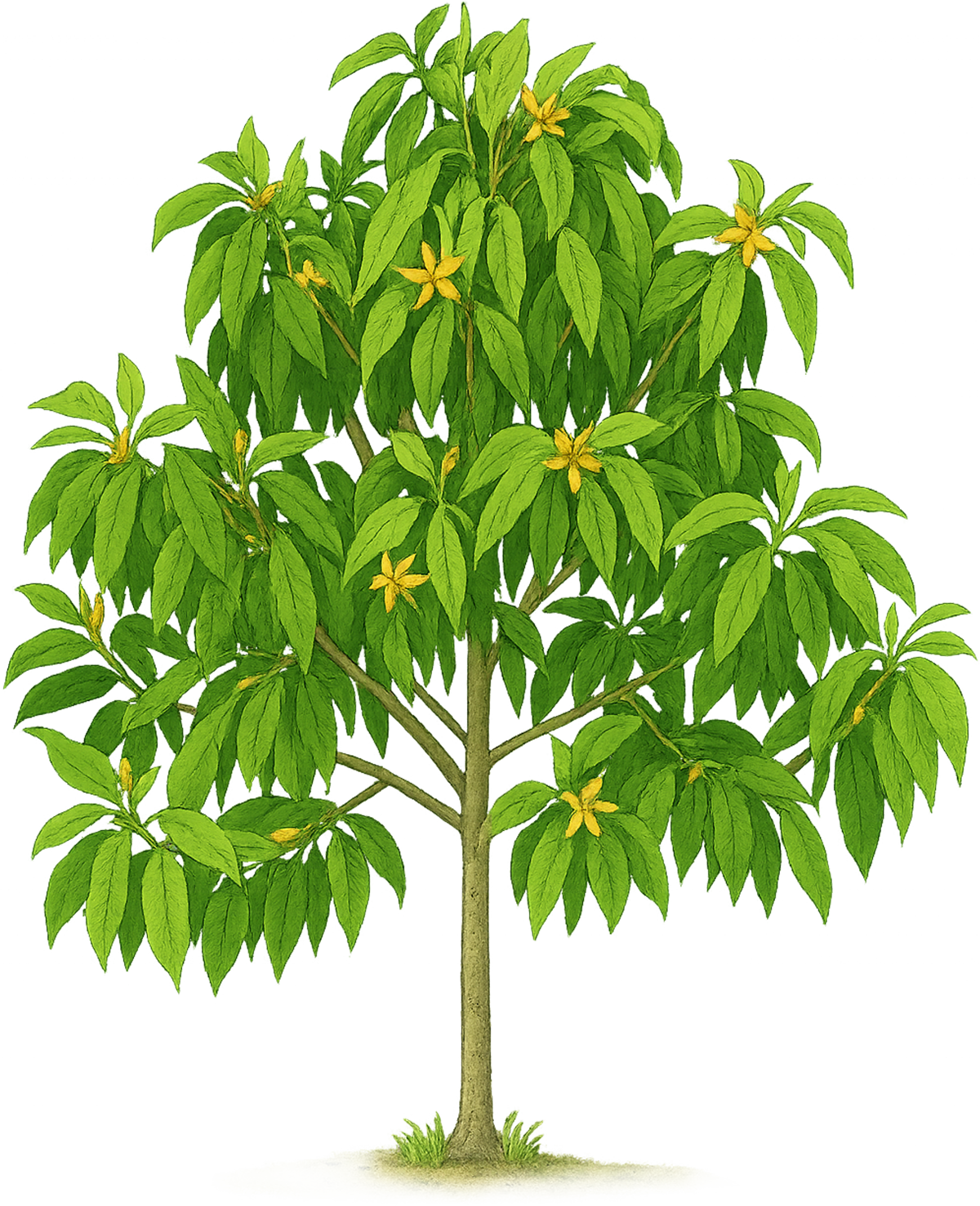
Bark: Aromatic and medicinally valued for treating fever, inflammation and skin ailments.
Leaves: Glossy and lance-shaped; used in poultices and provide dense evergreen shade.
Flowers & Fruit: Highly fragrant yellow to orange flowers bloom for much of the year; flowers are used in perfumery, rituals and aromatherapy.
Leaves: Glossy and lance-shaped; used in poultices and provide dense evergreen shade.
Flowers & Fruit: Highly fragrant yellow to orange flowers bloom for much of the year; flowers are used in perfumery, rituals and aromatherapy.

GENERAL DESCRIPTION
Champak is a large evergreen tree growing about 15 - 30 meters tall and sometimes taller under ideal tropical conditions. It has a straight trunk and dense foliage made up of glossy, lance-shaped leaves arranged alternately along the branches. The tree is most celebrated for its yellow to orange flowers, which bloom through much of the year in warm climates. These flowers release a strong, sweet, exotic fragrance that becomes especially intense in the evening and at night. Belonging to the Magnoliaceae family, one of the oldest flowering plant lineages, Champak also provides fine-grained, aromatic timber used for high-quality woodwork.
Read more
MEDICINAL USE
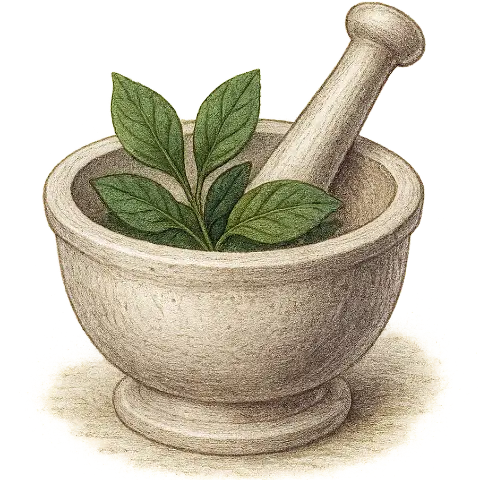
In traditional medicine, the flowers are used to ease anxiety, nausea, asthma and excess body heat. The bark has anti-inflammatory, fever-reducing and antimicrobial properties and is used for skin problems, fever and rheumatism. Leaves are applied as poultices for swelling and inflammation. Champak essential oil is widely used in aromatherapy for its calming and uplifting effects, while seeds are used in traditional oils for hair and scalp care.
Read more
ECOLOGICAL IMPORTANCE
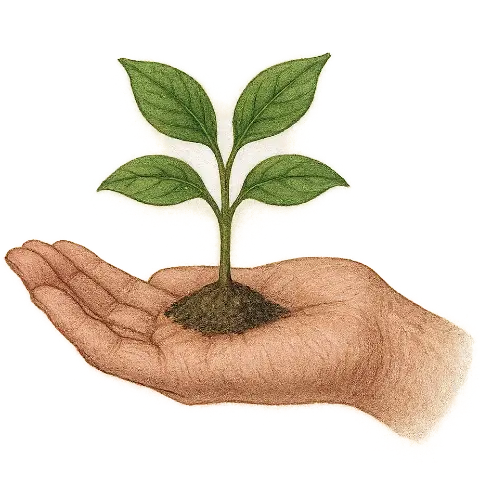
The fragrant flowers attract a range of pollinators, including bees, beetles, butterflies and nocturnal insects. Its evergreen canopy provides year-round shade and helps improve air quality in urban and temple landscapes. By supporting pollinator networks, the tree contributes to ecological stability in tropical environments.
Read more
CULTURAL SIGNIFICANCE
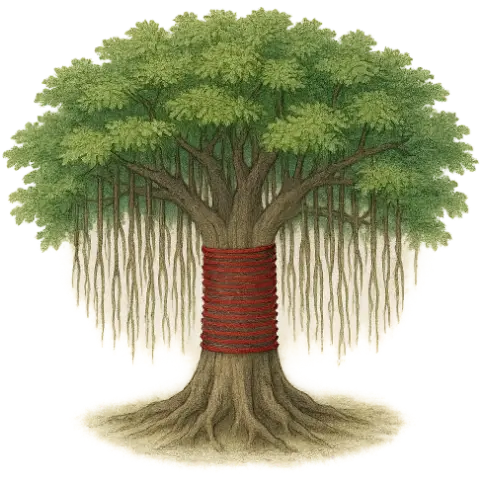
The Champa flower is sacred in Hinduism and Buddhism and is closely associated with purity, devotion and spiritual awakening. The tree is often planted near temples and its flowers are used in rituals, garlands and offerings. In Southeast Asia, Champak flowers are widely used in ceremonies, festive decorations and traditional adornments.
Read more
HABITAT
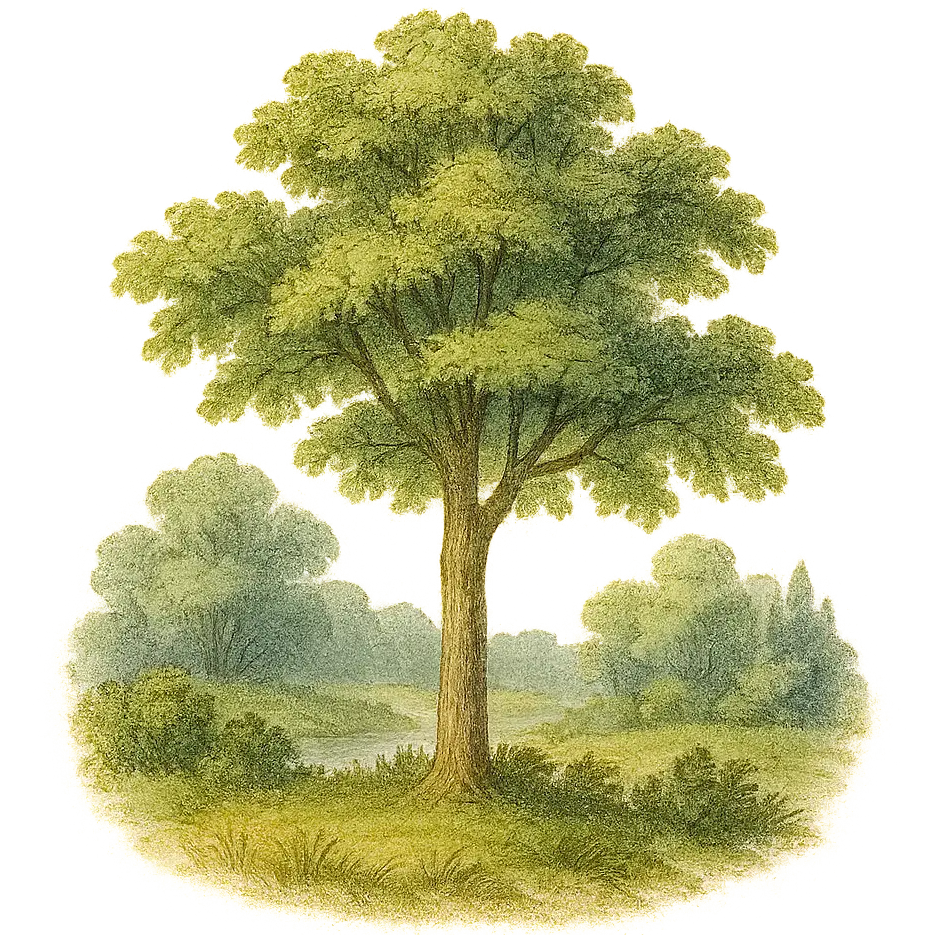
This tree thrives in tropical and subtropical forests, moist valleys and foothills, with humid climates and good rainfall. It is often planted in gardens and temple premisesfor its fragrance and ornamental value.
Read more
CULINARY USE
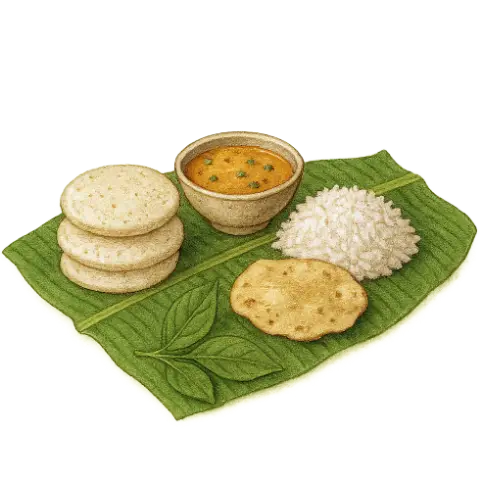
Champak does not have a significant role as a food plant. Its fragrance may be used indirectly in flavouring oils or herbal preparations, but it is not commonly consumed.
Read more
FOUND HERE
Apollo
Read more

DO YOU KNOW?
Champak belongs to one of the most ancient groups of flowering trees and was originally pollinated by beetles, long before bees became common pollinators.

EARTH CHALLENGE
Why is Champak especially important in the perfume industry?