
Mangifera indica,
Anacardiaceae
Mango
AKA: Aamba
ORIGIN
Native
GEOGRAPHIC RANGE
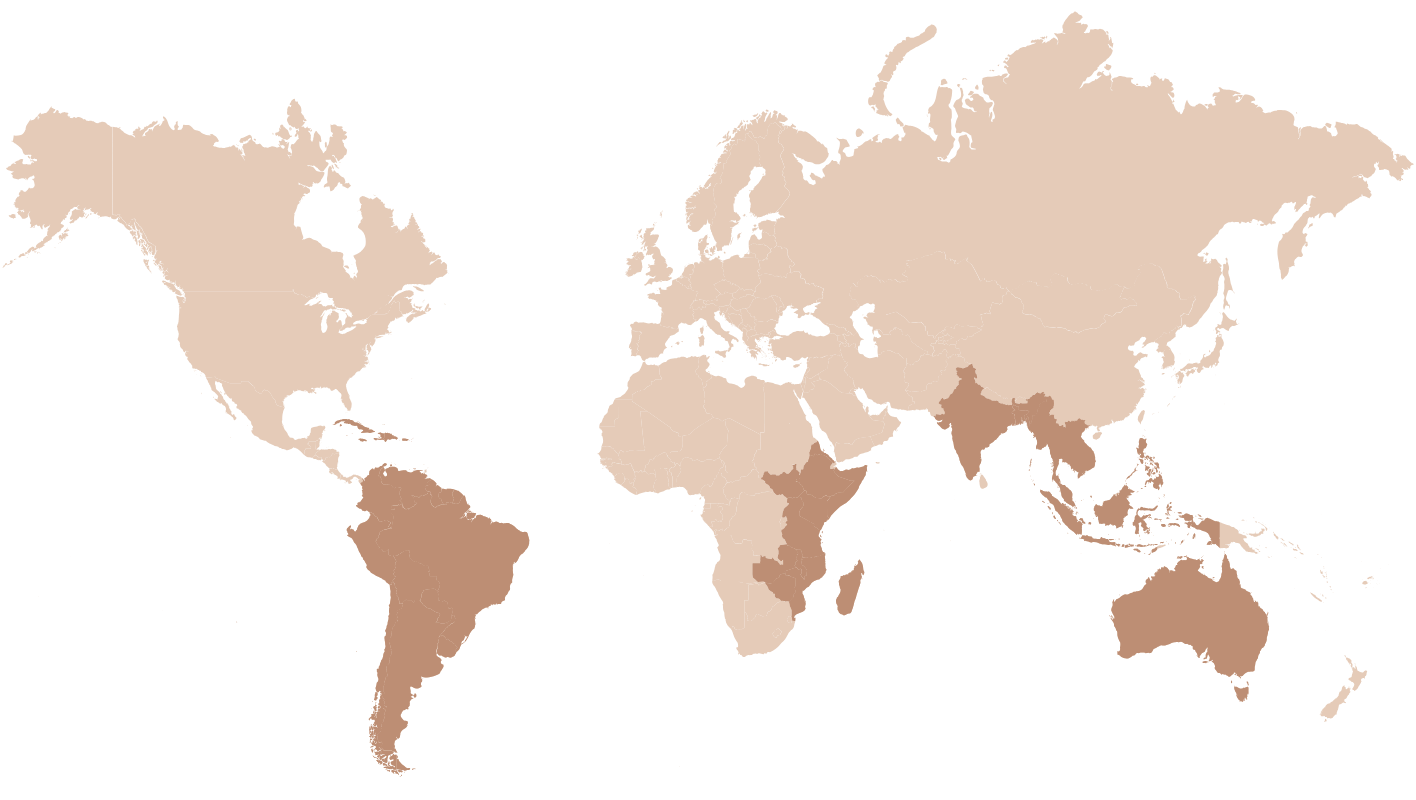
Mango trees are native to the Indian subcontinent, especially India, Myanmar and Bangladesh. They are now cultivated widely across
Southeast Asia, East Africa, South America, the
Caribbean islands and Australia.
HEIGHT
15 - 30 m

CONSERVATION STATUS
Least Concern on the
IUCN Red List
IUCN RED LIST
Established in 1964, The IUCN Red List is a critical indicator of the health of the world’s biodiversity. Species are classified by the IUCN Red List into nine groups, through criteria such as rate of decline, population size and area of geographic distribution as:
- Extinct (EX) – This species is no longer extant
- Extinct in the wild (EW) – Survives only in captivity, or through cultivation often outside native range
- Critically endangered (CR) – In an extremely critical state
- Endangered (EN) – Very high risk of extinction in the wild
- Vulnerable (VU) – At high risk of unnatural (human-caused) extinction
- Near Threatened (NT) – Close to being endangered in the near future
- Least Concern (LC) – Widespread and abundant in the wild
- Data Deficient (DD) – Inadequate information to assess extinction risk
- Not Evaluated (NE) – Has not yet been assessed
ORIGIN
Native
HEIGHT
15 - 30 m
GEOGRAPHIC RANGE
Mango trees are native to the Indian subcontinent, especially India, Myanmar and Bangladesh. They are now cultivated widely across
Southeast Asia, East Africa, South America, the
Caribbean islands and Australia.
CONSERVATION STATUS
Least Concern on the
IUCN Red List
BARK, FOLIAGE, FRUIT & FLOWER
Bark: Thick and astringent; used in traditional medicine for digestive and inflammatory conditions.
Leaves: Lance-shaped; reddish when young, used medicinally and in cultural rituals and decorations.
Flowers & Fruit: Small fragrant flowers bloom in clusters; fruits develop in many forms and flavours, eaten raw or ripe and used extensively in cooking.
Leaves: Lance-shaped; reddish when young, used medicinally and in cultural rituals and decorations.
Flowers & Fruit: Small fragrant flowers bloom in clusters; fruits develop in many forms and flavours, eaten raw or ripe and used extensively in cooking.

GENERAL DESCRIPTION
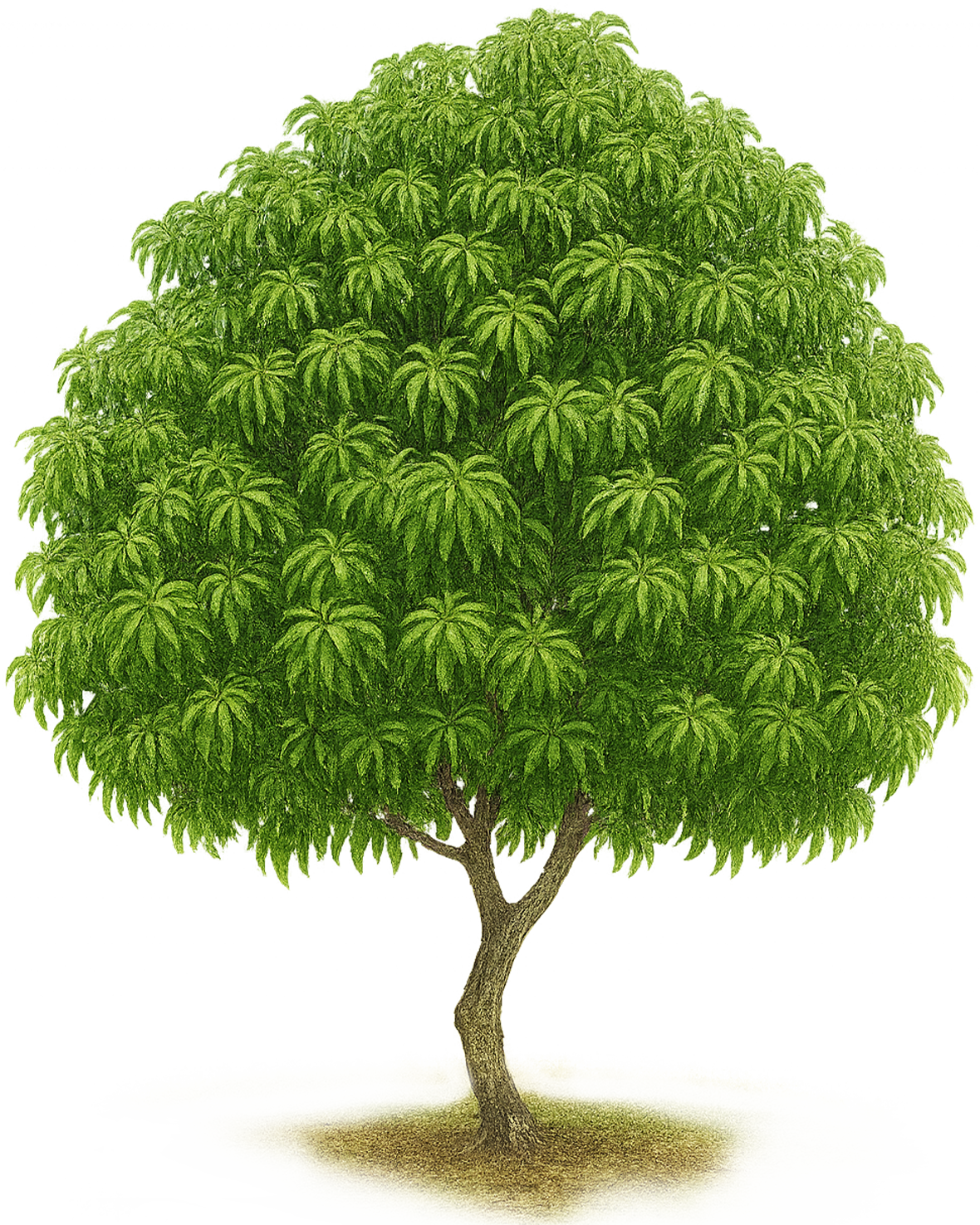
Mango tree is a large evergreen tree that can grow anywhere from 10 to 40 meters tall, with a strong trunk and a wide, dense crown that provides deep shade. The leaves are leathery and lance-shaped, emerging reddish when young before turning deep green as they mature. Small, fragrant yellowish flowers appear in large branching clusters called panicles and later develop into mango fruits. The fruits vary greatly in size, colour, aroma and taste depending on the variety. Because of its rich flavour, nutrition and cultural value, the mango is widely known as the "King of Fruits." Mango wood is moderately strong and commonly used for items such as furniture, toys and pencils.
Read more
MEDICINAL USE
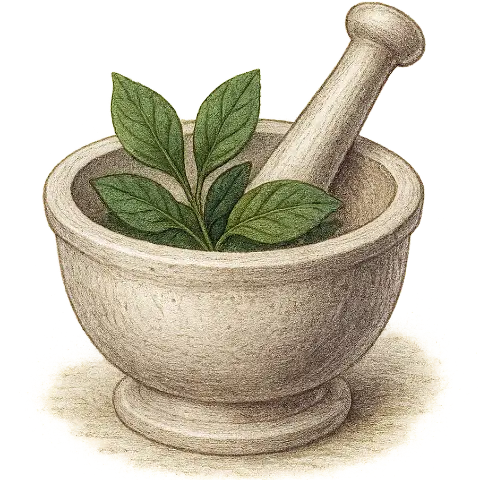
In Ayurveda and traditional medicine, mango leaves are used to help manage blood sugar and respiratory problems. Bark is valued for its astringent properties and used for diarrhea, dysentery and inflammation. Flowers are used in remedies for digestive and urinary issues. The fruit is rich in vitamins A, C and E, supporting immunity, digestion and skin health. Seed kernels are used in hair care and medicinal pastes.
Read more
ECOLOGICAL IMPORTANCE
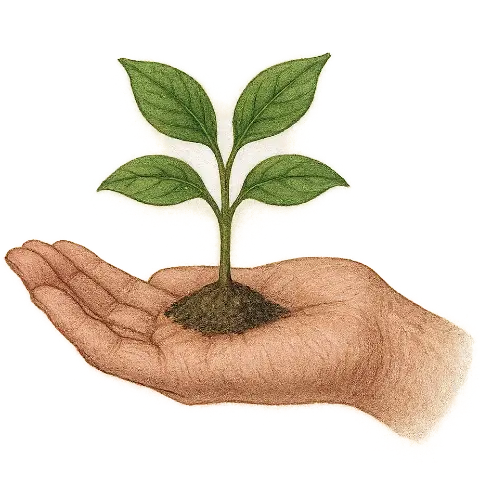
Mango trees support a wide range of pollinators, including bees and insects, during flowering season. Their fruits provide food for birds, bats and other wildlife. The large canopy helps lower temperatures, improve microclimates and reduce soil moisture loss. Mango orchards also play an important role in agroforestry systems and rural ecosystems.
Read more
CULTURAL SIGNIFICANCE
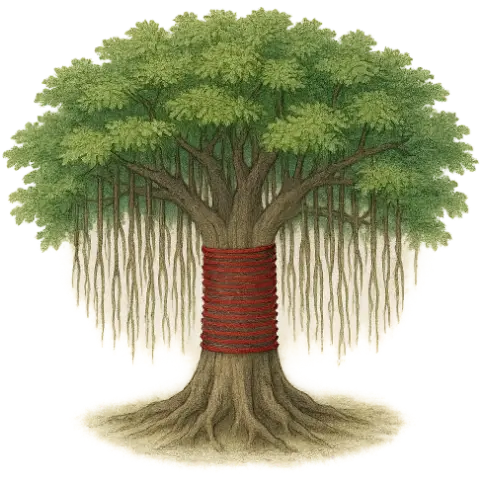
The mango tree is sacred in Hindu culture and symbolizes love, fertility and prosperity. Mango leaves are hung as torans during festivals and weddings to bring good fortune. The fruit features prominently in Indian literature, art and cuisine and is the national fruit of India, Pakistan and the Philippines. Mango cultivation supports millions of livelihoods and forms a vital part of cultural identity across South Asia.
Read more
HABITAT
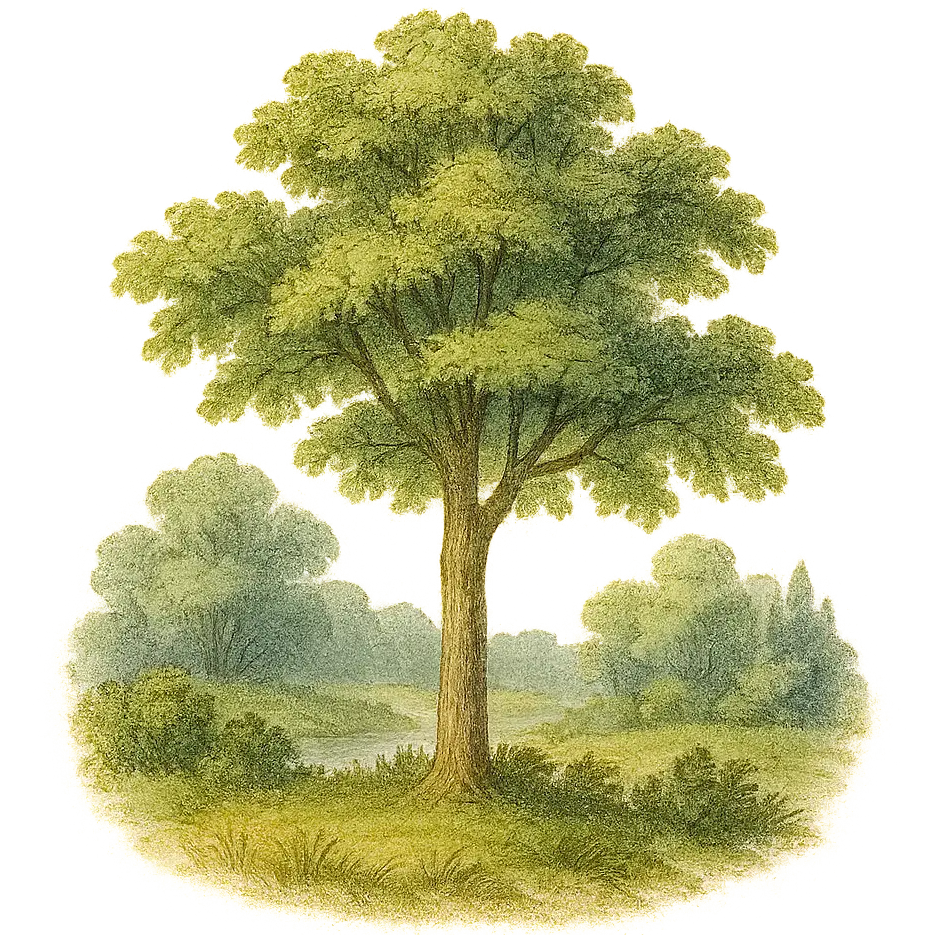
Mango trees grow in tropical and subtropical climates and need well-drained loamy soils and a climate with distinct dry and wet seasons.
Read more
CULINARY USE
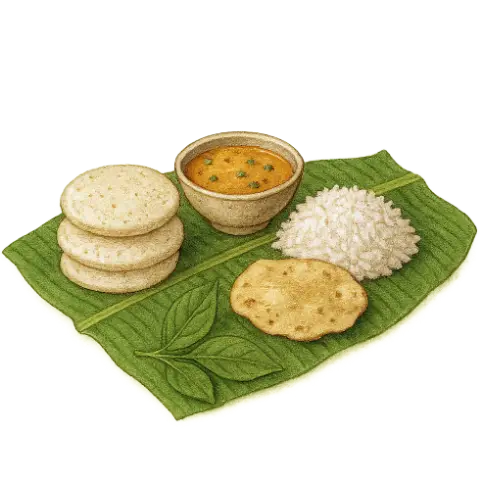
Mango is one of the most widely used fruits in the world. Ripe mangoes are eaten fresh or used in juices, desserts, jams and chutneys. Raw mangoes are used in pickles, curries, savoury dishes and drinks such as aam panna. Different stages of ripeness are used in different regional cuisines.
Read more

FOUND HERE
Kavesar Garden
Read more

DO YOU KNOW?
There are more than 1,000 known mango varieties and some mango trees are known to live and bear fruit for over 300 years.


EARTH CHALLENGE
Why is the Mango called the King of Fruits ?