
Mesua ferrea,
Calophyllaceae
Ceylon Ironwood
AKA: Nagkesar
ORIGIN
Native
GEOGRAPHIC RANGE
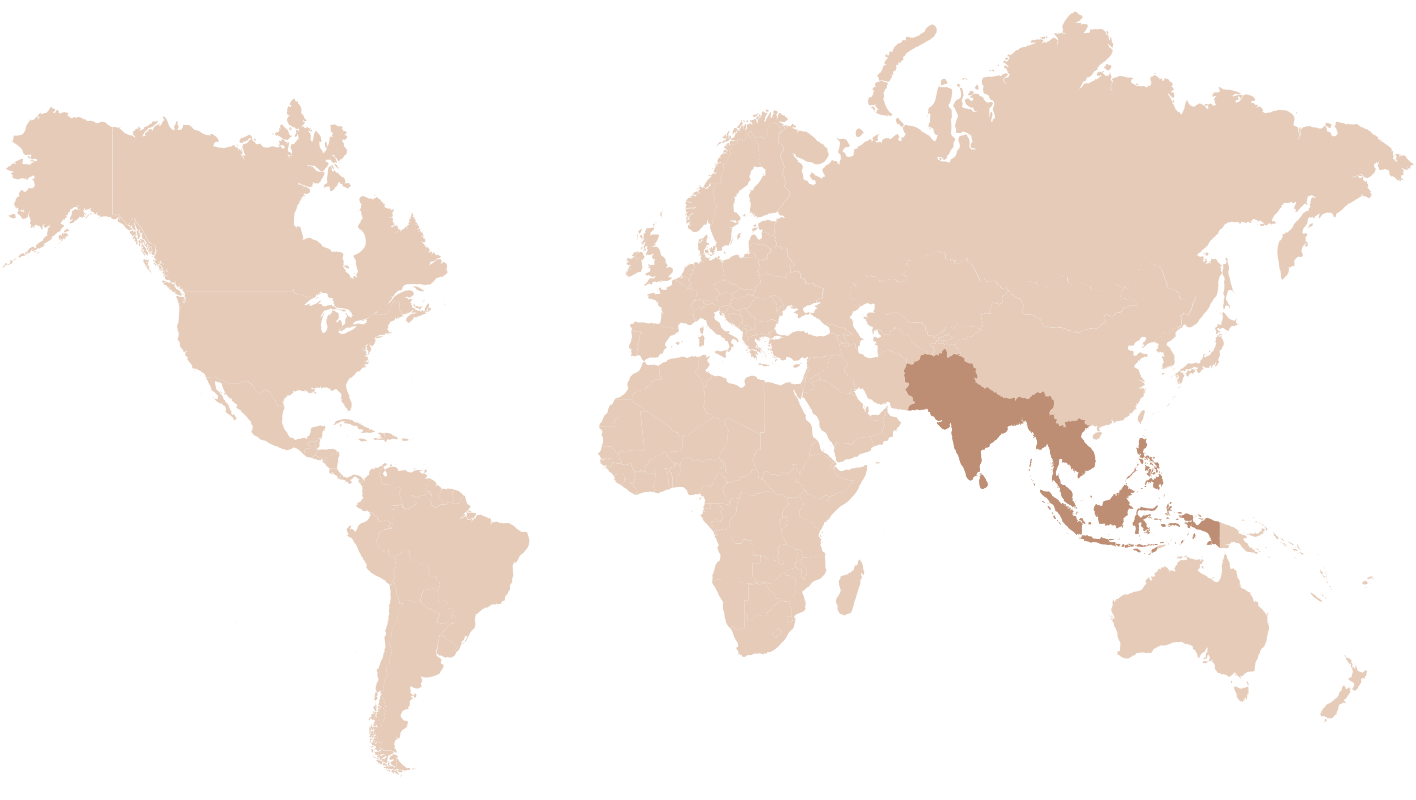
The Ceylon Ironwood tree is native to South and Southeast Asia, particularly India, Sri Lanka, Myanmar, Thailand and Malaysia.
HEIGHT
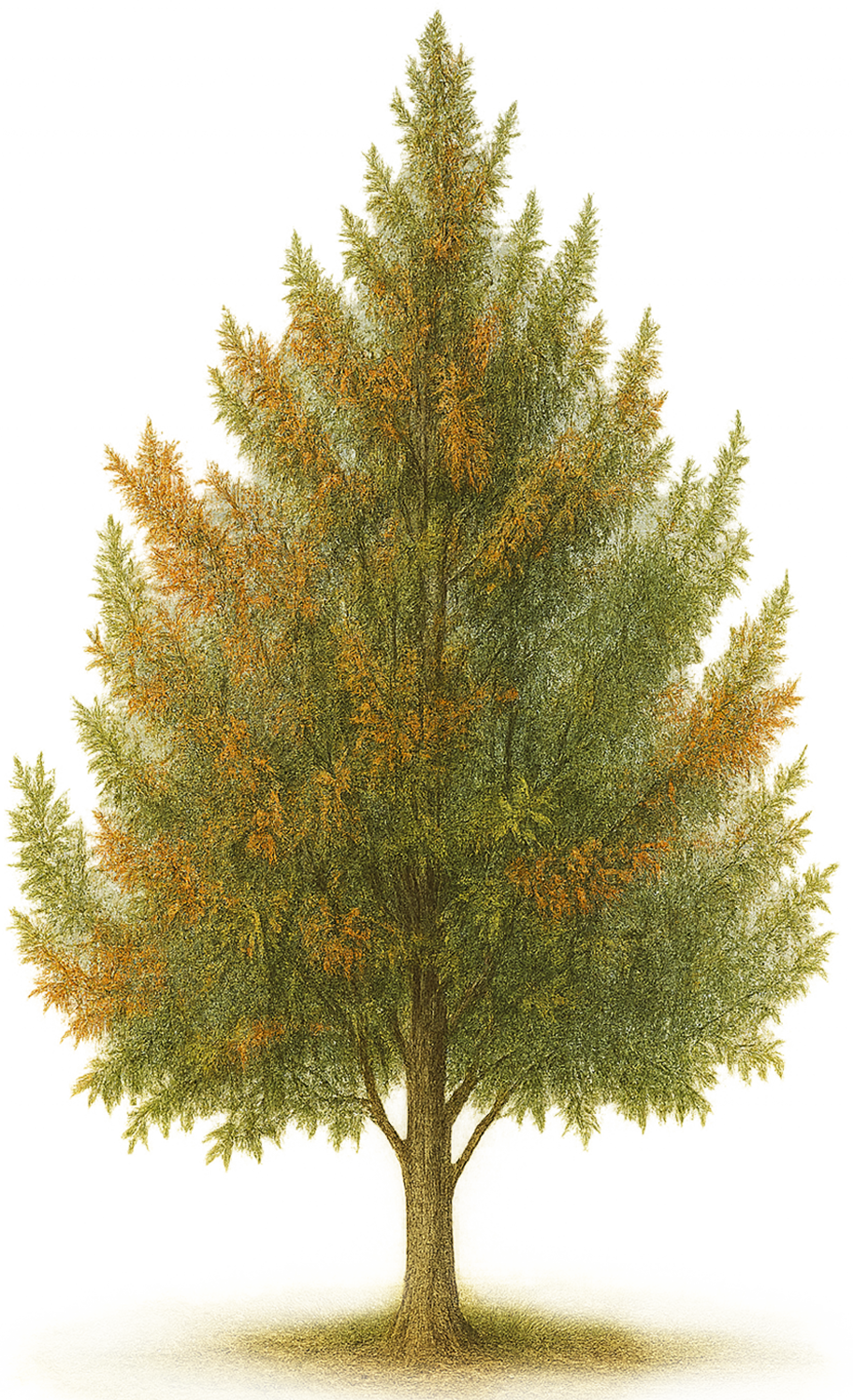
18 - 30 m

CONSERVATION STATUS
Vulnerable on the
IUCN Red List
IUCN RED LIST
Established in 1964, The IUCN Red List is a critical indicator of the health of the world’s biodiversity. Species are classified by the IUCN Red List into nine groups, through criteria such as rate of decline, population size and area of geographic distribution as:
- Extinct (EX) – This species is no longer extant
- Extinct in the wild (EW) – Survives only in captivity, or through cultivation often outside native range
- Critically endangered (CR) – In an extremely critical state
- Endangered (EN) – Very high risk of extinction in the wild
- Vulnerable (VU) – At high risk of unnatural (human-caused) extinction
- Near Threatened (NT) – Close to being endangered in the near future
- Least Concern (LC) – Widespread and abundant in the wild
- Data Deficient (DD) – Inadequate information to assess extinction risk
- Not Evaluated (NE) – Has not yet been assessed
ORIGIN
Native
HEIGHT
18 - 30 m

GEOGRAPHIC RANGE
The Ceylon Ironwood tree is native to South and Southeast Asia, particularly India, Sri Lanka, Myanmar, Thailand and Malaysia.
CONSERVATION STATUS
Vulnerable on the
IUCN Red List
BARK, FOLIAGE, FRUIT & FLOWER
Bark: Thick and strong; used as an astringent in traditional medicine.
Leaves: Young leaves are coppery-red, turning glossy green; used in remedies for inflammation.
Flowers & Fruit: Fragrant white flowers with golden stamens are used medicinally and ritually; seeds yield oil used in medicine and lamps.
Leaves: Young leaves are coppery-red, turning glossy green; used in remedies for inflammation.
Flowers & Fruit: Fragrant white flowers with golden stamens are used medicinally and ritually; seeds yield oil used in medicine and lamps.

GENERAL DESCRIPTION
Ceylon Ironwood is a medium to large evergreen tree growing about 15 - 30 meters tall, with a straight, sturdy trunk and a dense, symmetrical crown. Young leaves emerge in shades of pink, copper or reddish before maturing into glossy dark green. The tree is especially admired for its large, fragrant white flowers, each filled with numerous golden-yellow stamens that create a striking contrast. The wood is extremely hard, heavy and durable, which gives the tree its name "ironwood" and makes it highly valued for long-lasting structural uses.
Read more
MEDICINAL USE
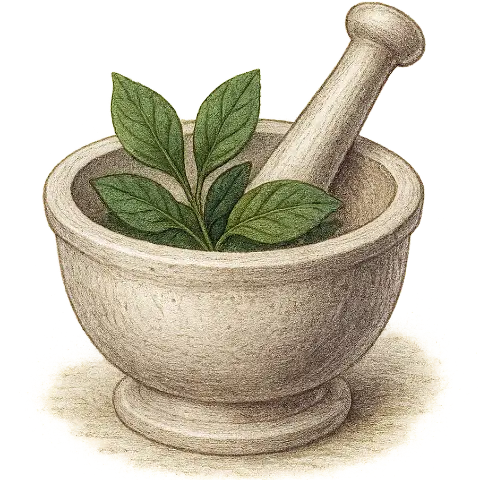
Highly valued in Ayurveda and traditional medicine, the flowers (known as Nagkesar) are used for bleeding disorders, digestive problems, skin ailments, fever and respiratory issues. Seeds yield Nagkesar oil, applied for joint pain, wounds and rheumatism. Bark is used as an astringent for ulcers and skin diseases, while leaves are used in remedies for inflammation and parasitic infections.
Read more
ECOLOGICAL IMPORTANCE
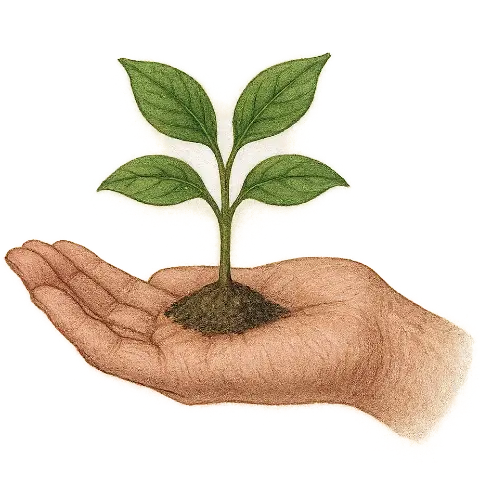
The fragrant flowers provide nectar for bees, butterflies and other pollinators, supporting biodiversity. Its dense evergreen canopy offers deep shade and helps cool surrounding areas. Strong, deep roots stabilize soil, making the tree important for erosion control in hilly and high-rainfall regions.
Read more
CULTURAL SIGNIFICANCE
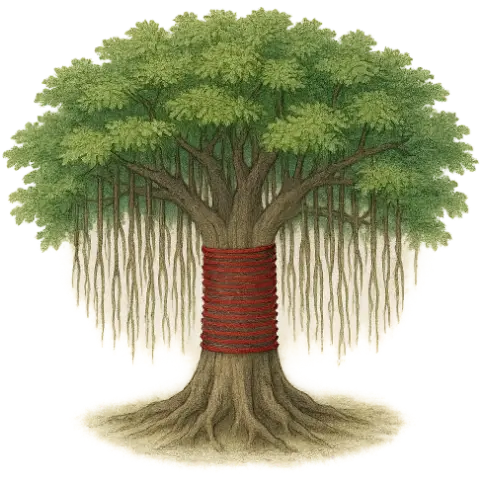
Ceylon Ironwood holds deep spiritual importance and is widely planted in temple complexes and sacred groves. In Buddhism, it is associated with past Buddhas and its flowers symbolize purity, serenity and divine blessings. Nagkesar is an important part of both culinary tradition and medicinal heritage.
Read more
HABITAT
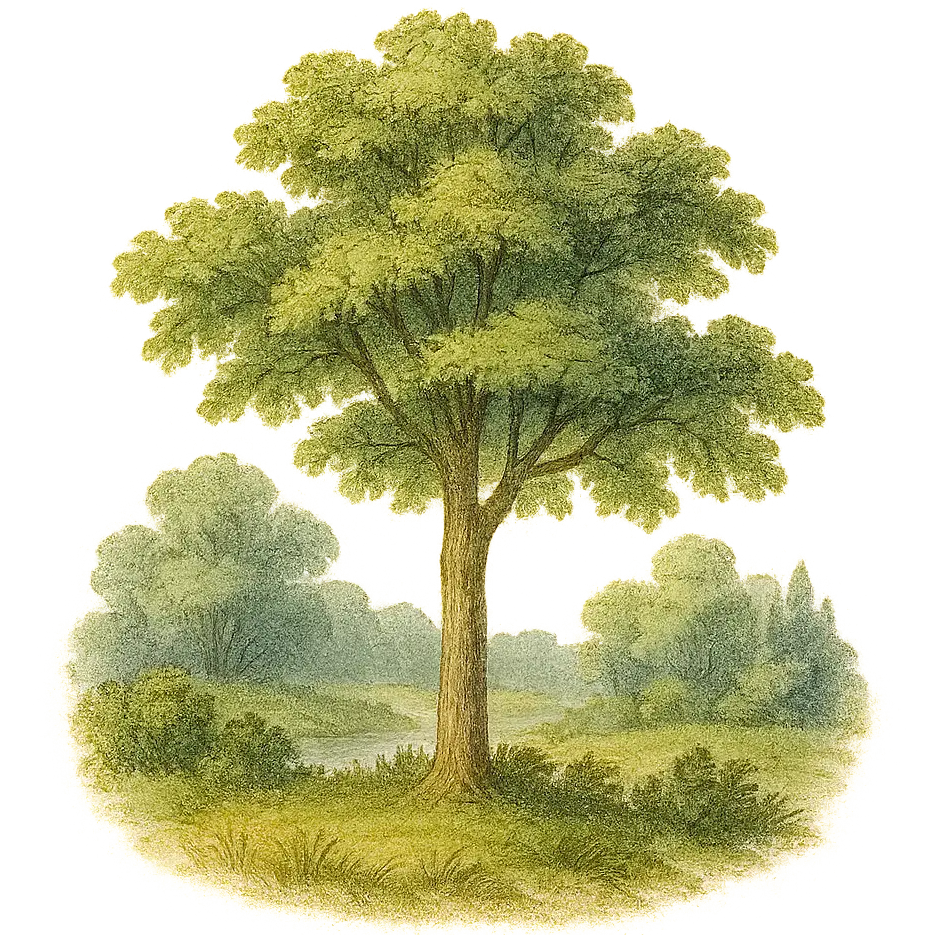
It grows well in tropical evergreen and semi-evergreen forests and prefers moist, hilly region with high rainfall. This tree is also planted as an ornamental in gardens, parks and temples.
Read more
CULINARY USE
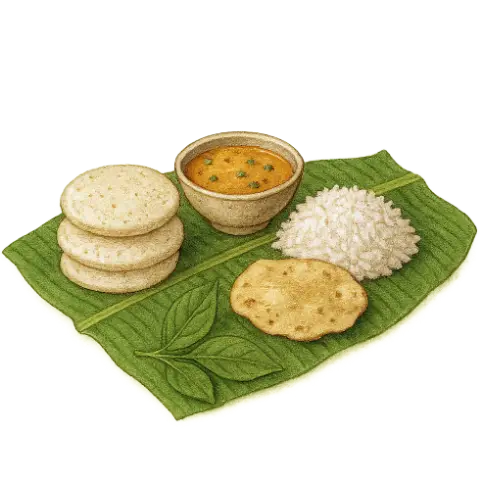
The dried stamens, known as Nagkesar spice, are used in small quantities in Indian cooking. They are added to spice blends, sweets and Ayurvedic formulations, contributing a warm, slightly bitter aroma.
Read more

FOUND HERE
Rodas podium
Read more

DO YOU KNOW?
Ceylon Ironwood produces some of the heaviest and most durable timber in the world and is the National Tree of Sri Lanka.


EARTH CHALLENGE
Why is Mesua ferrea called Ironwood ?