
Nelumbo nucifera,
Nelumbonaceae
Sacred Lotus
AKA: Indian Lotus, Kamal
ORIGIN
Native
GEOGRAPHIC RANGE
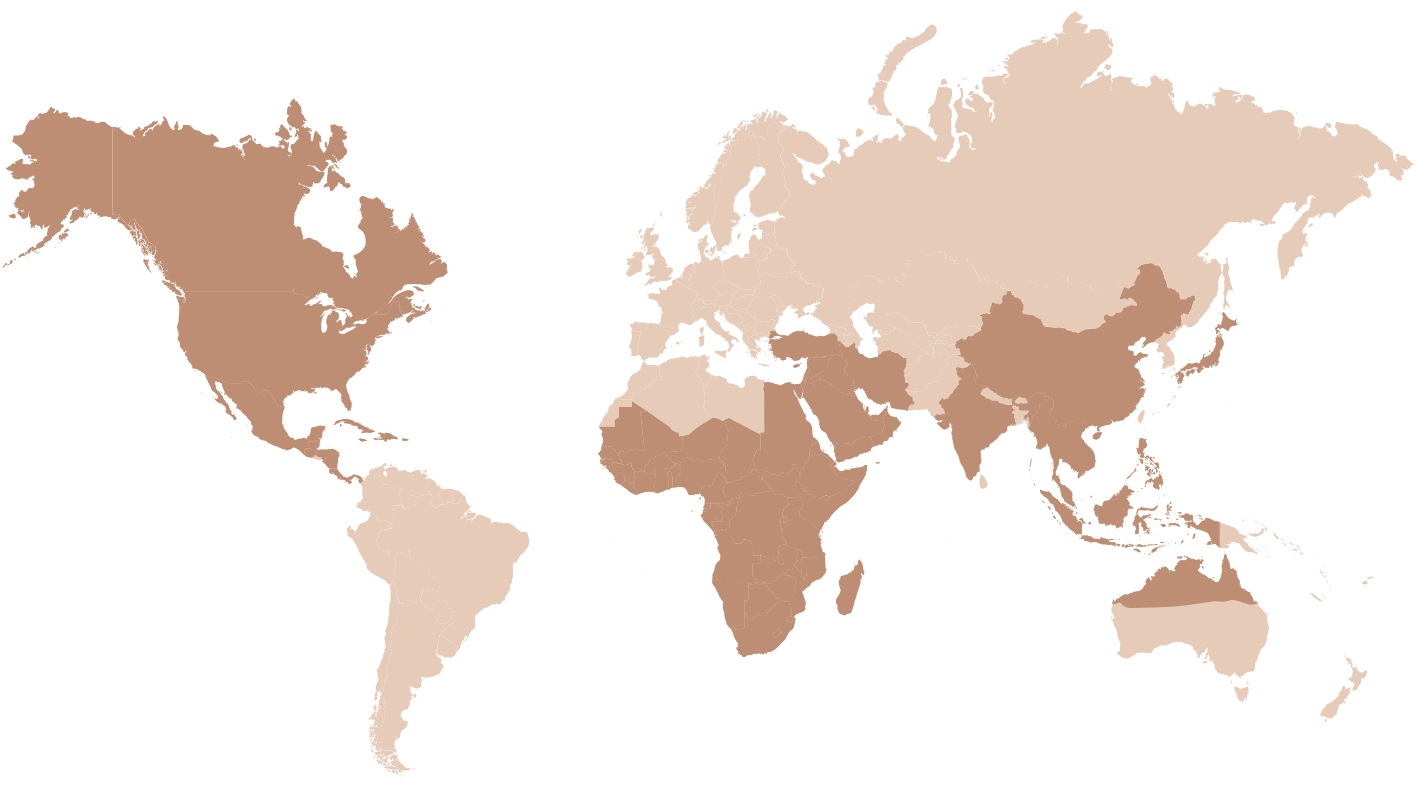
The Sacred Lotus is native to Asia, particularly India, China, Japan and Southeast Asia. It is cultivated across tropical and subtropical regions worldwide, including parts of Australia, the Middle East, Africa and North America, due to its ornamental, cultural and edible value.
HEIGHT
upto 2 m

CONSERVATION STATUS
Least Concern on the
IUCN Red List
IUCN RED LIST
Established in 1964, The IUCN Red List is a critical indicator of the health of the world’s biodiversity. Species are classified by the IUCN Red List into nine groups, through criteria such as rate of decline, population size and area of geographic distribution as:
- Extinct (EX) – This species is no longer extant
- Extinct in the wild (EW) – Survives only in captivity, or through cultivation often outside native range
- Critically endangered (CR) – In an extremely critical state
- Endangered (EN) – Very high risk of extinction in the wild
- Vulnerable (VU) – At high risk of unnatural (human-caused) extinction
- Near Threatened (NT) – Close to being endangered in the near future
- Least Concern (LC) – Widespread and abundant in the wild
- Data Deficient (DD) – Inadequate information to assess extinction risk
- Not Evaluated (NE) – Has not yet been assessed
ORIGIN
Native
HEIGHT
upto 2 m

GEOGRAPHIC RANGE
The Sacred Lotus is native to Asia, particularly India, China, Japan and Southeast Asia. It is cultivated across tropical and subtropical regions worldwide, including parts of Australia, the Middle East, Africa and North America, due to its ornamental, cultural and edible value.
CONSERVATION STATUS
Least Concern on the
IUCN Red List
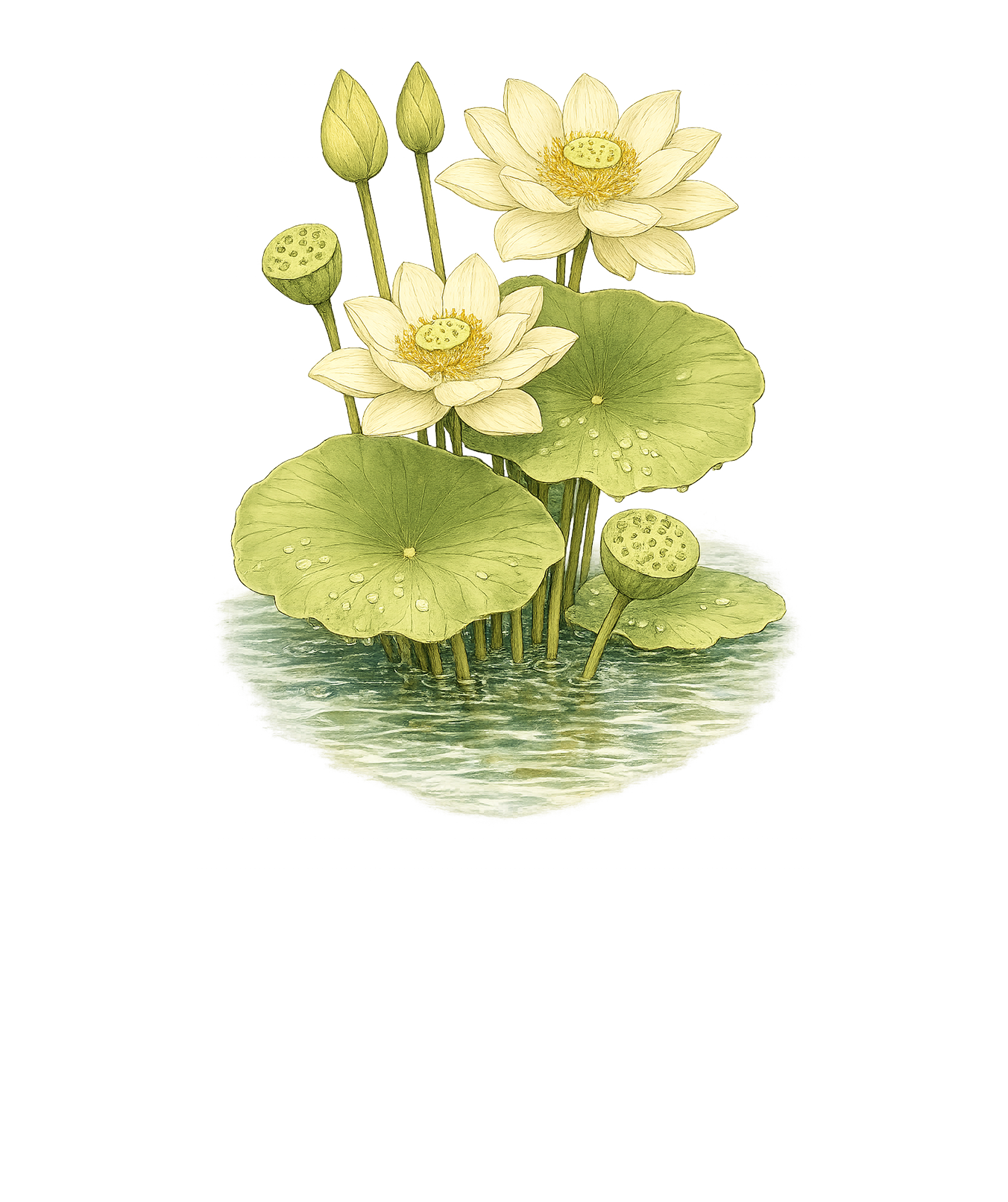
BARK, FOLIAGE, FRUIT & FLOWER
Rhizome (Root): Grows in muddy bottoms; edible, nutritious and widely used in medicine and cooking.
Leaves: Large, circular and water-repellent; used as food wraps and for herbal uses.
Flowers & Seeds: Large, showy flowers bloom above water; distinctive seed pods produce long-lived seeds used medicinally and as food.
Leaves: Large, circular and water-repellent; used as food wraps and for herbal uses.
Flowers & Seeds: Large, showy flowers bloom above water; distinctive seed pods produce long-lived seeds used medicinally and as food.

GENERAL DESCRIPTION
White Lotus is an aquatic perennial plant that grows in calm, shallow water bodies, with its roots anchored in muddy lake or pond bottoms. Large, striking pink or white flowers rise gracefully above the water surface, while broad, circular leaves either float or stand high on long stalks. The plant spreads through thick underground rhizomes that help it survive and regenerate year after year. A distinctive seed pod shaped like a showerhead forms after flowering. Despite growing in mud, the plant remains clean and radiant, making it a powerful symbol of purity and resilience.
Read more
MEDICINAL USE
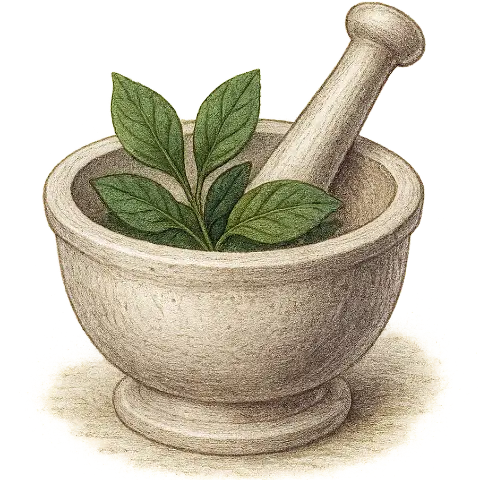
In Ayurvedic, Siddha and Traditional Chinese medicine, lotus flowers, seeds, stamens and rhizomes are widely used. They are known for cooling, calming and astringent properties and are used to manage diarrhea, insomnia, bleeding disorders, inflammation and stress. Lotus seeds support heart health, digestion and blood pressure regulation, while the rhizome provides antioxidants that support liver health and immunity.
Read more
ECOLOGICAL IMPORTANCE
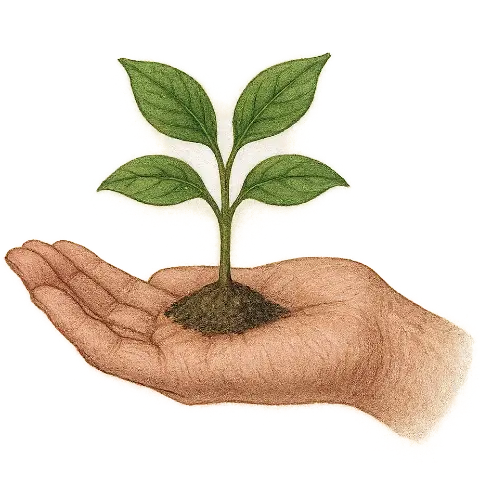
White Lotus plays an important role in freshwater ecosystems. Its dense growth provides habitat and food for aquatic organisms. The plant helps stabilize sediments, reduce water cloudiness and improve water quality. Lotus plants also act as natural biofilters by absorbing excess nutrients, contributing to healthier ponds and lakes.
Read more

CULTURAL SIGNIFICANCE
White Lotus is sacred in Hinduism, Buddhism and Jainism, symbolizing purity, rebirth and spiritual awakening. It is closely associated with divine figures such as Lakshmi, Brahma and Buddha and appears frequently in religious art and temple architecture. The plant is used in rituals, festivals and ceremonies and is the national flower of India and Vietnam.
Read more
HABITAT
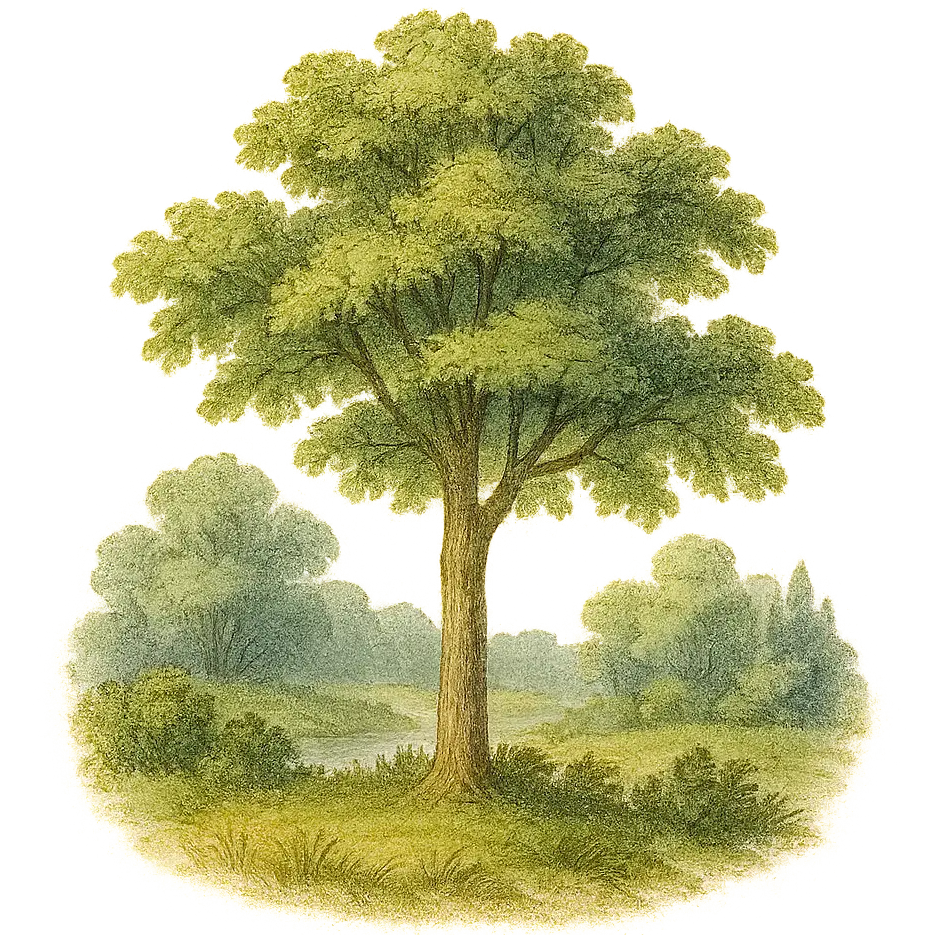
This species of lotus grows naturally in freshwater lakes, ponds, marshes and slow-moving rivers.
Read more
CULINARY USE
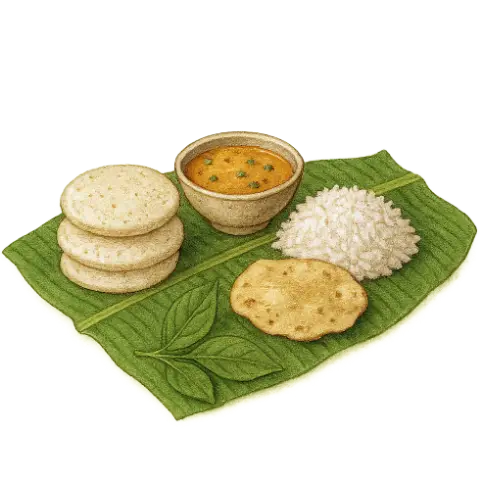
Lotus rhizomes are eaten as a vegetable in soups, curries, stir-fries and pickles. Seeds, often called makhana or lotus nuts, are roasted, powdered or added to sweets and desserts. Petals and leaves are sometimes used as natural food wraps or brewed into herbal teas, making lotus an important plant in Asian cuisine.
Read more

FOUND HERE
Kavesar Lake
Read more

DO YOU KNOW?
The Sacred or White Lotus is only present in Thane at the Kavesar Lake! Lotus seeds can remain viable for more than 1,000 years and ancient seeds have successfully germinated after centuries of dormancy.


EARTH CHALLENGE
What makes the White or Sacred Lotus a powerful cultural symbol?