
Oroxylum indicum,
Bignoniaceae
Indian Trumpet Flower
AKA: Tetu
ORIGIN
Native
GEOGRAPHIC RANGE
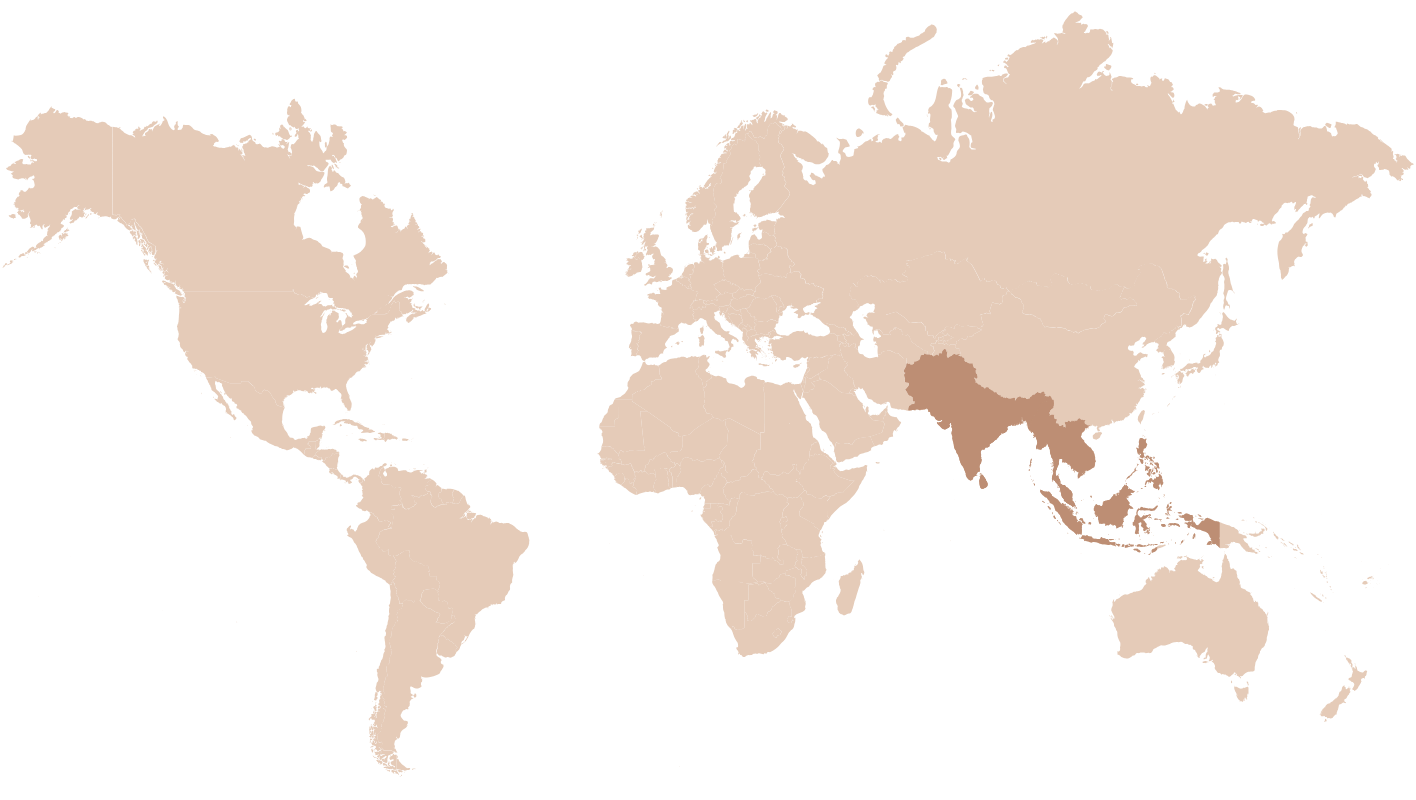
Indian Trumpet Flower is native to South and Southeast Asia, including India, Nepal, Bhutan, Sri Lanka, Myanmar, Thailand and Malaysia.
HEIGHT
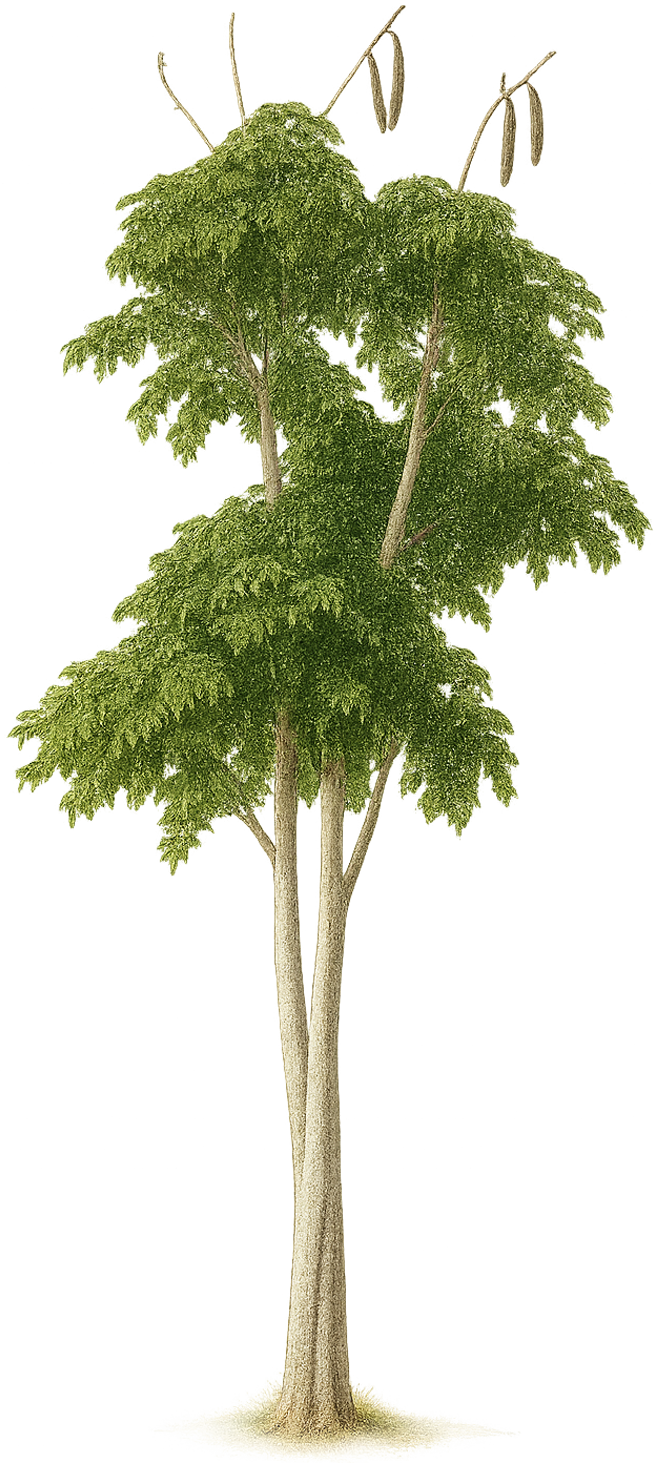
10 - 18 m

CONSERVATION STATUS
Vulnerable on the
IUCN Red List
IUCN RED LIST
Established in 1964, The IUCN Red List is a critical indicator of the health of the world’s biodiversity. Species are classified by the IUCN Red List into nine groups, through criteria such as rate of decline, population size and area of geographic distribution as:
- Extinct (EX) – This species is no longer extant
- Extinct in the wild (EW) – Survives only in captivity, or through cultivation often outside native range
- Critically endangered (CR) – In an extremely critical state
- Endangered (EN) – Very high risk of extinction in the wild
- Vulnerable (VU) – At high risk of unnatural (human-caused) extinction
- Near Threatened (NT) – Close to being endangered in the near future
- Least Concern (LC) – Widespread and abundant in the wild
- Data Deficient (DD) – Inadequate information to assess extinction risk
- Not Evaluated (NE) – Has not yet been assessed
ORIGIN
Native
HEIGHT
10 - 18 m

GEOGRAPHIC RANGE
Indian Trumpet Flower is native to South and Southeast Asia, including India, Nepal, Bhutan, Sri Lanka, Myanmar, Thailand and Malaysia.
CONSERVATION STATUS
Vulnerable on the
IUCN Red List
BARK, FOLIAGE, FRUIT & FLOWER
Bark: Medicinally important; used for respiratory, inflammatory and digestive disorders.
Leaves: Very large and tripinnate; used externally for wound healing and skin problems.
Flowers & Fruit: Night-blooming, bat-pollinated flowers; long sword-shaped pods contain winged seeds dispersed by wind.
Leaves: Very large and tripinnate; used externally for wound healing and skin problems.
Flowers & Fruit: Night-blooming, bat-pollinated flowers; long sword-shaped pods contain winged seeds dispersed by wind.

GENERAL DESCRIPTION
Indian Trumpet Flower is a medium-sized deciduous tree growing about 8 - 15 meters tall, with a straight trunk and a sparse, umbrella-shaped crown. It is instantly recognizable by its enormous, hanging, sword-like seed pods that can grow up to a meter long. The leaves are very large and tripinnate, meaning each leaf is divided into many smaller leaflets arranged on branching stalks. The tree produces striking bell-shaped flowers that are dark purple to brown and bloom only at night. These flowers fall by morning and are specially adapted for bat pollination. The bark and roots are among the most valuable medicinal parts of the tree.
Read more
MEDICINAL USE
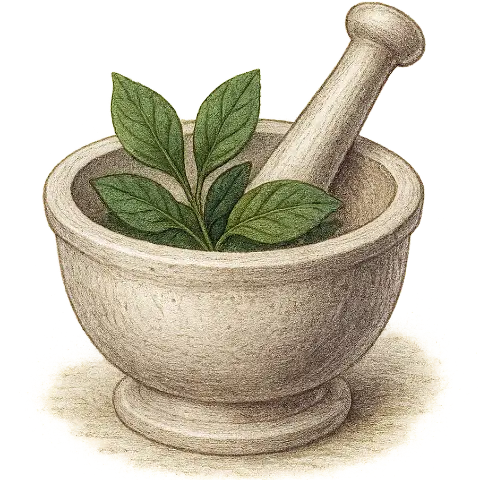
Highly revered in Ayurveda, this tree is one of the ten roots that form Dashamoola, a major group of medicinal plants. The bark and roots are used to treat inflammation, asthma, bronchitis, fever, diarrhea and joint pain. Leaves are applied externally for wounds and skin disorders. Seeds are used for digestive issues and anemia, while young fruits are valued for antioxidant and digestive benefits. The plant shows anti-inflammatory, antimicrobial, liver-protective and immune-supporting properties.
Read more
ECOLOGICAL IMPORTANCE
Indian Trumpet Flower plays a unique ecological role by supporting nocturnal pollinators such as bats and moths. Its lightweight, winged seeds are dispersed by wind, allowing the species to spread over wide areas. The tree's deep root system helps stabilize soil, especially on slopes and disturbed land, contributing to ecological restoration.
Read more

CULTURAL SIGNIFICANCE
Known as Shyonaka in Ayurveda, the tree is deeply respected and appears in numerous classical medicinal formulations. In tribal and rural traditions, it is regarded as protective and sacred due to its unusual night-blooming nature. Because of heavy medicinal harvesting and declining wild populations, it is increasingly included in conservation and cultivation programs.
Read more

HABITAT
This tree grows well in moist deciduous forests, secondary forests and along riverbanks in tropical to subtropical regions up to an elevation of 1200 m.
Read more
CULINARY USE
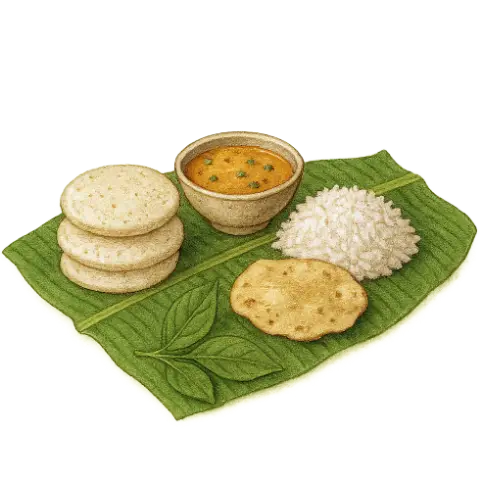
Young, tender pods are eaten as a vegetable in northeastern India, particularly in Assam, Nagaland and Manipur, where they are stir-fried or cooked in curries. In some tribal communities, roasted seeds are also used in traditional dishes.
Read more

FOUND HERE
Tennis Court Garden
Read more

DO YOU KNOW?
The long, dangling seed pods give the tree the dramatic nickname "Tree of Damocles," while its night-blooming flowers have earned it the name "Midnight Horror."


EARTH CHALLENGE
What makes the Indian Trumpet Flower s pollination unique?