
Plumeria alba,
Apocynaceae
White Frangipani
AKA: Chafa, Champa
ORIGIN
Introduced
GEOGRAPHIC RANGE
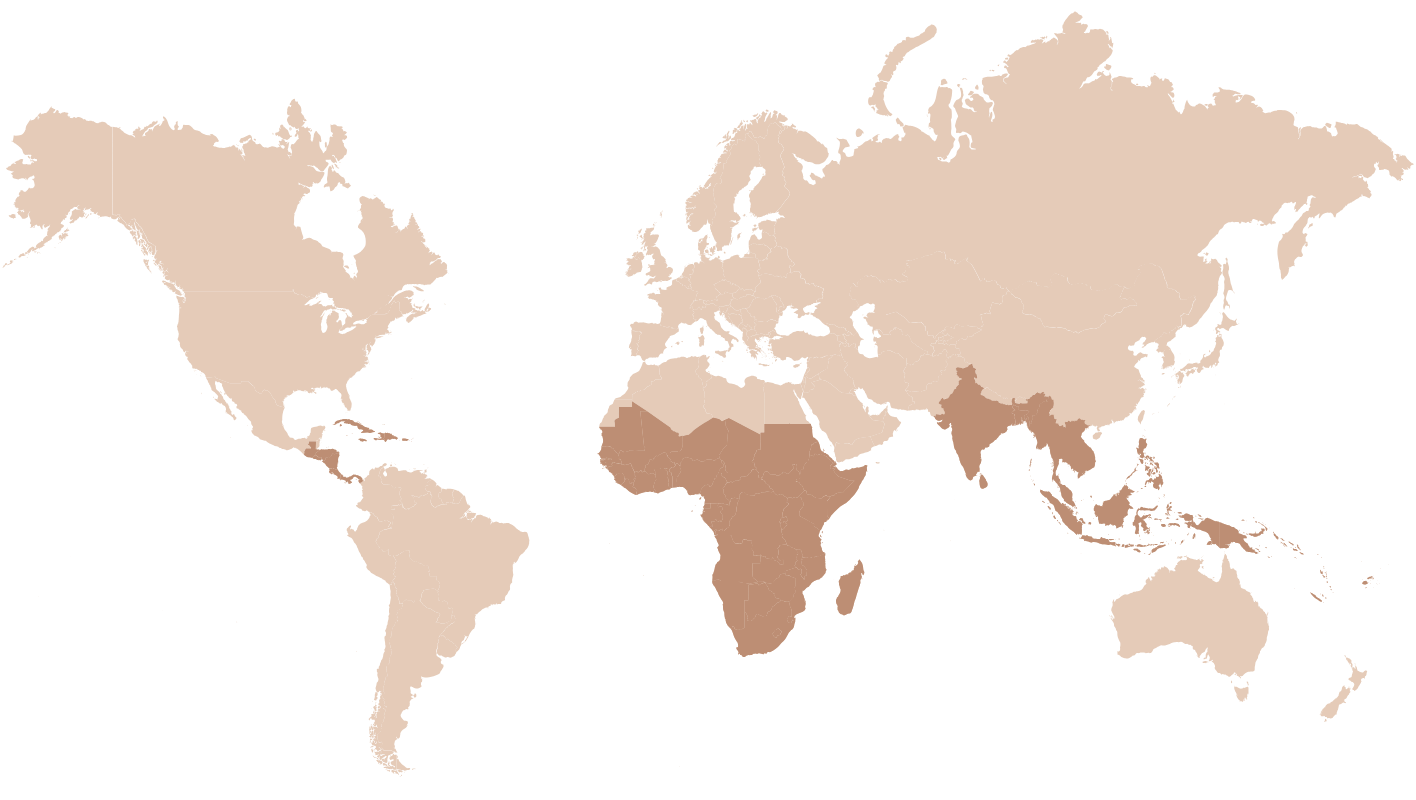
The White Frangipani is native to the Caribbean islands and Central America but it is now widely cultivated across South Asia in India, Sri Lanka and Bangladesh, Southeast Asia, tropical Africa and the Pacific Islands.
HEIGHT
3 - 10 m

CONSERVATION STATUS
Least Concern on the
IUCN Red List
IUCN RED LIST
Established in 1964, The IUCN Red List is a critical indicator of the health of the world’s biodiversity. Species are classified by the IUCN Red List into nine groups, through criteria such as rate of decline, population size and area of geographic distribution as:
- Extinct (EX) – This species is no longer extant
- Extinct in the wild (EW) – Survives only in captivity, or through cultivation often outside native range
- Critically endangered (CR) – In an extremely critical state
- Endangered (EN) – Very high risk of extinction in the wild
- Vulnerable (VU) – At high risk of unnatural (human-caused) extinction
- Near Threatened (NT) – Close to being endangered in the near future
- Least Concern (LC) – Widespread and abundant in the wild
- Data Deficient (DD) – Inadequate information to assess extinction risk
- Not Evaluated (NE) – Has not yet been assessed
ORIGIN
Introduced
HEIGHT
3 - 10 m
GEOGRAPHIC RANGE
The White Frangipani is native to the Caribbean islands and Central America but it is now widely cultivated across South Asia in India, Sri Lanka and Bangladesh, Southeast Asia, tropical Africa and the Pacific Islands.
CONSERVATION STATUS
Least Concern on the
IUCN Red List
BARK, FOLIAGE, FRUIT & FLOWER
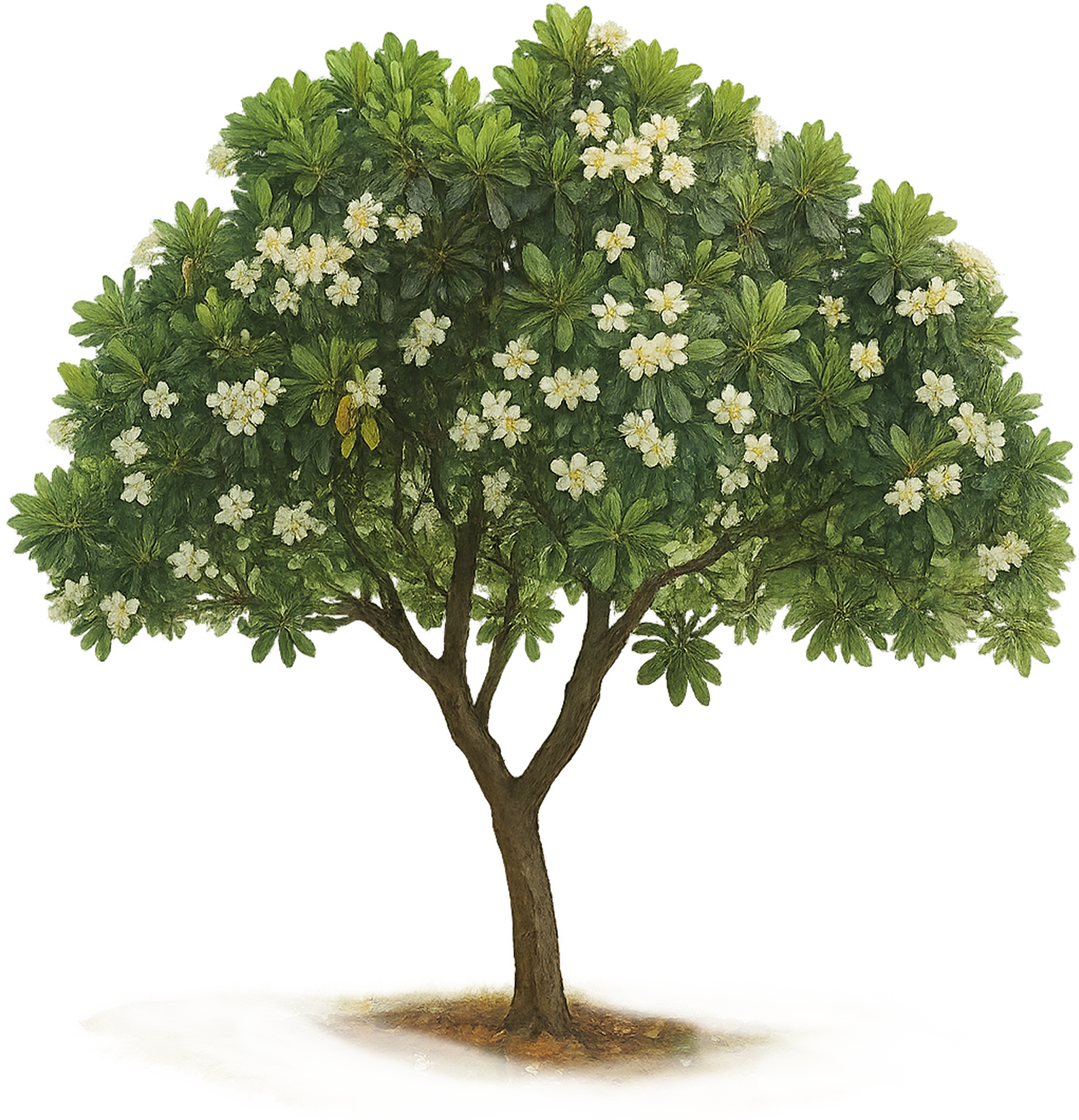
Bark: Smooth and grey; used in traditional medicine for fever and digestion.
Leaves: Large and oblong; used as poultices for swelling and skin conditions.
Flowers & Fruit: White, strongly fragrant flowers bloom throughout warm seasons, especially at night; flowers are used in rituals and aromatics, while latex from the plant is mildly toxic.
Leaves: Large and oblong; used as poultices for swelling and skin conditions.
Flowers & Fruit: White, strongly fragrant flowers bloom throughout warm seasons, especially at night; flowers are used in rituals and aromatics, while latex from the plant is mildly toxic.

GENERAL DESCRIPTION
White Frangipani is a small to medium-sized deciduous tree growing about 3 - 8 meters tall, with a spreading, umbrella-like crown and thick, smooth, grey branches that store water. The leaves are large, oblong and deep green, clustered at the tips of branches. The tree is best known for its elegant white flowers with a yellow centre and five overlapping petals. These flowers release a strong, sweet fragrance that becomes more intense at night. A milky latex flows from cut parts of the plant; this latex is mildly toxic and can cause skin irritation. The tree is highly valued for its ornamental beauty, drought tolerance and aromatic blooms.
Read more
MEDICINAL USE
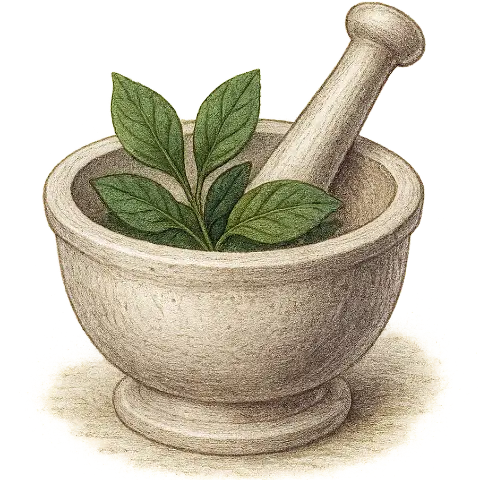
In traditional medicine, different parts of the plant are used with care. The bark is used as a purgative and for treating fever and digestive issues. Leaves are applied as poultices for swelling, bruises and skin infections. Flowers are used in herbal teas for relaxation, cooling the body and relieving headaches. The latex is applied externally to treat warts, fungal infections and other skin problems, but must be used cautiously due to its toxicity. The plant shows anti-inflammatory, antimicrobial, antioxidant and analgesic properties.
Read more
ECOLOGICAL IMPORTANCE
White Frangipani attracts bees, butterflies and night-flying moths, supporting pollinator diversity, especially nocturnal species. Its thick, water-storing branches allow it to survive long dry periods, making it well adapted to warm and arid climates. Because of this hardiness, it is widely used in landscaping and urban green spaces in tropical regions.
Read more
CULTURAL SIGNIFICANCE
White Frangipani is widely used in temple offerings, rituals and spiritual ceremonies across India and Southeast Asia. It symbolizes devotion, purity, immortality and life after death and is often planted in temples, monasteries and cemeteries for its calm and serene presence. In Hawaiian and Polynesian cultures, it represents hospitality and friendship and its flowers are commonly used to make garlands.
Read more
HABITAT
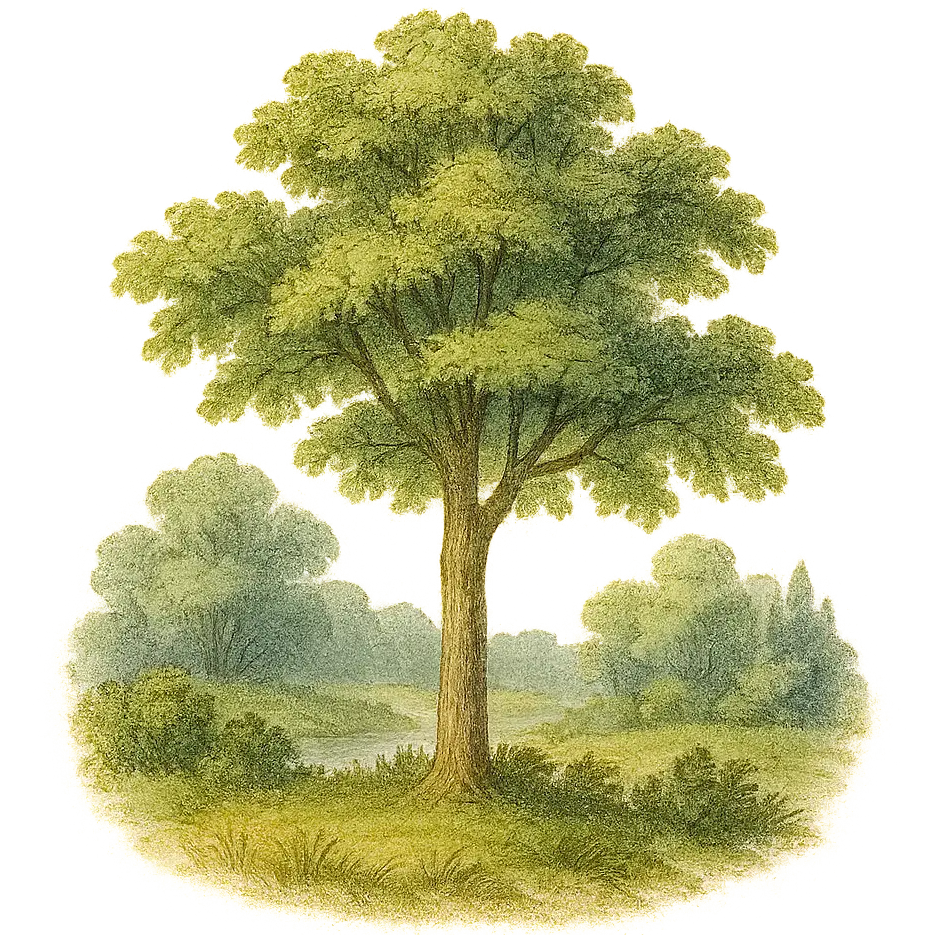
White Frangipani thrives in warm tropical and subtropical climates growin in well-drained soils. It needs abundant sunlight and is often planted in gardens, temples, cemeteries and along avenues.
Read more
CULINARY USE
White Frangipani is not used as food. Its latex makes it unsuitable for consumption. Flowers may occasionally be placed decoratively in beverages or cultural dishes, but they are not eaten.
Read more

FOUND HERE
Apollo
Read more

DO YOU KNOW?
The name "Frangipani" does not come from the plant itself it comes from an Italian perfumer who created a fragrance similar to the flower's scent.


EARTH CHALLENGE
Why is White Frangipani well suited to dry climates?