
Pongamia pinnata,
Fabaceae
Indian Beech
AKA: Karanj
ORIGIN
Native
GEOGRAPHIC RANGE
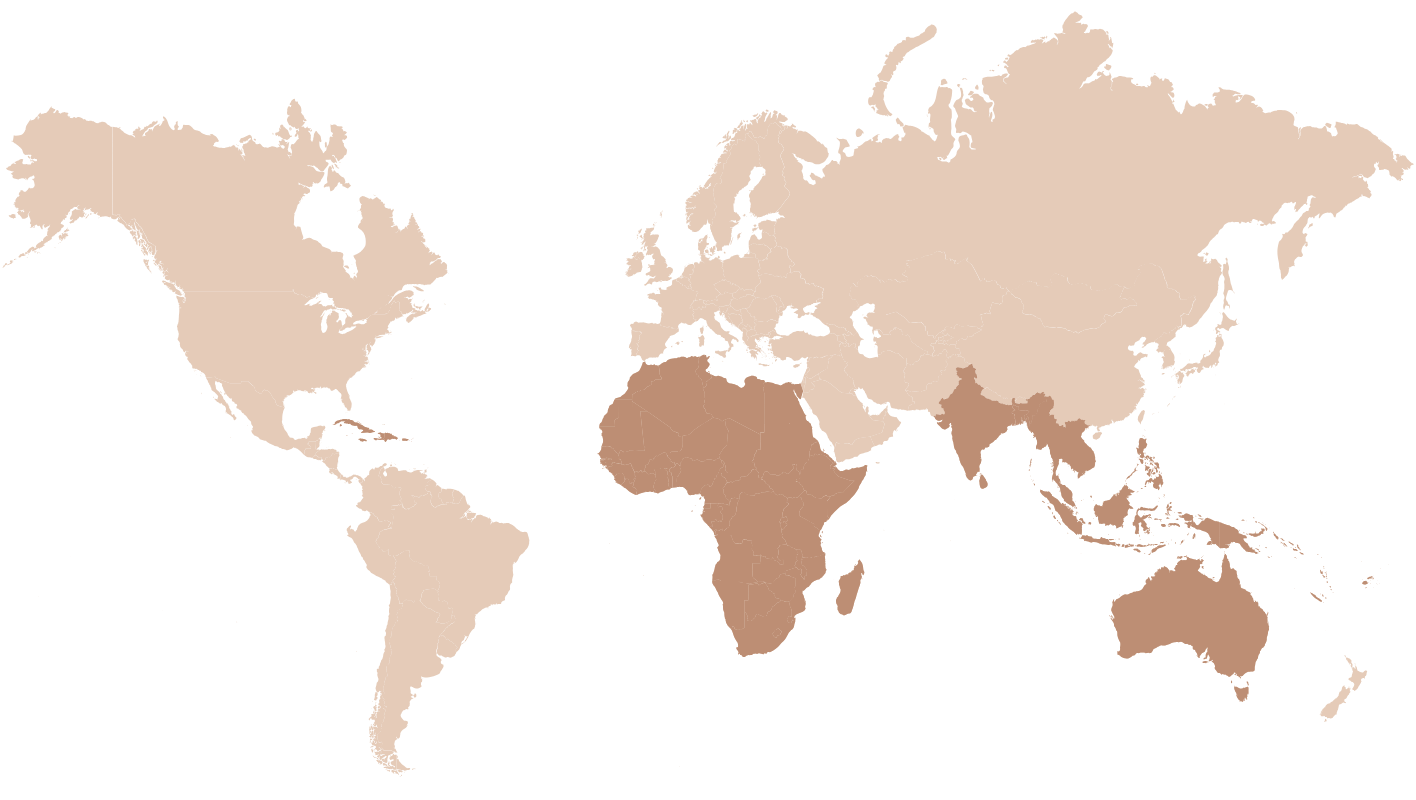
The Indian Beech is native to India, Bangladesh, Sri Lanka, Myanmar and most of Southeast Asia. It is widely cultivated and naturalized across the Pacific Islands, Australia, Africa and the Caribbean.
HEIGHT
15 - 25 m

CONSERVATION STATUS
Least Concern on the
IUCN Red List
IUCN RED LIST
Established in 1964, The IUCN Red List is a critical indicator of the health of the world’s biodiversity. Species are classified by the IUCN Red List into nine groups, through criteria such as rate of decline, population size and area of geographic distribution as:
- Extinct (EX) – This species is no longer extant
- Extinct in the wild (EW) – Survives only in captivity, or through cultivation often outside native range
- Critically endangered (CR) – In an extremely critical state
- Endangered (EN) – Very high risk of extinction in the wild
- Vulnerable (VU) – At high risk of unnatural (human-caused) extinction
- Near Threatened (NT) – Close to being endangered in the near future
- Least Concern (LC) – Widespread and abundant in the wild
- Data Deficient (DD) – Inadequate information to assess extinction risk
- Not Evaluated (NE) – Has not yet been assessed
ORIGIN
Native
HEIGHT
15 - 25 m
GEOGRAPHIC RANGE
The Indian Beech is native to India, Bangladesh, Sri Lanka, Myanmar and most of Southeast Asia. It is widely cultivated and naturalized across the Pacific Islands, Australia, Africa and the Caribbean.
CONSERVATION STATUS
Least Concern on the
IUCN Red List
BARK, FOLIAGE, FRUIT & FLOWER
Bark: Thick and medicinally used for digestive and oral health remedies.
Leaves: Glossy and pinnate; used for wound healing, fever and inflammation.
Flowers & Fruit: Fragrant flowers bloom in clusters; woody pods contain oil-rich seeds used for medicinal oil and biofuel.
Leaves: Glossy and pinnate; used for wound healing, fever and inflammation.
Flowers & Fruit: Fragrant flowers bloom in clusters; woody pods contain oil-rich seeds used for medicinal oil and biofuel.

GENERAL DESCRIPTION
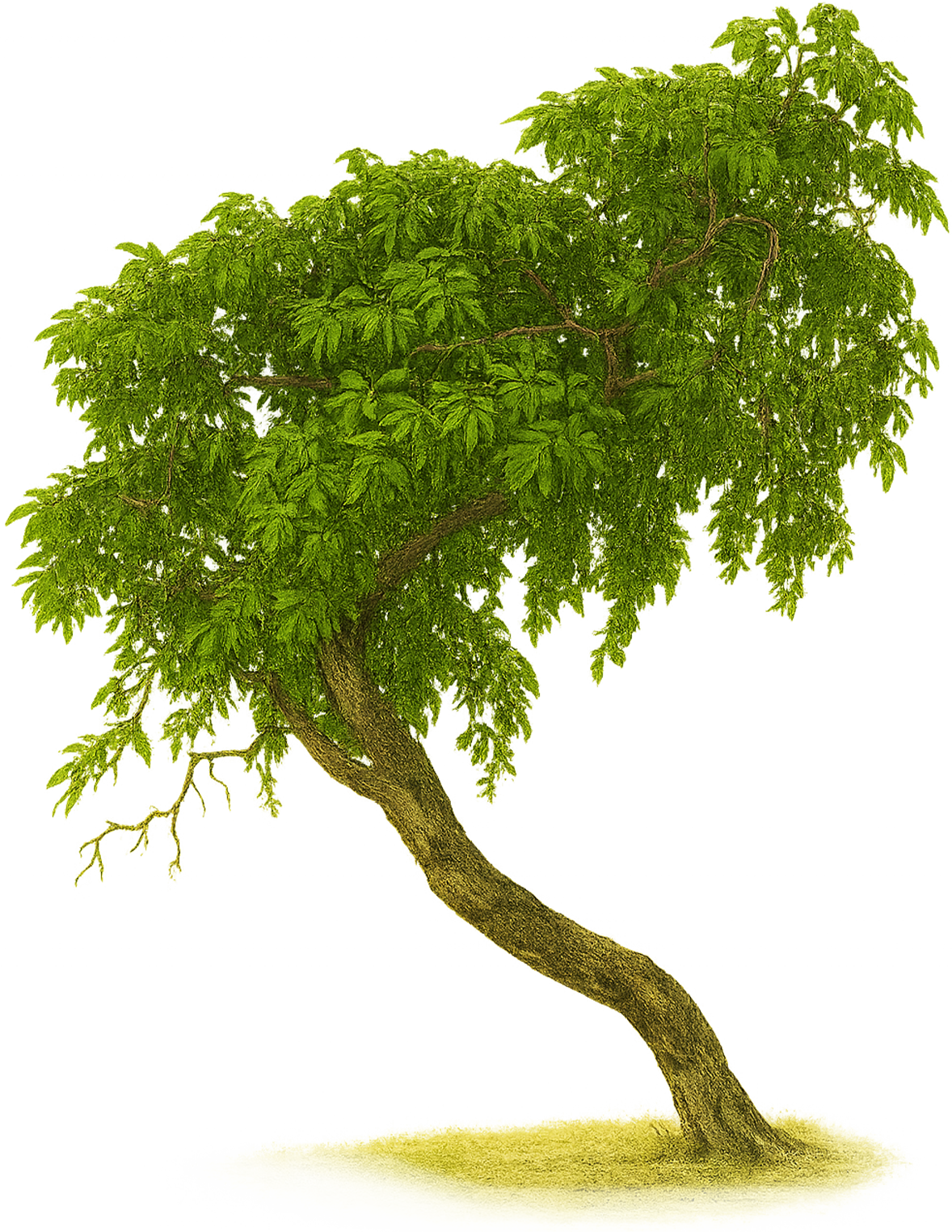
Indian Beech is a medium-sized, fast-growing evergreen tree that reaches about 10 - 20 meters in height, with a short, sturdy trunk and a wide-spreading, dense crown. The leaves are glossy, dark green and pinnate, made up of 5 - 7 oval leaflets that give the tree a lush appearance year-round. Clusters of fragrant flowers appear in shades of white to pinkish-lavender, followed by thick, woody pods containing one or two oil-rich seeds. The tree is especially valued for these seeds, which yield karanja oil. Extremely hardy, Indian Beech thrives in coastal regions, saline soils, drought-prone areas and polluted urban environments.
Read more
MEDICINAL USE
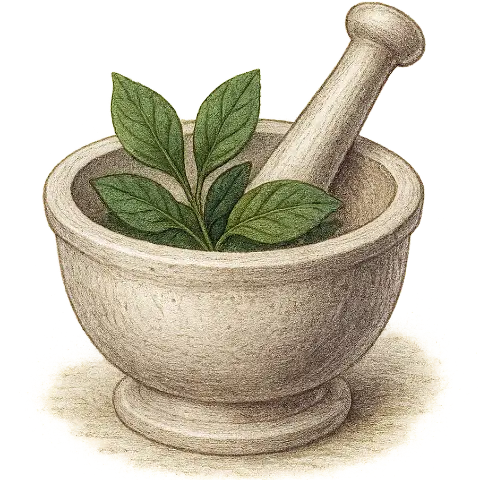
Widely used in Ayurveda, Siddha, Unani and folk medicine, karanja oil extracted from the seeds is applied for skin diseases such as eczema, psoriasis, fungal infections and joint pain due to its antibacterial and anti-inflammatory properties. Leaves are used for treating cough, fever, diarrhea, wounds and inflammation. Bark is used for bleeding gums, ulcers and digestive problems. Roots are used as a tonic and in remedies for infections and snake bites. Flowers are occasionally included in herbal preparations for diabetes and digestion.
Read more
ECOLOGICAL IMPORTANCE
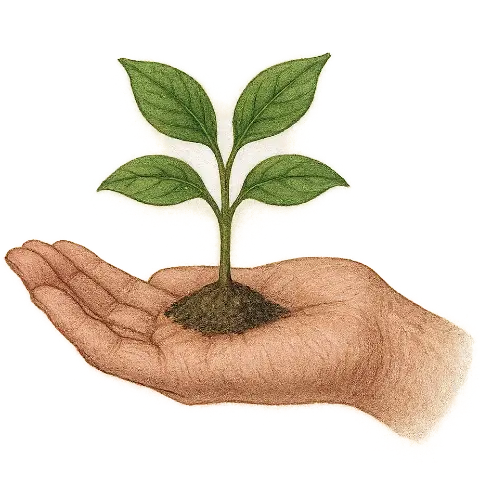
As a nitrogen-fixing tree, Indian Beech improves soil fertility and supports surrounding plant growth. Its strong root system helps stabilize soil and prevent erosion along coastlines, riverbanks and degraded lands. The tree's tolerance to salinity, drought and pollution makes it ideal for reforestation and land restoration projects. Its flowers attract bees and butterflies, while the canopy provides shelter for birds and shade for livestock.
Read more
CULTURAL SIGNIFICANCE
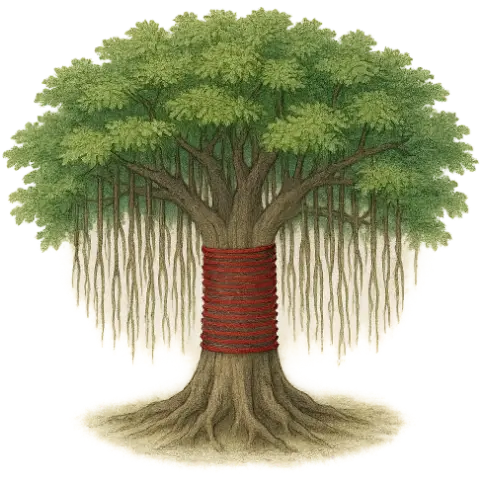
In Indian tradition, Indian Beech is considered sacred and is often planted near temples for purification and protection. It plays an important role in agroforestry by enriching soil, providing shade and supporting sustainable farming systems. The tree is widely used in community forestry and biofuel initiatives, contributing to rural livelihoods, especially in regions where few other crops can survive.
Read more
HABITAT
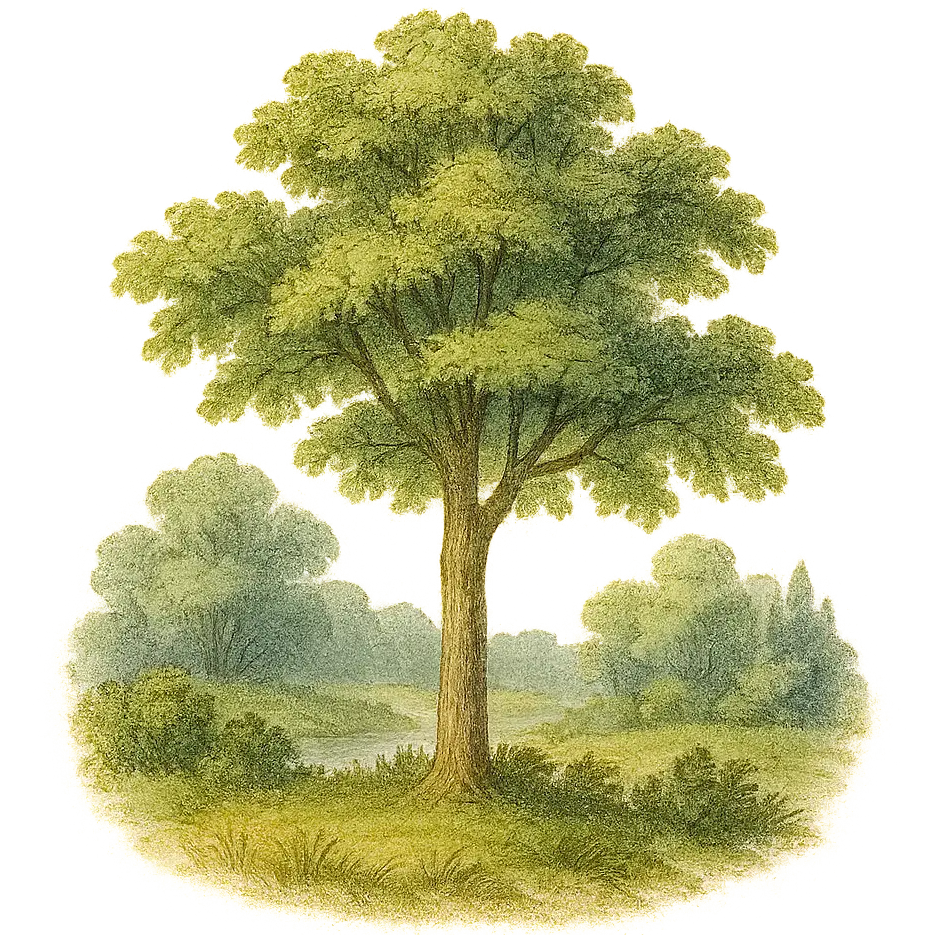
This tree thrives in tropical and subtropical climates, growing well in coastal areas and riverbanks. It can also be grown in rocky or saline soils and degraded lands and requires moderate to high rainfall.
Read more
CULINARY USE
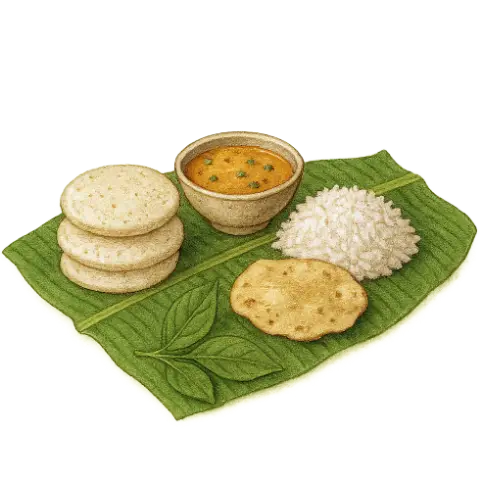
Indian Beech is not used as a food plant. The seeds and oil are toxic if consumed. In rare and controlled traditional practices, flowers may be used in mild herbal infusions, but this is uncommon.
Read more

FOUND HERE
Kavesar Garden
Read more

DO YOU KNOW?
Indian Beech is one of the few trees whose seeds produce oil suitable for biofuel, making it an important renewable energy resource.


EARTH CHALLENGE
Why is Indian Beech important for land restoration projects?