
Putranjiva roxburghii,
Putranjivaceae
Putranjiva
AKA: Jeevanputra, Patrvanti
ORIGIN
Native
GEOGRAPHIC RANGE
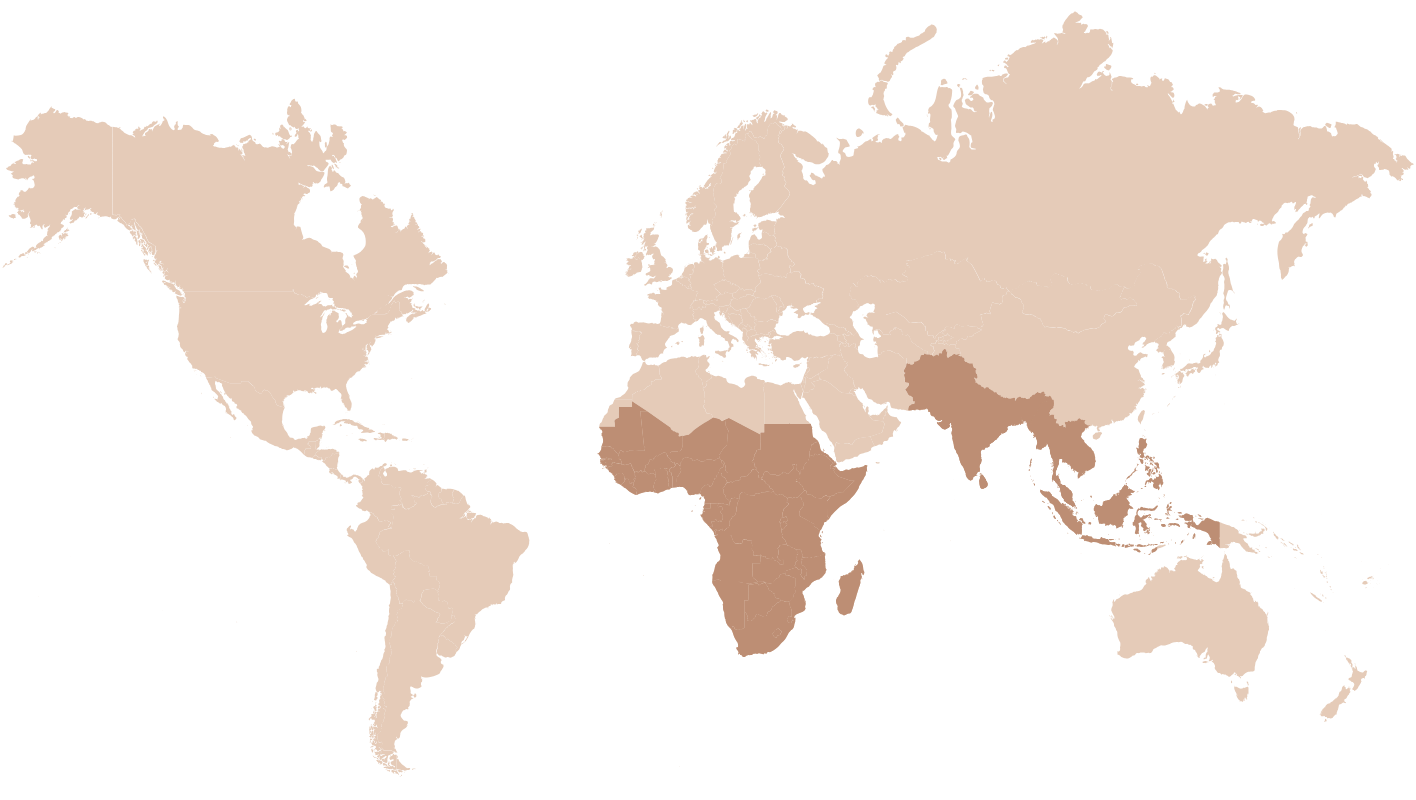
Putranjiva is native to the Indian subcontinent and Southeast Asia, including India, Nepal, Bangladesh, Sri Lanka, Myanmar, Thailand and Malaysia. It has been introduced to tropical Africa and Southeast Asian countries as a decorative species.
HEIGHT
10 - 15 m

CONSERVATION STATUS
Least Concern on the
IUCN Red List
IUCN RED LIST
Established in 1964, The IUCN Red List is a critical indicator of the health of the world’s biodiversity. Species are classified by the IUCN Red List into nine groups, through criteria such as rate of decline, population size and area of geographic distribution as:
- Extinct (EX) – This species is no longer extant
- Extinct in the wild (EW) – Survives only in captivity, or through cultivation often outside native range
- Critically endangered (CR) – In an extremely critical state
- Endangered (EN) – Very high risk of extinction in the wild
- Vulnerable (VU) – At high risk of unnatural (human-caused) extinction
- Near Threatened (NT) – Close to being endangered in the near future
- Least Concern (LC) – Widespread and abundant in the wild
- Data Deficient (DD) – Inadequate information to assess extinction risk
- Not Evaluated (NE) – Has not yet been assessed
ORIGIN
Native
HEIGHT
10 - 15 m
GEOGRAPHIC RANGE
Putranjiva is native to the Indian subcontinent and Southeast Asia, including India, Nepal, Bangladesh, Sri Lanka, Myanmar, Thailand and Malaysia. It has been introduced to tropical Africa and Southeast Asian countries as a decorative species.
CONSERVATION STATUS
Least Concern on the
IUCN Red List
BARK, FOLIAGE, FRUIT & FLOWER
Bark: Thick and greyish-brown; used in traditional remedies for pain and inflammation.
Leaves: Glossy and bay leaf - like; used in folk medicine and valued for year-round shade.
Flowers & Fruit: Small yellowish-green flowers form clusters; fruits contain hard, smooth seeds used medicinally and symbolically.
Leaves: Glossy and bay leaf - like; used in folk medicine and valued for year-round shade.
Flowers & Fruit: Small yellowish-green flowers form clusters; fruits contain hard, smooth seeds used medicinally and symbolically.

GENERAL DESCRIPTION
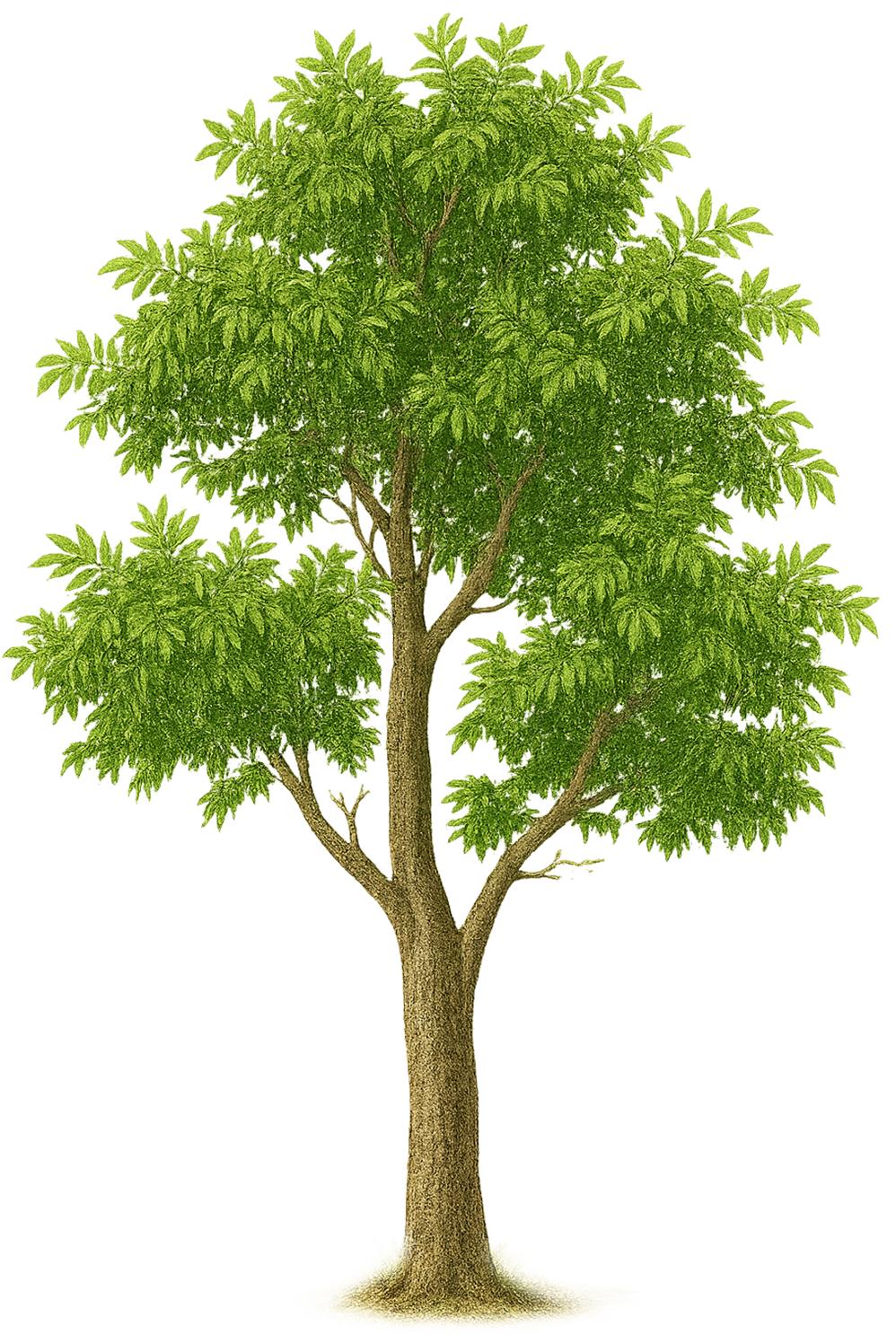
Putranjiva is an evergreen tree growing about 10 - 15 meters tall, with a straight trunk, thick greyish-brown bark and gracefully drooping branches that form a dense, rounded canopy. The leaves are simple, alternate, glossy and dark green, closely resembling bay leaves, which gives the tree a neat and elegant appearance throughout the year. Small yellowish-green, unisexual flowers appear in clusters, followed by elliptical fruits containing a single hard, smooth stone-like seed. The tree is hardy, tolerant of dry conditions and urban pollution and is commonly planted along avenues, in courtyards and as a shade tree.
Read more
MEDICINAL USE
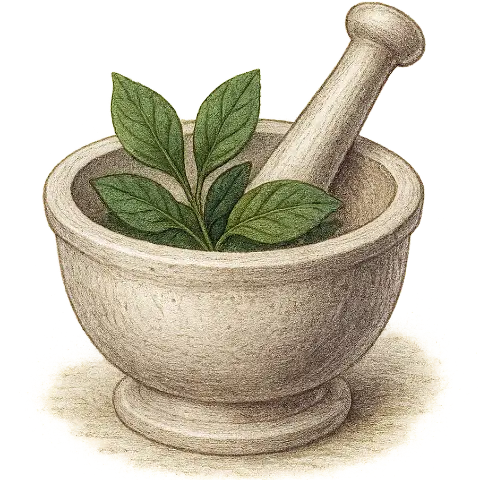
In Ayurveda and folk medicine, the seeds are used to treat fevers, colds and rheumatism and are believed to have cooling and rejuvenating effects. Seed paste is applied externally for joint pain and inflammation. Decoctions made from leaves and bark are used for headaches, eye infections and general body pain. Modern studies indicate the presence of putranjivine alkaloids, which show anti-inflammatory, antimicrobial and analgesic properties.
Read more
ECOLOGICAL IMPORTANCE
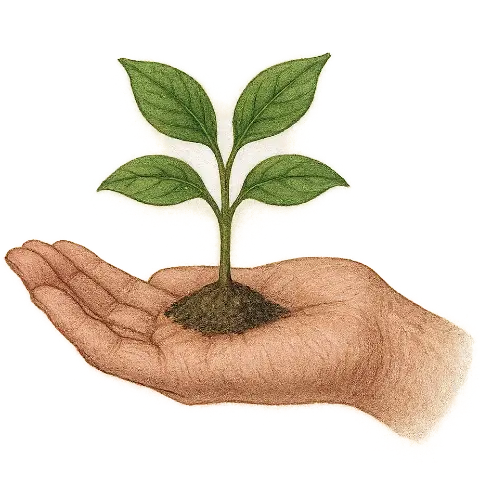
Putranjiva provides dense shade and helps improve urban microclimates by reducing heat and air pollution. Its evergreen foliage supports small birds and insects, while the deep root system helps stabilize soil and prevent erosion, particularly in dry or sloping landscapes. Its resilience makes it well suited for city landscaping and roadside plantations.
Read more
CULTURAL SIGNIFICANCE
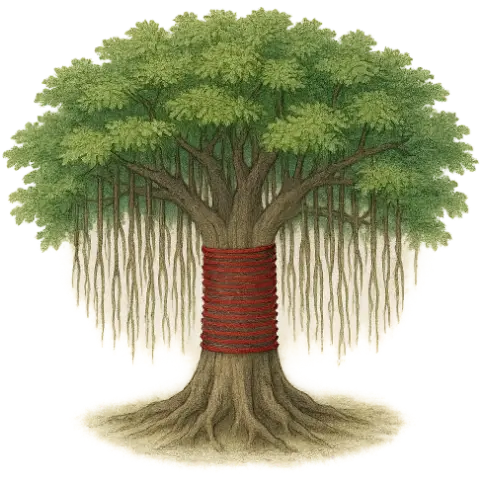
In Hindu tradition, Putranjiva is considered sacred, especially for couples seeking blessings for fertility and the well-being of children. The name itself means "life-giver to sons," reflecting its symbolic role. Seeds are worn or kept in homes as symbols of protection, longevity and vitality. The tree is often planted near temples and homes, representing continuity of life and spiritual protection.
Read more
HABITAT
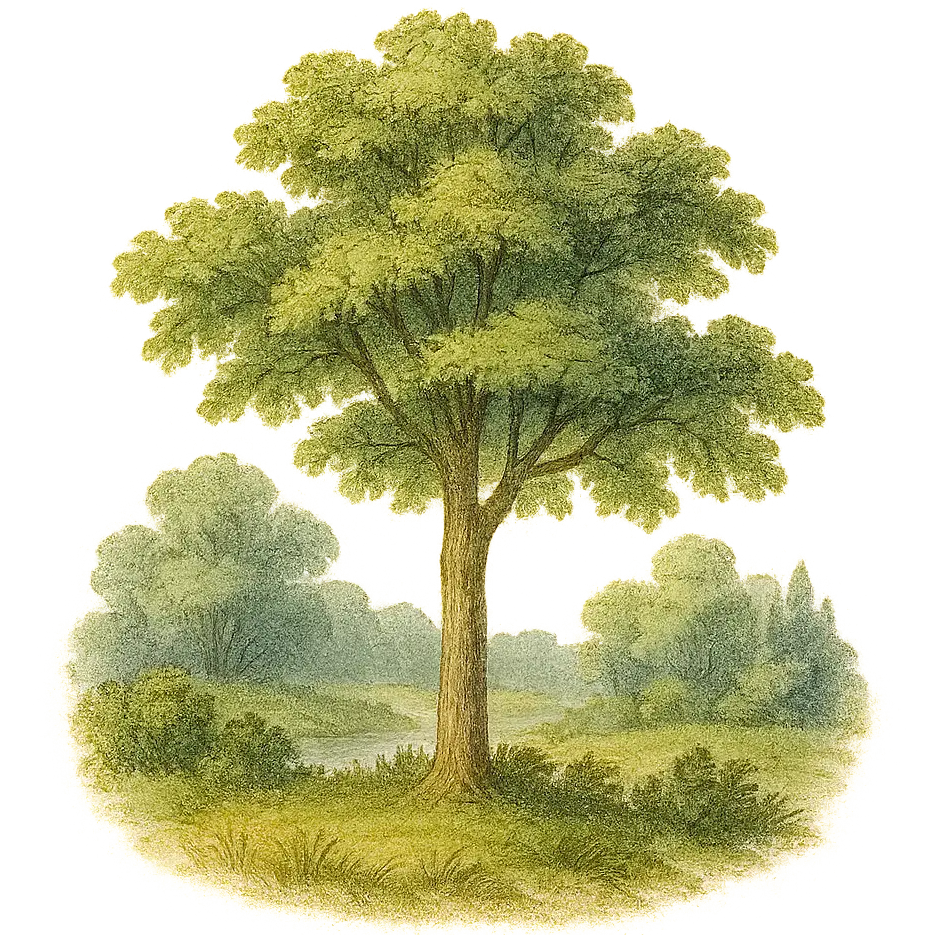
Putranjiva prefers moist deciduous forests and well-drained loamy or sandy soils, but can grow in both humid and semi-arid climates. It is drought-tolerant once established and is often planted along roadsides, parks, temples and gardens for its evergreen nature and dense canopy.
Read more
CULINARY USE
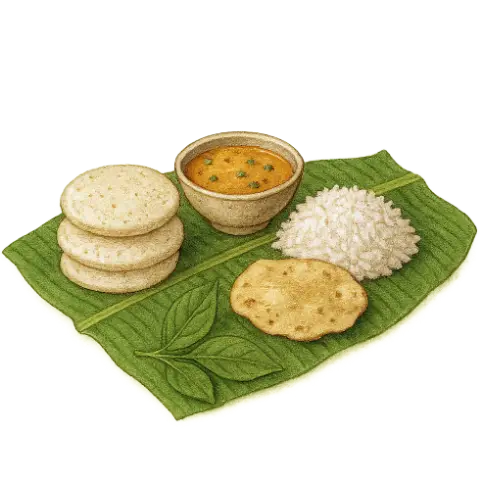
Putranjiva has no significant culinary use. The fruits and seeds are not edible. However, seed oil has occasionally been used in traditional oil lamps and small-scale cosmetic preparations.
Read more

FOUND HERE
Phoenix Bldg
Read more

DO YOU KNOW?
The smooth, stone-like seeds are traditionally made into protective necklaces or bracelets for children, known as Putrajeevak beads, believed to ward off illness and negative influences.


EARTH CHALLENGE
Why are Putranjiva seeds traditionally worn by children?