
Sapindus mukorossi,
Sapindaceae
Indian Soapnut
AKA: Ritha, Fenil
ORIGIN
Native
GEOGRAPHIC RANGE
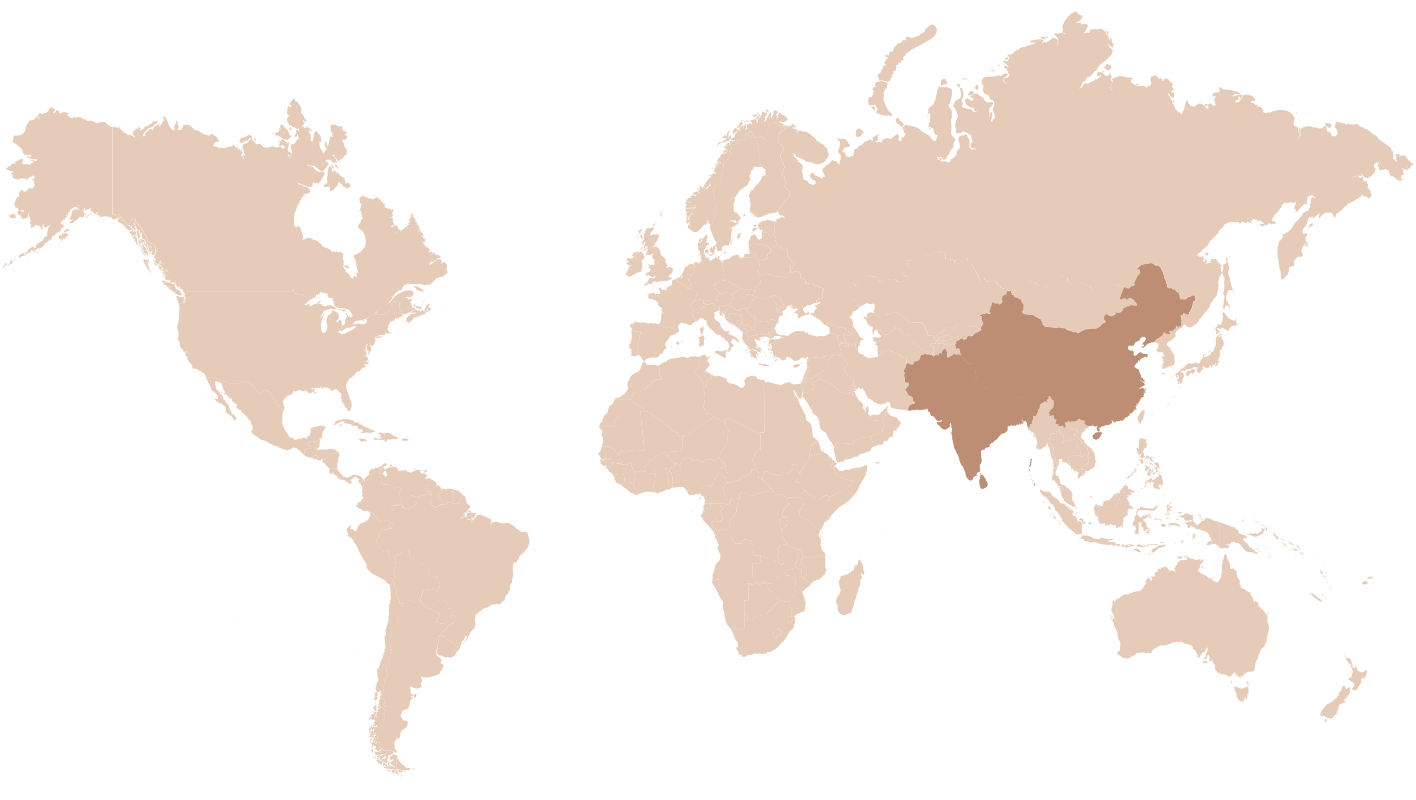
The Indian Soapnut tree is native to the Indian subcontinent, including India, Nepal and parts of Bhutan. It is also cultivated in Southeast Asia and some regions of China for its highly valued soapnut fruits.
HEIGHT
upto 12 m

CONSERVATION STATUS
Least Concern on the
IUCN Red List
IUCN RED LIST
Established in 1964, The IUCN Red List is a critical indicator of the health of the world’s biodiversity. Species are classified by the IUCN Red List into nine groups, through criteria such as rate of decline, population size and area of geographic distribution as:
- Extinct (EX) – This species is no longer extant
- Extinct in the wild (EW) – Survives only in captivity, or through cultivation often outside native range
- Critically endangered (CR) – In an extremely critical state
- Endangered (EN) – Very high risk of extinction in the wild
- Vulnerable (VU) – At high risk of unnatural (human-caused) extinction
- Near Threatened (NT) – Close to being endangered in the near future
- Least Concern (LC) – Widespread and abundant in the wild
- Data Deficient (DD) – Inadequate information to assess extinction risk
- Not Evaluated (NE) – Has not yet been assessed
ORIGIN
Native
HEIGHT
upto 12 m
GEOGRAPHIC RANGE
The Indian Soapnut tree is native to the Indian subcontinent, including India, Nepal and parts of Bhutan. It is also cultivated in Southeast Asia and some regions of China for its highly valued soapnut fruits.
CONSERVATION STATUS
Least Concern on the
IUCN Red List
BARK, FOLIAGE, FRUIT & FLOWER
Bark: Supports the tree's structure; contributes to longevity and resilience.
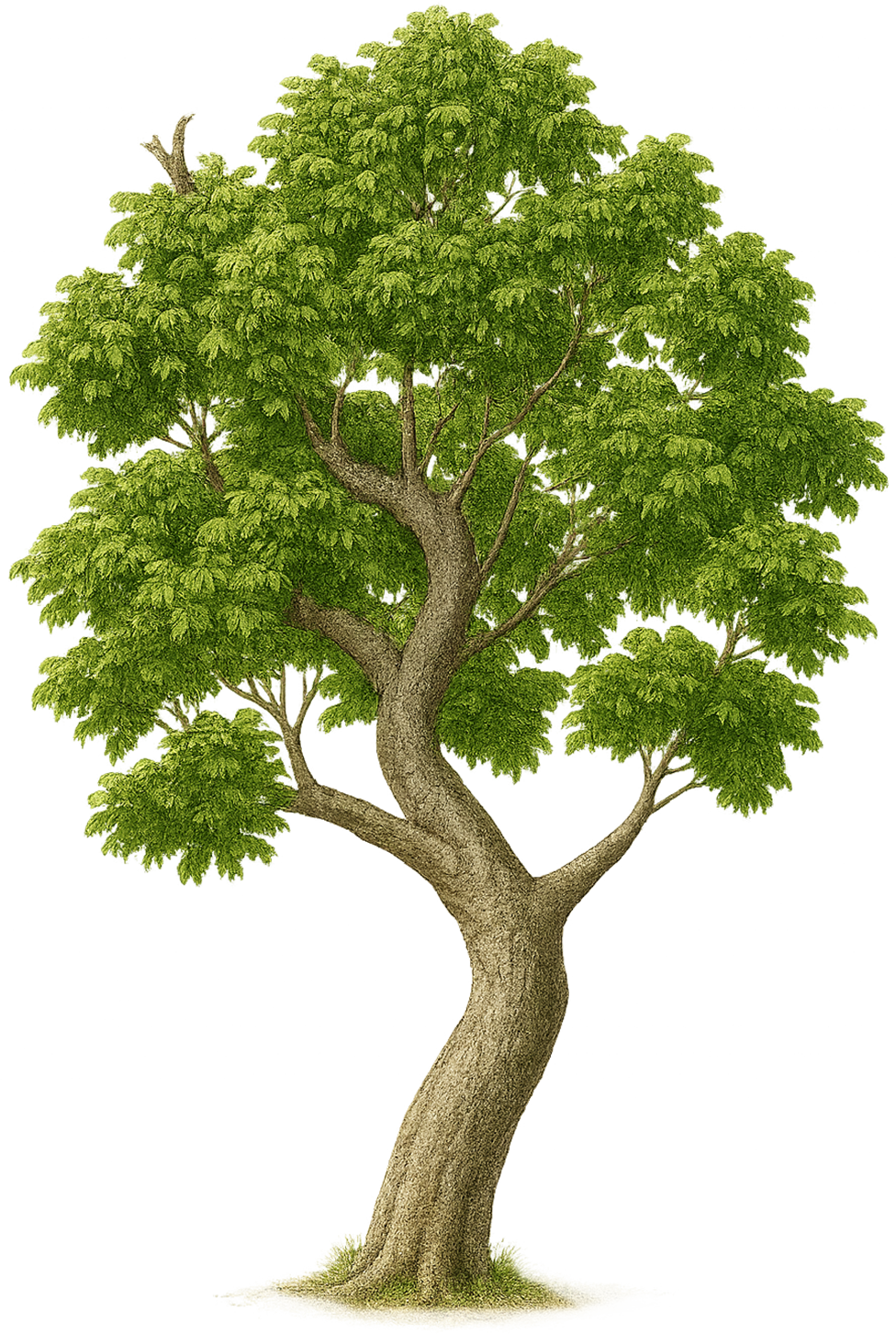
Leaves: Compound and lance-shaped; form dense foliage and provide shade.
Flowers & Fruit: Small clustered flowers develop into round fruits; the fruit rind contains saponins used for cleansing and medicinal purposes.
Leaves: Compound and lance-shaped; form dense foliage and provide shade.
Flowers & Fruit: Small clustered flowers develop into round fruits; the fruit rind contains saponins used for cleansing and medicinal purposes.

GENERAL DESCRIPTION
Indian Soapnut is a medium to large deciduous tree growing about 12 - 20 meters tall, with a rounded crown and dense foliage. The leaves are compound, bright green and lance-shaped, giving the tree a fresh appearance during the growing season. Small greenish-white flowers bloom in clusters, followed by round fruits that turn yellowish-brown when ripe. Each fruit contains a hard seed surrounded by a fleshy outer layer rich in natural saponins plant compounds that create foam in water. Because of this property, the tree is widely valued as a natural source of soap and cleansing agents. The tree is long-lived, productive and well suited to dry and subtropical regions.
Read more
MEDICINAL USE
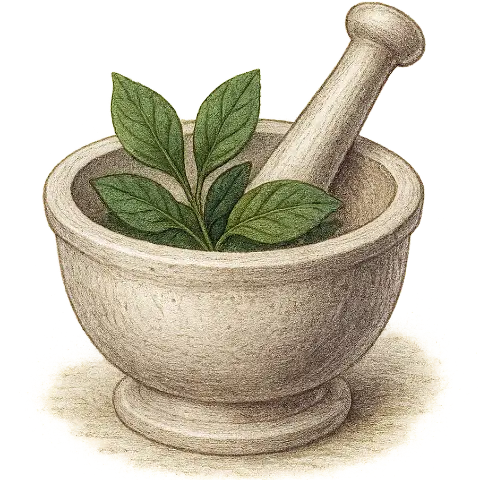
In Ayurveda, the fruit rind is valued for its antimicrobial, anti-inflammatory and expectorant properties. Soapnut preparations are used to treat respiratory ailments, skin disorders, dandruff, joint pain and inflammation. Decoctions are applied to cleanse wounds and manage eczema or psoriasis. Seeds are sometimes used in folk medicine as mild sedatives.
Read more
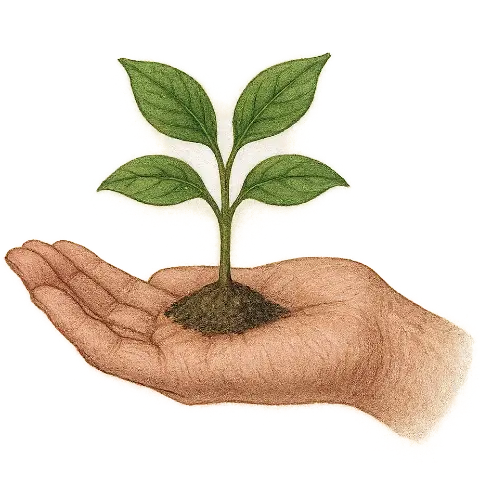
ECOLOGICAL IMPORTANCE
Indian Soapnut supports sustainable and low-impact living by providing a biodegradable alternative to chemical detergents. The tree is drought-tolerant and helps stabilize soil, especially on slopes and degraded land. Its flowers attract insects, while the canopy contributes shade and improves local microclimates, making it useful in agroforestry and community forest systems.
Read more
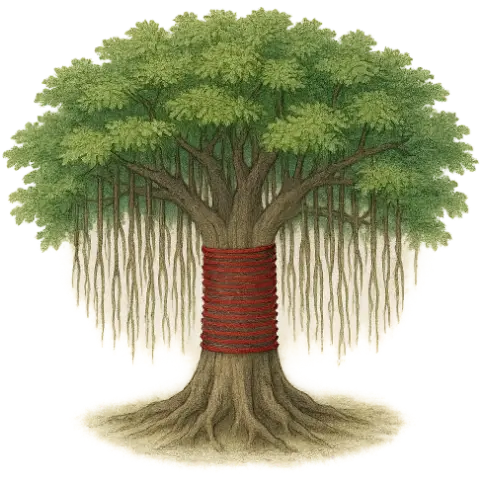
CULTURAL SIGNIFICANCE
Indian Soapnut or Reetha has long been part of traditional Indian households, used for washing clothes, cleaning jewellery and hair care. In Ayurveda, it is considered one of the important herbs for hair care, often mentioned alongside Shikakai and Amla. Its role in eco-friendly living and household practices links cultural tradition with environmental responsibility.
Read more
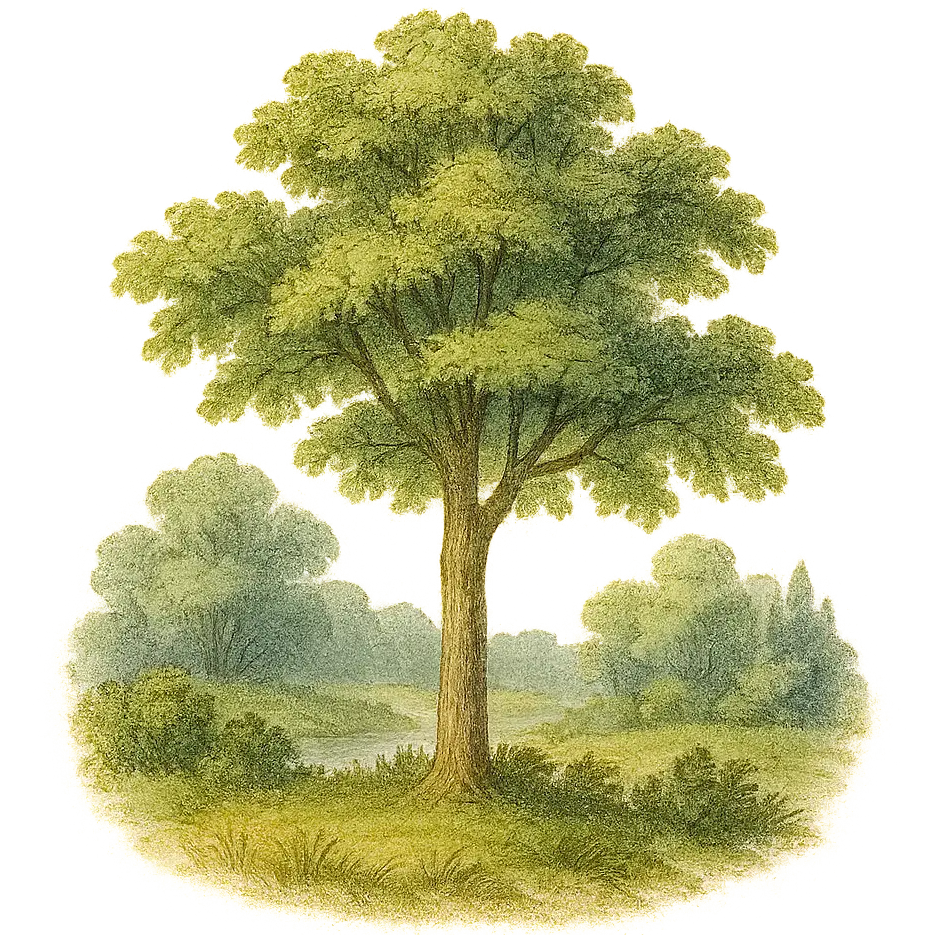
HABITAT
Indian Soapnut grows well in tropical and subtropical climatic zones and is commonly found in the Himalayan foothills up to an altitude of 1,100 m.
Read more
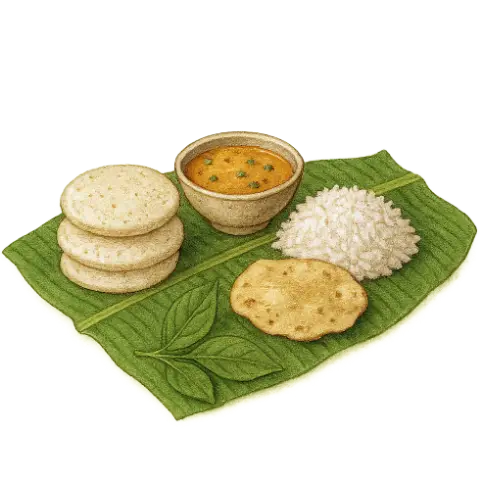
CULINARY USE
Indian Soapnut is not used as food because of its bitter, soapy nature. However, diluted extracts are traditionally used to wash fruits and vegetables and as a natural cleaning agent rather than for consumption.
Read more

FOUND HERE
Kavesar Garden
Read more

DO YOU KNOW?
Soapnut fruits lather naturally in water and were used as detergents for centuries before modern soaps were invented.


EARTH CHALLENGE
Why is Indian Soapnut widely valued?