
Saraca asoca,
Caesalpiniaceae
Sita Ashok
AKA: Ashoka Tree
ORIGIN
Native
GEOGRAPHIC RANGE
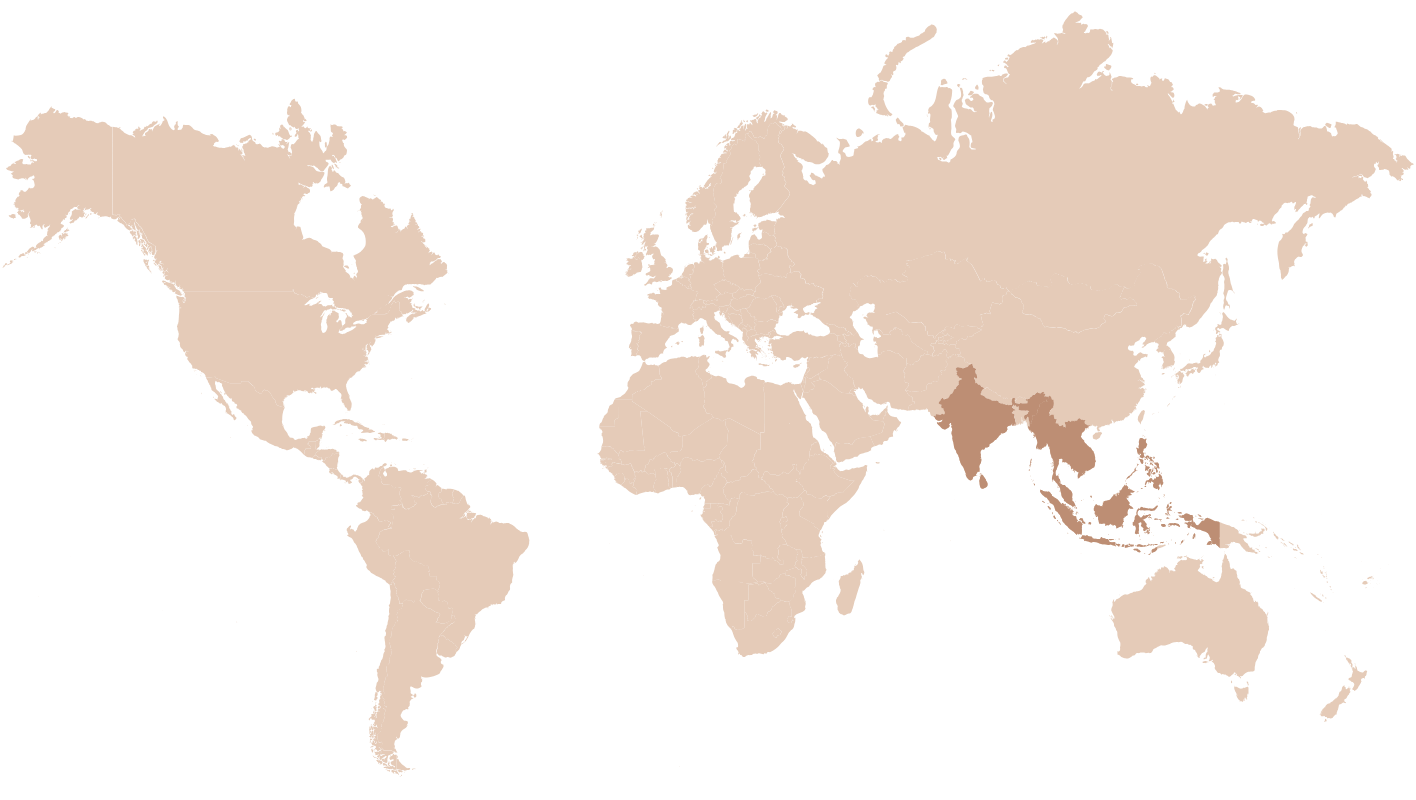
Native to India, Sri Lanka and parts of Southeast Asia, the Sita Ashok is also cultivated in South and Southeast Asia. Its wild populations have declined due to habitat loss and overharvesting for medicinal purposes.
HEIGHT
10 - 20 m

CONSERVATION STATUS
Vulnerable on the
IUCN Red List
IUCN RED LIST
Established in 1964, The IUCN Red List is a critical indicator of the health of the world’s biodiversity. Species are classified by the IUCN Red List into nine groups, through criteria such as rate of decline, population size and area of geographic distribution as:
- Extinct (EX) – This species is no longer extant
- Extinct in the wild (EW) – Survives only in captivity, or through cultivation often outside native range
- Critically endangered (CR) – In an extremely critical state
- Endangered (EN) – Very high risk of extinction in the wild
- Vulnerable (VU) – At high risk of unnatural (human-caused) extinction
- Near Threatened (NT) – Close to being endangered in the near future
- Least Concern (LC) – Widespread and abundant in the wild
- Data Deficient (DD) – Inadequate information to assess extinction risk
- Not Evaluated (NE) – Has not yet been assessed
ORIGIN
Native
HEIGHT
10 - 20 m

GEOGRAPHIC RANGE
Native to India, Sri Lanka and parts of Southeast Asia, the Sita Ashok is also cultivated in South and Southeast Asia. Its wild populations have declined due to habitat loss and overharvesting for medicinal purposes.
CONSERVATION STATUS
Vulnerable on the
IUCN Red List
BARK, FOLIAGE, FRUIT & FLOWER
Bark: Smooth and medicinally important; widely used for women's health and inflammatory conditions.
Leaves: Coppery red when young, turning green; contribute to ornamental value and shade.
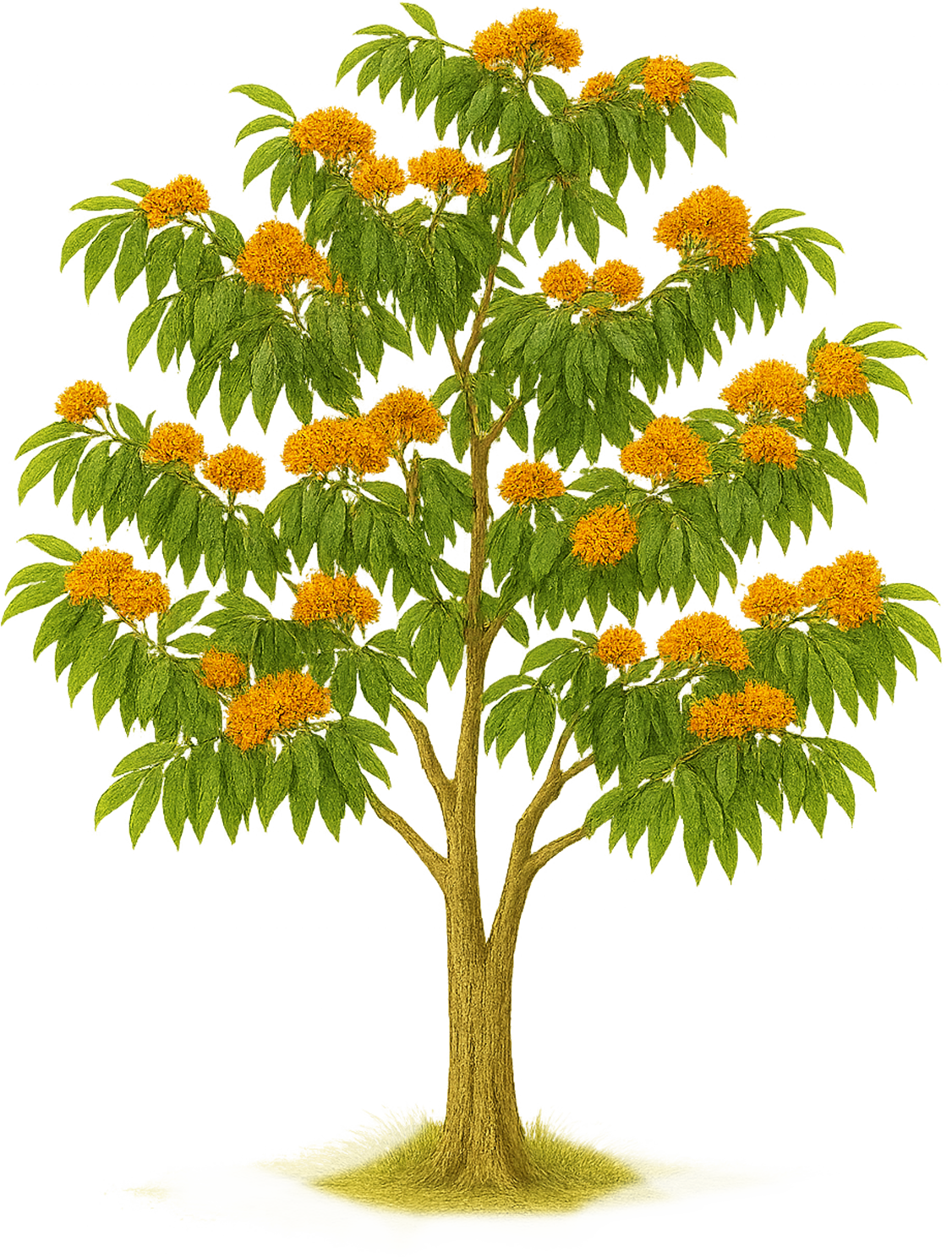
Flowers & Fruit: Bright orange-red, fragrant flowers bloom from branches and trunk; flat pods contain dark seeds.
Leaves: Coppery red when young, turning green; contribute to ornamental value and shade.
Flowers & Fruit: Bright orange-red, fragrant flowers bloom from branches and trunk; flat pods contain dark seeds.

GENERAL DESCRIPTION
Sita Ashok is a small to medium-sized evergreen tree growing about 6 - 10 meters tall, with a dense, rounded crown and smooth grey-brown bark. The tree is admired for its elegant, drooping foliage and seasonal colour changes young leaves emerge in shades of coppery red before turning deep green. One of its most striking features is the dense clusters of fragrant orange-red flowers that bloom directly from the branches and trunk. These flowers later develop into flat, leathery pods containing several smooth, dark seeds. The tree's graceful form and vibrant blossoms make it both an ornamental and culturally important species.
Read more
MEDICINAL USE
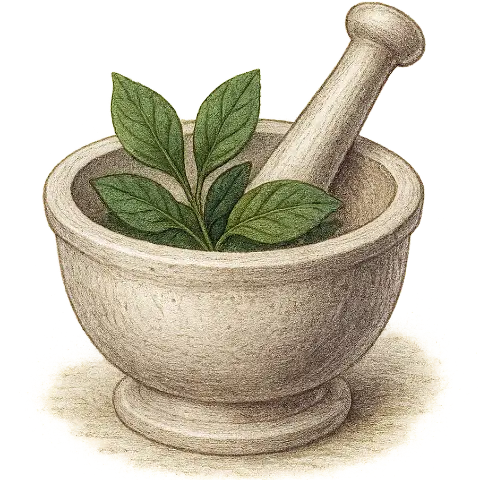
Highly valued in Ayurveda, Sita Ashok is especially important in treatments related to women's health. The bark is a key ingredient in formulations for menstrual disorders, uterine health and hormonal balance. Bark and flowers have astringent, anti-inflammatory and antioxidant properties. Decoctions are used for painful menstruation, leucorrhea and general weakness. Flowers are also used to relieve dyspepsia, excessive thirst and burning sensations. Modern studies support its uterine tonic and antimicrobial activity.
Read more
ECOLOGICAL IMPORTANCE
Sita Ashok supports a variety of pollinators, especially butterflies, bees and birds, which are drawn to its brightly coloured, fragrant flowers. Its evergreen canopy provides year-round shelter and shade, contributing to garden and forest biodiversity. Because it flowers directly on branches and the trunk, it offers easy access to nectar for insects, enhancing local pollination networks.
Read more
CULTURAL SIGNIFICANCE
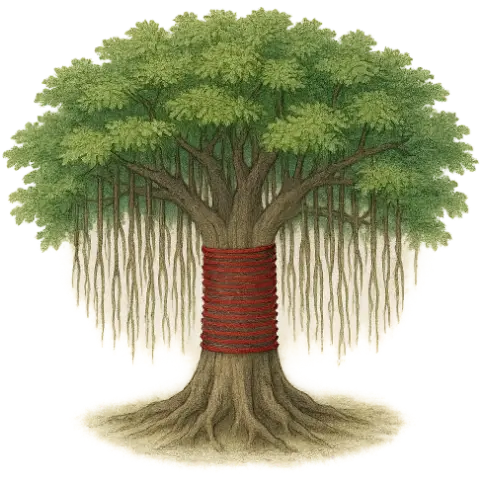
Sita Ashok holds exceptional cultural and spiritual importance in India. In Hindu mythology, it is sacred to Kama Deva, the god of love and symbolizes purity and feminine grace. According to the Ramayana, Sita was sheltered under an Ashoka tree in Ashoka Vatika during her captivity, giving the tree deep emotional symbolism. In Buddhism, it is believed that Queen M?y? gave birth to the Buddha beneath an Ashoka tree. Due to heavy medicinal harvesting, the species is now considered vulnerable in the wild, leading to increased efforts for conservation and cultivation in gardens and temple grounds.
Read more
HABITAT
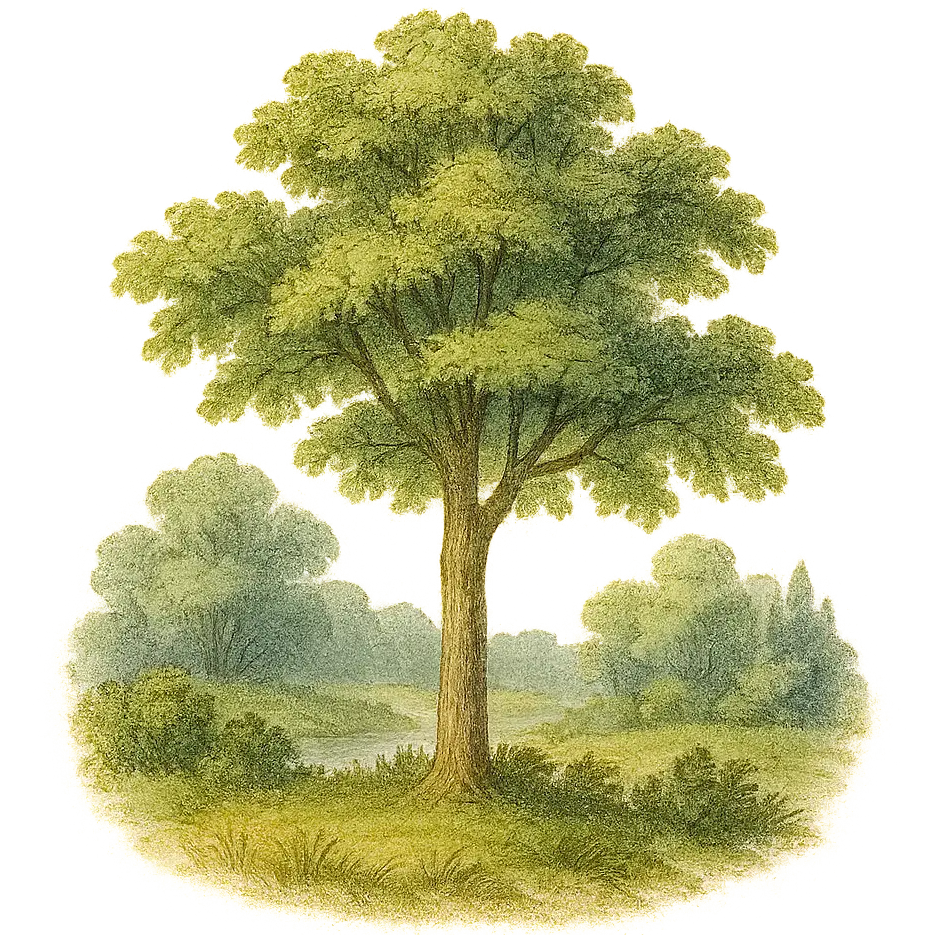
The Sita Ashok thrives in evergreen and semi-evergreen forests of the Western Ghats, Eastern Himalayas and the plains of northern and central India. It prefers warm, humid climates and well-drained soils, often growing near streams and shaded forest areas.
Read more

CULINARY USE
The tree is not used as a regular food source. In traditional herbal practice, flower extracts may be added to tonic drinks or syrups for their cooling and rejuvenating effects rather than for nutrition.
Read more

FOUND HERE
Kavesar Garden
Read more

DO YOU KNOW?
The name Ashoka literally means "without sorrow" in Sanskrit, reflecting the tree's long-standing association with joy, peace and emotional healing.


EARTH CHALLENGE
Why is the Sita Ashok bark especially important in traditional medicine?