
Schleichera oleosa,
Sapindaceae
Kusum
AKA: Ceylon Oak
ORIGIN
Native
GEOGRAPHIC RANGE
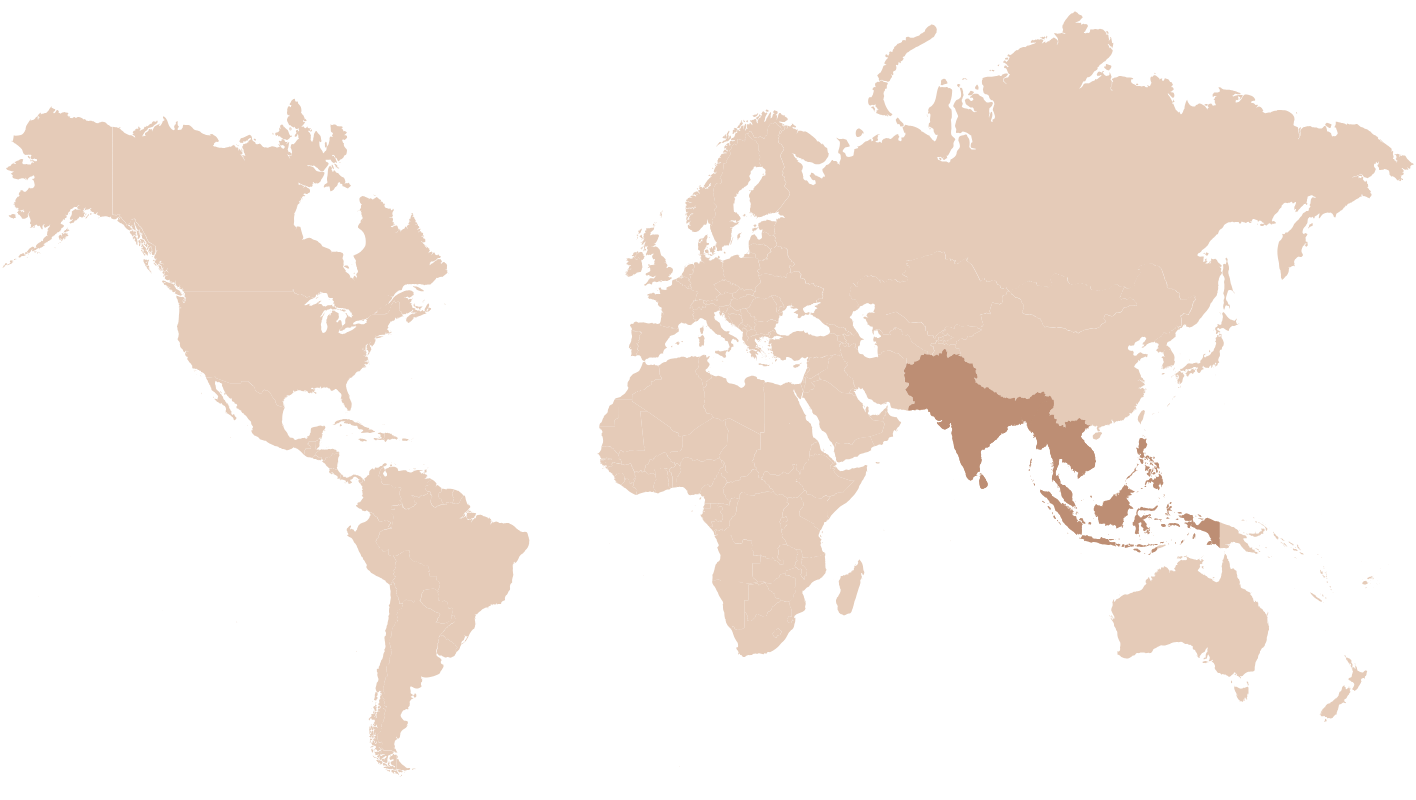
The Kusum or Ceylon Oak is native to the Indian subcontinent and Southeast Asia, including India, Nepal, Sri Lanka, Bangladesh, Myanmar, Thailand, Cambodia and Vietnam.
HEIGHT
30 - 35 m

CONSERVATION STATUS
Least Concern on the
IUCN Red List
IUCN RED LIST
Established in 1964, The IUCN Red List is a critical indicator of the health of the world’s biodiversity. Species are classified by the IUCN Red List into nine groups, through criteria such as rate of decline, population size and area of geographic distribution as:
- Extinct (EX) – This species is no longer extant
- Extinct in the wild (EW) – Survives only in captivity, or through cultivation often outside native range
- Critically endangered (CR) – In an extremely critical state
- Endangered (EN) – Very high risk of extinction in the wild
- Vulnerable (VU) – At high risk of unnatural (human-caused) extinction
- Near Threatened (NT) – Close to being endangered in the near future
- Least Concern (LC) – Widespread and abundant in the wild
- Data Deficient (DD) – Inadequate information to assess extinction risk
- Not Evaluated (NE) – Has not yet been assessed
ORIGIN
Native
HEIGHT
30 - 35 m
GEOGRAPHIC RANGE
The Kusum or Ceylon Oak is native to the Indian subcontinent and Southeast Asia, including India, Nepal, Sri Lanka, Bangladesh, Myanmar, Thailand, Cambodia and Vietnam.
CONSERVATION STATUS
Least Concern on the
IUCN Red List
BARK, FOLIAGE, FRUIT & FLOWER
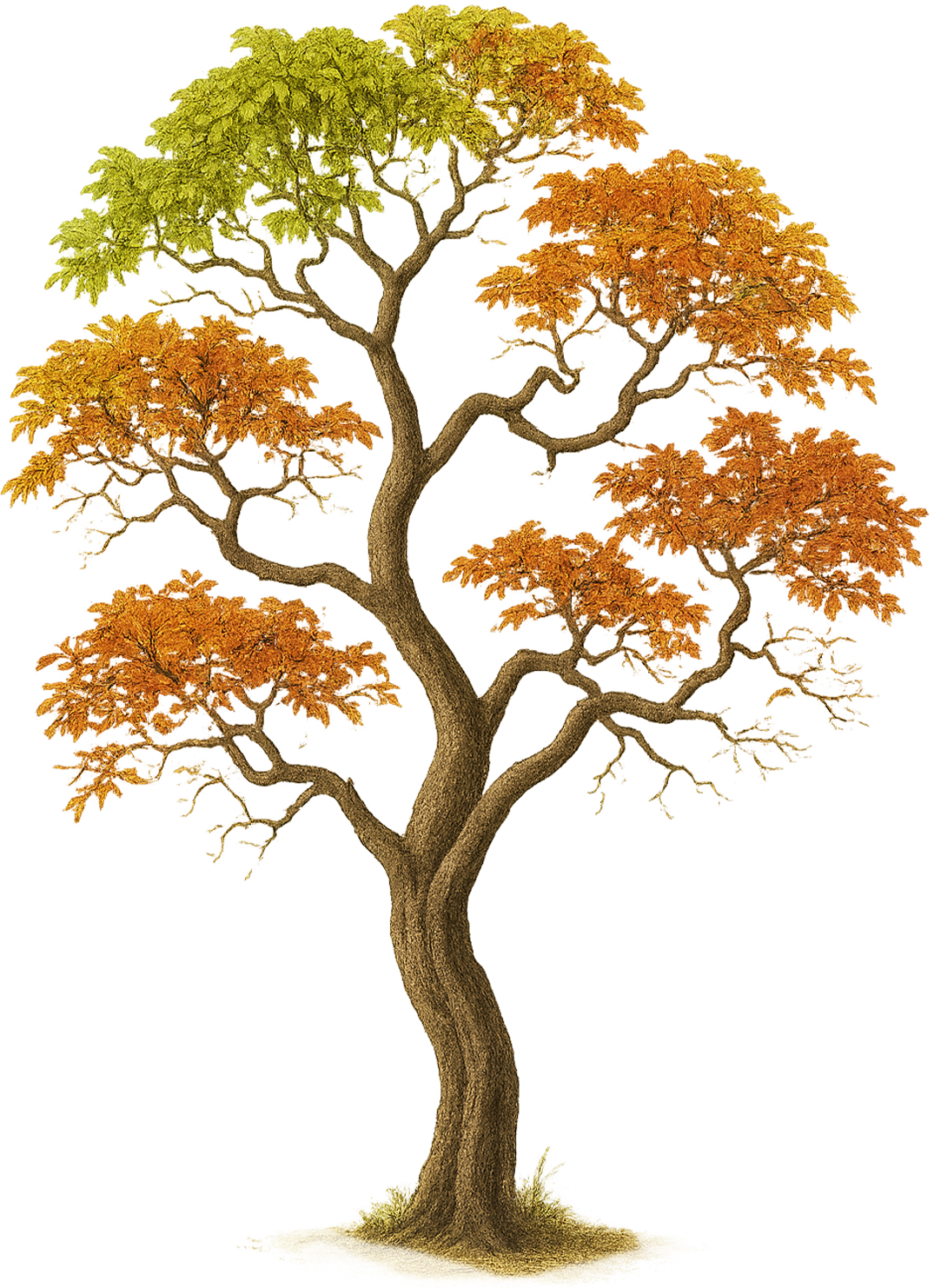
Bark: Rough and exfoliating; used in decoctions for fever, skin conditions and wound care.
Leaves: Pinnate and leathery; turn red before falling and are used for fodder and medicinal preparations.
Flowers & Fruit: Small clustered flowers bloom seasonally; ovoid fruits ripen to yellowish-brown and contain oil-rich seeds used for medicine, oil and lac-based livelihoods.
Leaves: Pinnate and leathery; turn red before falling and are used for fodder and medicinal preparations.
Flowers & Fruit: Small clustered flowers bloom seasonally; ovoid fruits ripen to yellowish-brown and contain oil-rich seeds used for medicine, oil and lac-based livelihoods.

GENERAL DESCRIPTION
Kusum is a medium to large deciduous tree growing about 15 - 25 meters tall, with a straight, cylindrical trunk and a dense, rounded crown. The bark is grey to dark brown, rough and exfoliates in irregular patches as the tree ages. Leaves are pinnate, with 2 - 4 pairs of leathery, oblong leaflets that turn a striking red before shedding, adding strong seasonal colour. Small yellowish-green flowers appear in axillary clusters, followed by ovoid fruits that ripen to yellowish-brown and contain a single oily seed. The tree is widely valued for its oil-rich seeds and for hosting the lac insect, which produces natural shellac.
Read more
MEDICINAL USE
In Ayurvedic and tribal medicine, Kusum oil extracted from the seeds is applied externally to treat skin diseases, ulcers and rheumatic pain due to its anti-inflammatory and antimicrobial properties. Bark decoctions are used for fever, diarrhea and skin irritation. Leaves and fruit pulp are used for astringent and cleansing effects, while gum or resin from the bark is applied to wounds and used as a binding agent in herbal formulations.
Read more
ECOLOGICAL IMPORTANCE
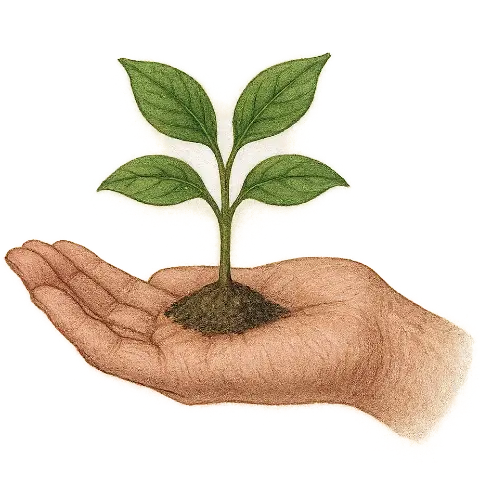
Kusum supports biodiversity by providing habitat and food for insects, birds and grazing animals. Its role as a lac host directly supports forest-based livelihoods and sustainable non-timber forest products. The deep root system helps stabilize soil and prevent erosion, while leaf litter enriches the forest floor and supports regeneration.
Read more
CULTURAL SIGNIFICANCE
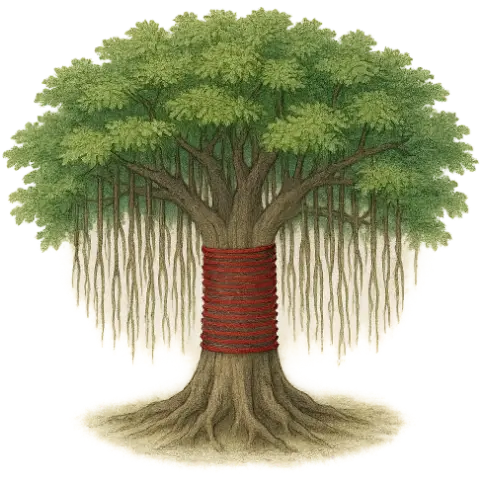
Kusum plays an important role in rural and tribal economies by providing oil, timber, gum and lac. Its hard, heavy wood is used for agricultural tools, cart wheels and furniture. In Indian tradition, the tree is associated with prosperity and natural abundance because of its many practical uses. Its role in lac cultivation links cultural knowledge with sustainable forest use.
Read more
HABITAT
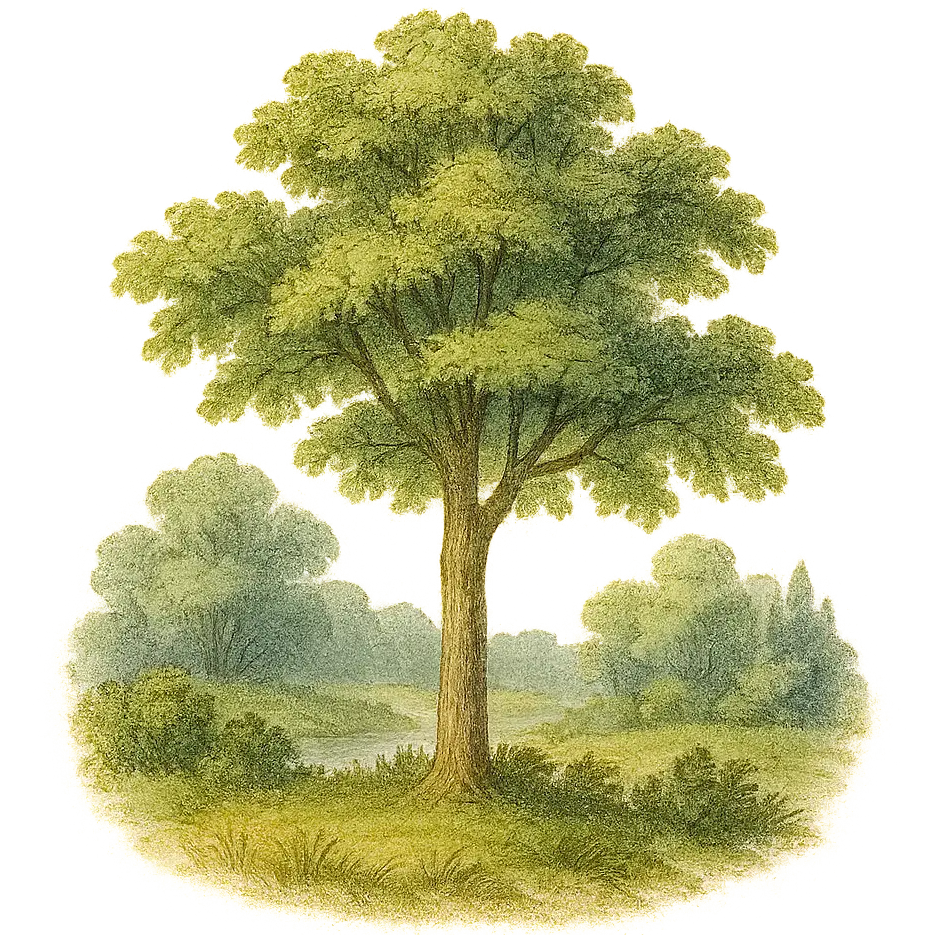
The Kusum tree needs well-drained loamy or rocky soils, tolerates seasonal droughts and thrives up to 1200 m elevation. It grows in tropical and subtropical dry deciduous forests and mixed forests or may be planted for lac cultivation.
Read more
CULINARY USE
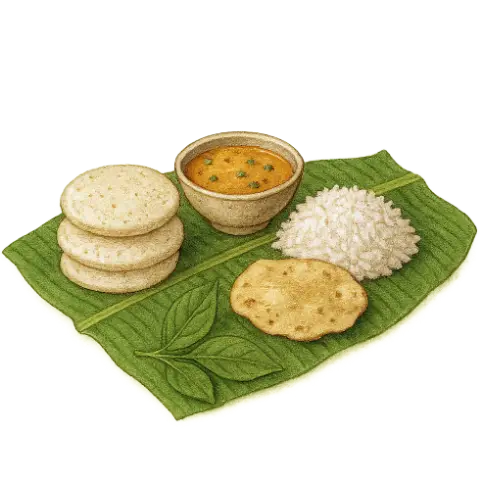
After proper purification, seed oil is used in some regions for cooking and for traditional lamp lighting. The fruits are edible but slightly sour and are occasionally eaten fresh or used as fodder for livestock rather than as a major food source.
Read more

FOUND HERE
Kavesar Garden
Read more

DO YOU KNOW?
Kusum is one of the most important host trees for lac insects, making it a key species behind the production of natural shellac used in varnishes, polishes and jewellery.


EARTH CHALLENGE
Why is Kusum also called the Lac Tree?