
Syzigium cumini,
Myrtaceae
Jamun
AKA: Java Plum, Jambul
ORIGIN
Native
GEOGRAPHIC RANGE
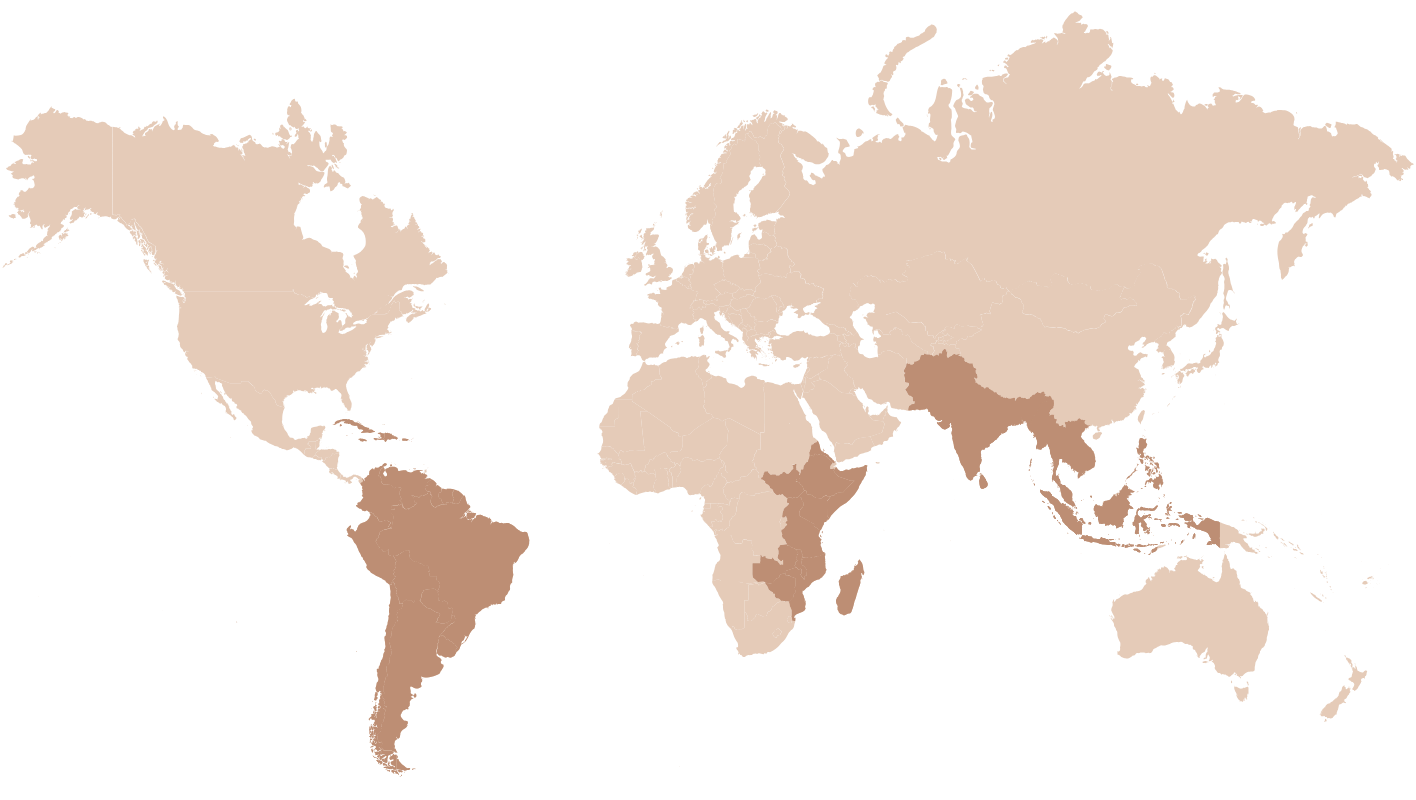
The Jamuntree is native to the Indian subcontinent, but its range extends across South and Southeast Asia, including India, Sri Lanka, Nepal, Bangladesh, Myanmar, Thailand, Indonesia and the Philippines. It has also been naturalized in East Africa, South America and the Caribbean due to its adaptability and fast growth.
HEIGHT
12 - 15 m

CONSERVATION STATUS
Least Concern on the
IUCN Red List
IUCN RED LIST
Established in 1964, The IUCN Red List is a critical indicator of the health of the world’s biodiversity. Species are classified by the IUCN Red List into nine groups, through criteria such as rate of decline, population size and area of geographic distribution as:
- Extinct (EX) – This species is no longer extant
- Extinct in the wild (EW) – Survives only in captivity, or through cultivation often outside native range
- Critically endangered (CR) – In an extremely critical state
- Endangered (EN) – Very high risk of extinction in the wild
- Vulnerable (VU) – At high risk of unnatural (human-caused) extinction
- Near Threatened (NT) – Close to being endangered in the near future
- Least Concern (LC) – Widespread and abundant in the wild
- Data Deficient (DD) – Inadequate information to assess extinction risk
- Not Evaluated (NE) – Has not yet been assessed
ORIGIN
Native
HEIGHT
12 - 15 m

GEOGRAPHIC RANGE
The Jamuntree is native to the Indian subcontinent, but its range extends across South and Southeast Asia, including India, Sri Lanka, Nepal, Bangladesh, Myanmar, Thailand, Indonesia and the Philippines. It has also been naturalized in East Africa, South America and the Caribbean due to its adaptability and fast growth.
CONSERVATION STATUS
Least Concern on the
IUCN Red List
BARK, FOLIAGE, FRUIT & FLOWER
Bark: Dark and exfoliating; used in decoctions for digestion, infections and blood purification.
Leaves: Glossy and aromatic; used for wound healing, inflammation and oral hygiene.
Flowers & Fruit: Small white flowers bloom in early summer; fruits ripen to deep purple, are juicy and astringent and widely used as food and medicine.
Leaves: Glossy and aromatic; used for wound healing, inflammation and oral hygiene.
Flowers & Fruit: Small white flowers bloom in early summer; fruits ripen to deep purple, are juicy and astringent and widely used as food and medicine.

GENERAL DESCRIPTION
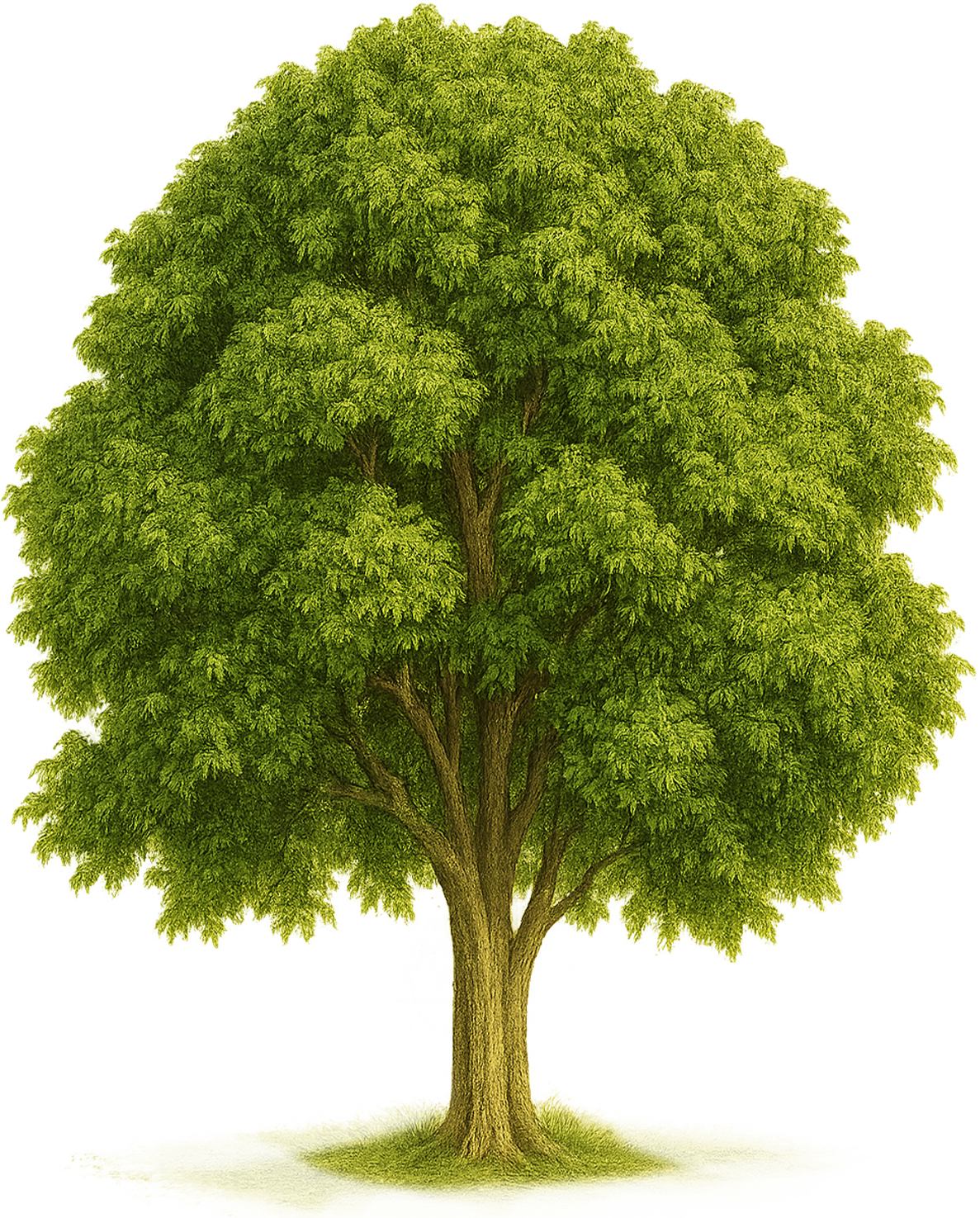
Jamun is a fast-growing evergreen tropical tree that can reach about 25 - 30 meters in height, with a straight, cylindrical trunk and a broad, dense crown that provides deep shade. The bark is dark grey to brown and exfoliates in patches. Leaves are opposite, leathery, glossy and aromatic due to the presence of essential oils. Small, fragrant white flowers bloom in clusters during March - April, followed by oval, fleshy fruits that ripen from green to deep purple or almost black between May and August. The ripe fruits are juicy, sweet with an astringent taste and contain a single seed. The dark purple pulp is well known for staining the tongue.
Read more
MEDICINAL USE
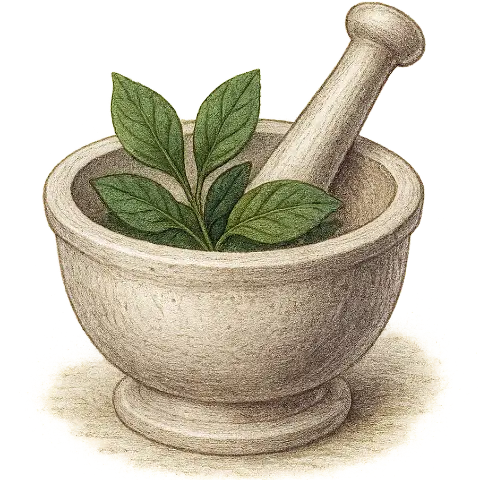
Highly valued in Ayurveda, Unani and Siddha medicine, almost every part of the Jamun tree is medicinal. Seeds contain compounds such as jamboline and ellagic acid that help regulate blood sugar, earning Jamun its reputation as a natural anti-diabetic. Bark and fruit extracts are used for digestive disorders, diarrhea, ulcers and throat infections due to their astringent and antimicrobial properties. Leaves are used for wound healing, inflammation and dental care, while bark decoctions act as tonics and blood purifiers. Modern studies confirm antioxidant, anti-inflammatory, hypoglycemic and liver-protective effects.
Read more
ECOLOGICAL IMPORTANCE
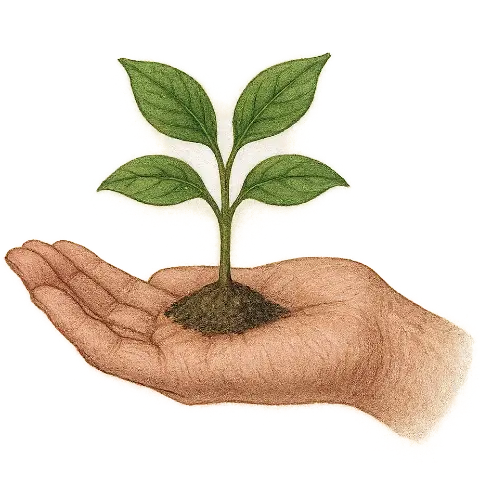
Jamun plays an important role in both urban and forest ecosystems. Its dense canopy provides shade and helps reduce heat, while the flowers attract bees and support honey production. The fruits are an important food source for birds, bats and other wildlife, enhancing biodiversity. The tree also contributes to carbon sequestration and soil conservation, making it valuable for urban greening and windbreaks.
Read more
CULTURAL SIGNIFICANCE
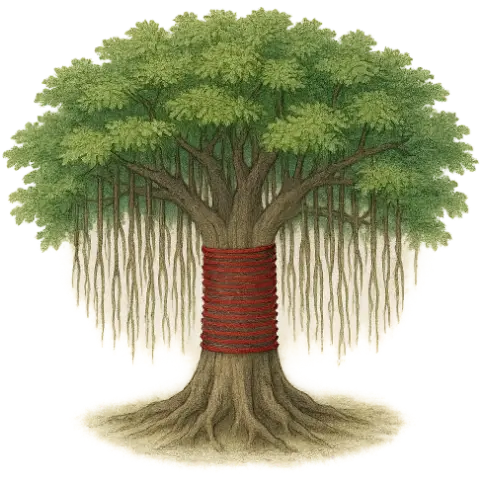
Jamun holds deep cultural and spiritual importance in India and Southeast Asia. In Hindu mythology, it is associated with Lord Krishna and the Yamuna River. The tree is often planted near temples and sacred groves, symbolizing health, fertility and prosperity. Long-lived and resilient, Jamun represents endurance and natural abundance while supporting livelihoods, traditions and ecological balance.
Read more
HABITAT
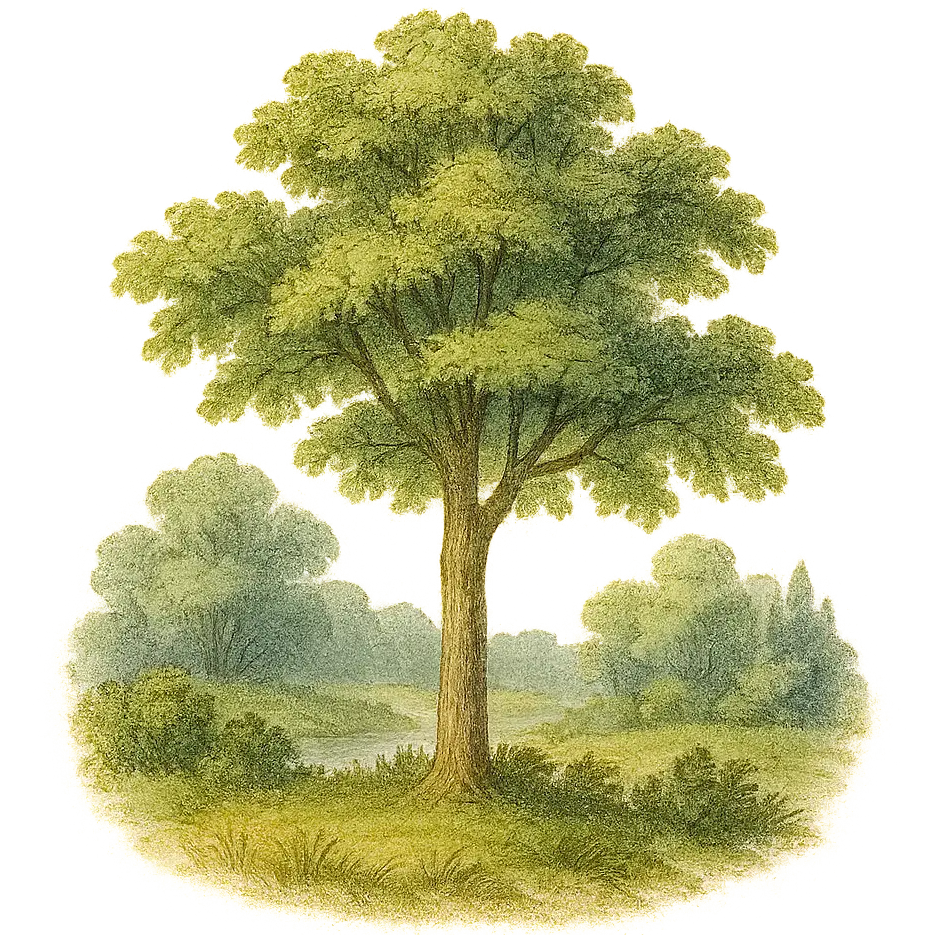
Jamun gows naturally in moist deciduous forests and along riverbanks thriving in humid and subtropical climates. It prefers deep loamy soils, but can also tolerate saline and waterlogged conditions, making it valuable for soil conservation and reforestation programs. Because of its shade, fruit and medicinal uses, Jamun is widely cultivated.
Read more
CULINARY USE
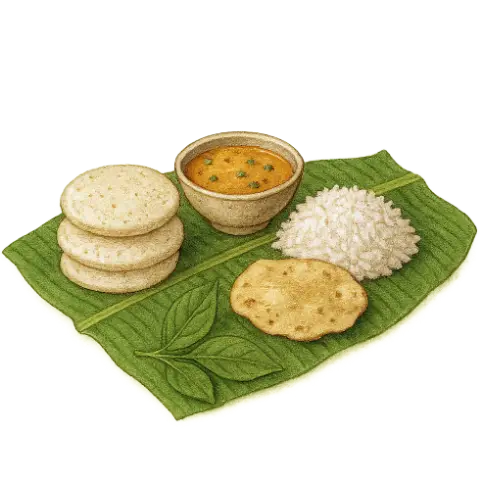
Ripe Jamun fruits are eaten fresh or processed into juices, sherbets, jams, jellies, vinegars and wines. The pulp is used in desserts and sauces for its distinctive sweet - tart flavour. Jamun vinegar and seed powder are popular traditional preparations used for digestion and diabetes management.
Read more

FOUND HERE
Kavesar Garden
Read more

DO YOU KNOW?
The deep purple stain left on the tongue after eating Jamun is a fond childhood memory for many and has made the fruit instantly recognizable. In Indian folklore, Jamun is considered "the fruit of the gods" and its shade was once said to have colored Lord Krishna's skin.


EARTH CHALLENGE
Why is Jamun especially important in traditional medicine?