
Tamarindus indica,
Fabaceae
Tamarind
AKA: Chinch
ORIGIN
Introduced
GEOGRAPHIC RANGE
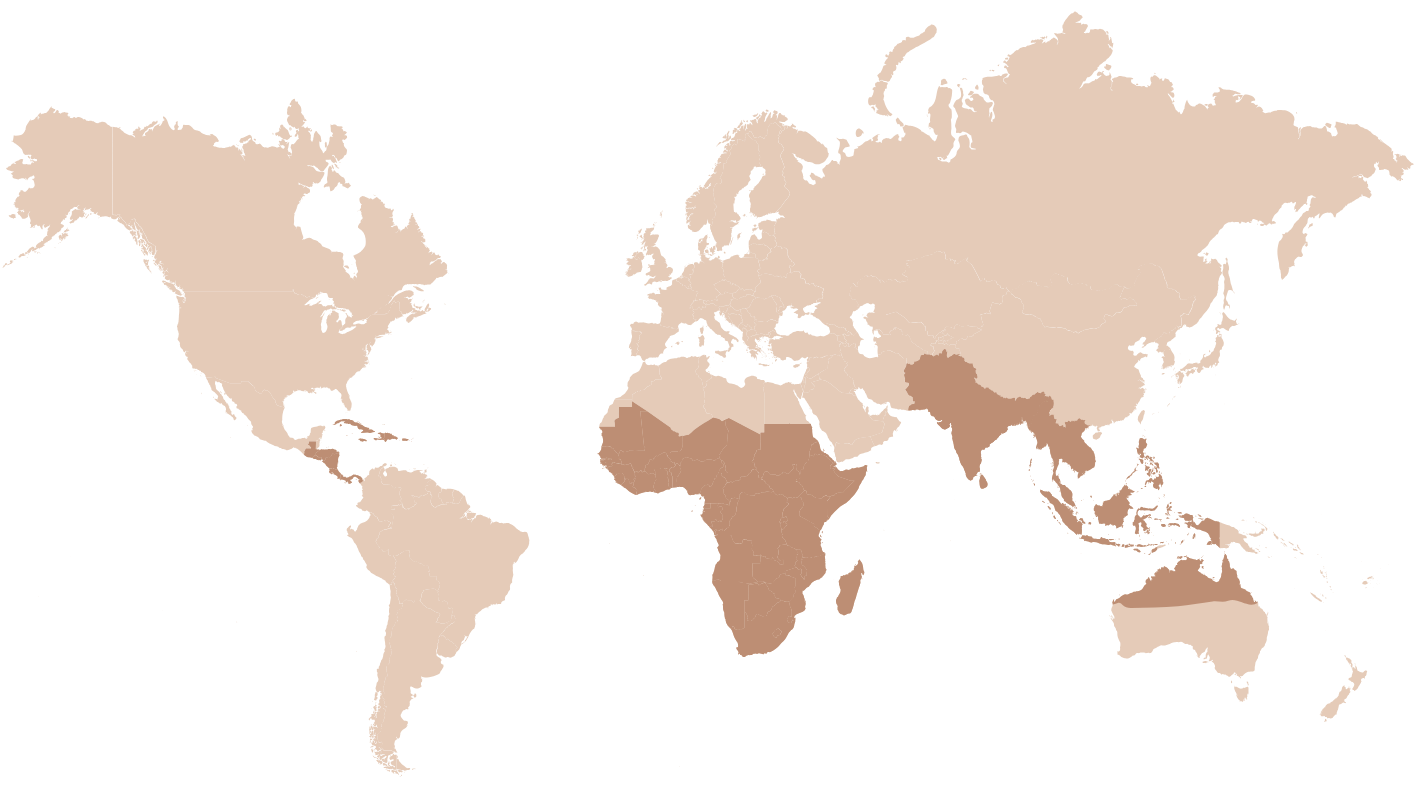
Tamarind is native to tropical Africa, but is naturalized and cultivated across South Asia, Southeast Asia, the Caribbean, Central America and tropical Australia.
HEIGHT
25 - 30 m

CONSERVATION STATUS
Least Concern on the
IUCN Red List
IUCN RED LIST
Established in 1964, The IUCN Red List is a critical indicator of the health of the world’s biodiversity. Species are classified by the IUCN Red List into nine groups, through criteria such as rate of decline, population size and area of geographic distribution as:
- Extinct (EX) – This species is no longer extant
- Extinct in the wild (EW) – Survives only in captivity, or through cultivation often outside native range
- Critically endangered (CR) – In an extremely critical state
- Endangered (EN) – Very high risk of extinction in the wild
- Vulnerable (VU) – At high risk of unnatural (human-caused) extinction
- Near Threatened (NT) – Close to being endangered in the near future
- Least Concern (LC) – Widespread and abundant in the wild
- Data Deficient (DD) – Inadequate information to assess extinction risk
- Not Evaluated (NE) – Has not yet been assessed
ORIGIN
Introduced
HEIGHT
25 - 30 m
GEOGRAPHIC RANGE
Tamarind is native to tropical Africa, but is naturalized and cultivated across South Asia, Southeast Asia, the Caribbean, Central America and tropical Australia.
CONSERVATION STATUS
Least Concern on the
IUCN Red List
BARK, FOLIAGE, FRUIT & FLOWER
Bark: Rough and durable; used in traditional remedies and valued for strong timber.
Leaves: Fine, pinnate and feathery; used in medicinal decoctions and provide light shade.
Flowers & Fruit: Yellow flowers with red streaks bloom seasonally; brown pods contain tangy pulp widely used in food and medicine.
Leaves: Fine, pinnate and feathery; used in medicinal decoctions and provide light shade.
Flowers & Fruit: Yellow flowers with red streaks bloom seasonally; brown pods contain tangy pulp widely used in food and medicine.

GENERAL DESCRIPTION
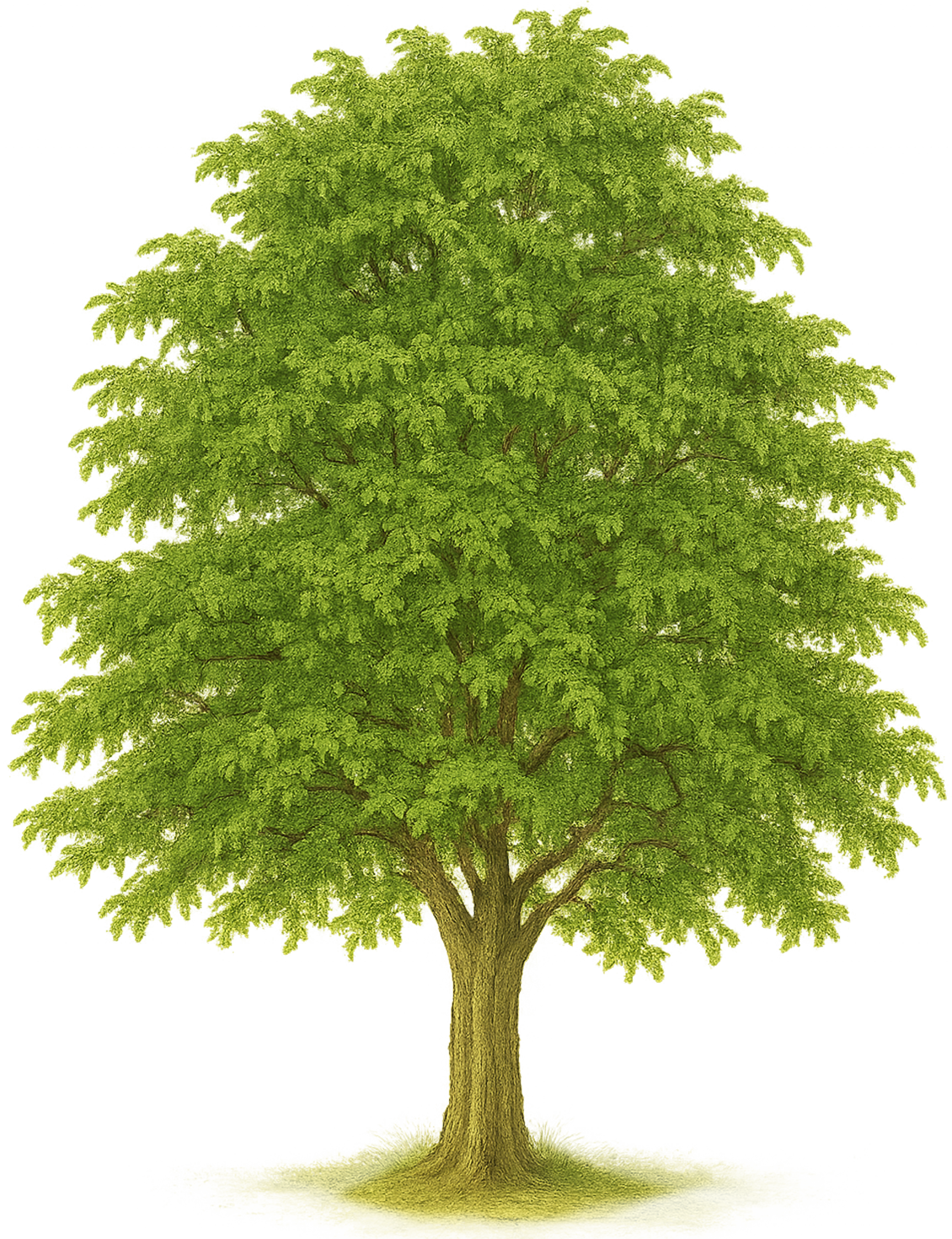
Tamarind is a large, long-lived evergreen to semi-evergreen tree that grows about 20 - 25 meters tall, with a dense, spreading crown and gently drooping branches that provide deep shade. The leaves are pinnate, made up of many small leaflets that give the tree a soft, feathery appearance. Pale yellow flowers with red streaks bloom seasonally and develop into brown, pod-like fruits. These pods contain a sticky, fibrous pulp with a distinctive sweet - sour taste and hard black seeds. The tree is highly valued for its fruit, shade, durable wood and long lifespan, often remaining productive for generations.
Read more
MEDICINAL USE
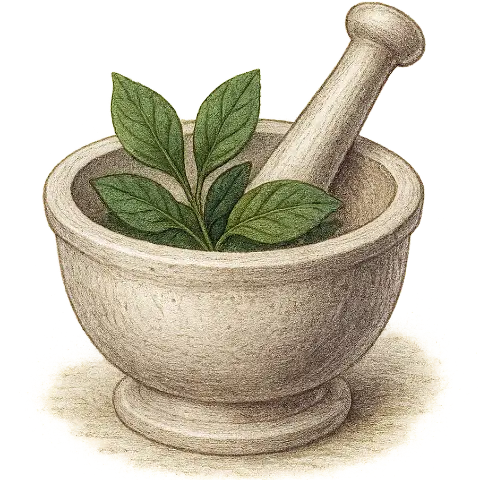
Traditionally used in many systems of medicine, tamarind pulp is rich in vitamin C, antioxidants, tartaric acid and minerals. It is used as a digestive aid and mild laxative. Pulp and leaf decoctions help reduce fever, inflammation and sore throat. Seeds are used in remedies for joint pain, skin conditions and eye infections, while bark and leaves are applied to wounds and used in treatments for diarrhea and malaria in some cultures.
Read more
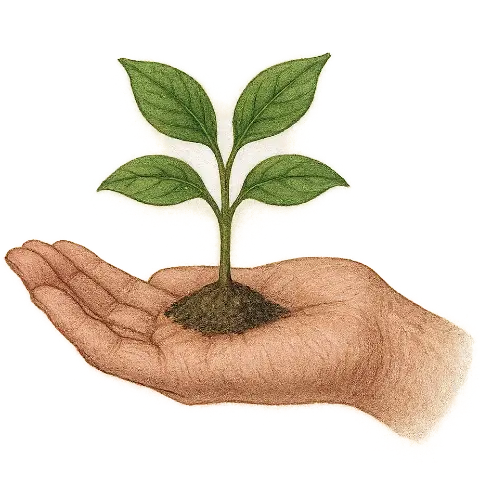
ECOLOGICAL IMPORTANCE
Tamarind supports a wide range of wildlife by providing food and shelter to birds, bats, bees and small mammals. Its broad canopy helps cool surrounding areas and improve microclimates in hot regions. The deep root system stabilizes soil and reduces erosion, making the tree valuable in dryland agroforestry and roadside plantations.
Read more
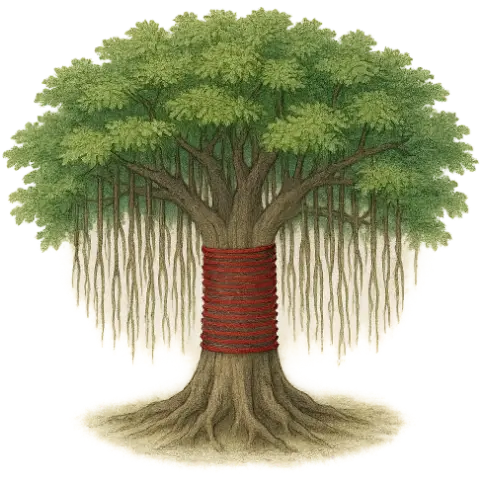
CULTURAL SIGNIFICANCE
Tamarind is deeply rooted in Indian rural life and is commonly planted along roadsides and village commons for shade and fruit. It symbolizes hospitality, offering rest and refreshment during hot summers. In some regions, old tamarind trees are revered and associated with local folklore and spirits. Economically, tamarind fruit is an important non-timber forest product that supports local livelihoods.
Read more
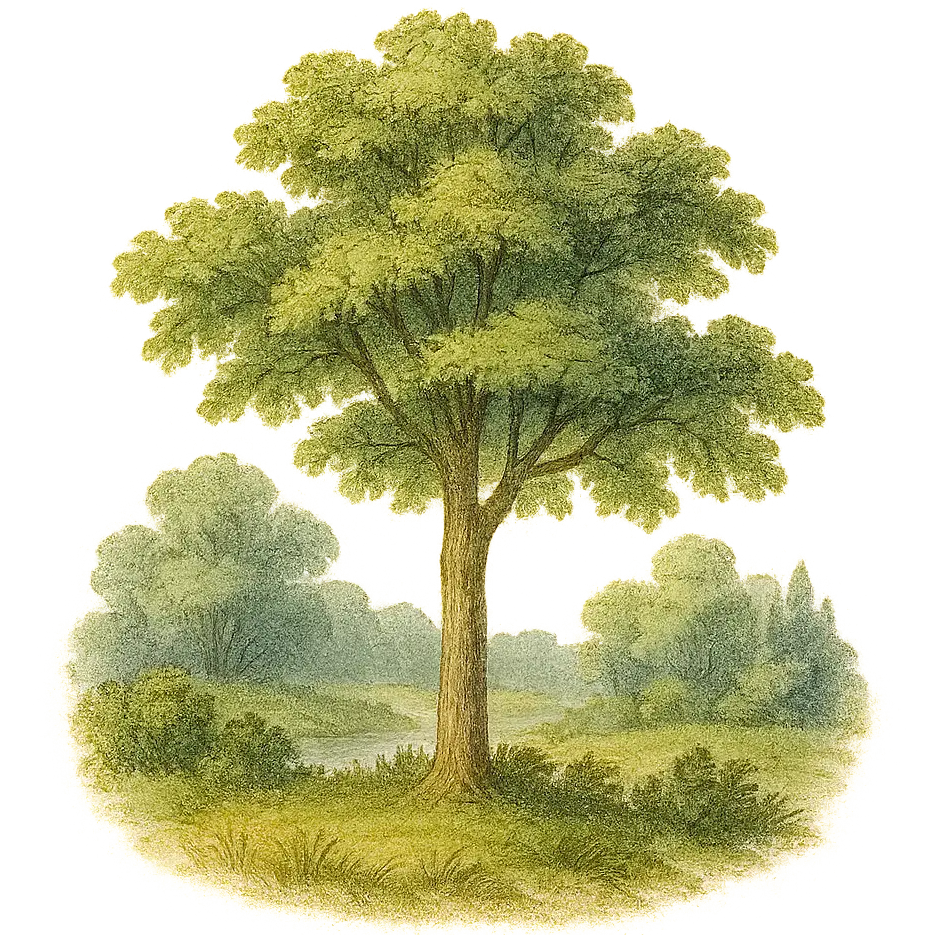
HABITAT
Tamarind thrives in warm climates with moderate rainfall. It is a hardy species that tolerates drought and poor soil conditions.
Read more
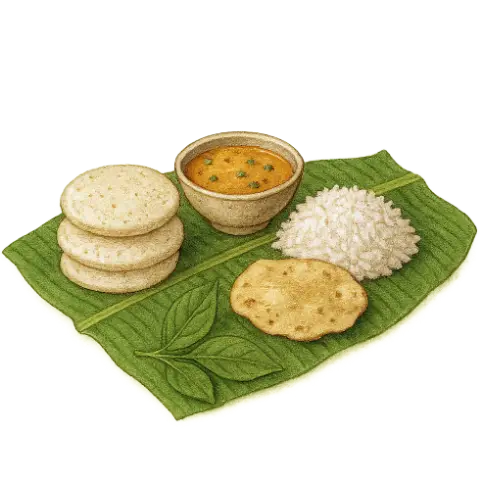
CULINARY USE
Tamarind pulp is a staple ingredient in Indian, Southeast Asian, Middle Eastern and Latin American cuisines. It is used in chutneys, curries, sauces, pickles, beverages and sweets and is a key ingredient in Worcestershire sauce. In times of scarcity, roasted or boiled seeds are also eaten in some regions.
Read more

FOUND HERE
Kavesar Garden
Read more

DO YOU KNOW?
Tamarind trees can live for more than 150 - 200 years and their acidic pulp was once used to polish brass and other metals.


EARTH CHALLENGE
Why is Tamarind pulp widely used in cooking?