
Terminalia arjuna,
Combretaceae
Arjun
AKA: Sadaru, Bili Mathi
ORIGIN
Native
GEOGRAPHIC RANGE
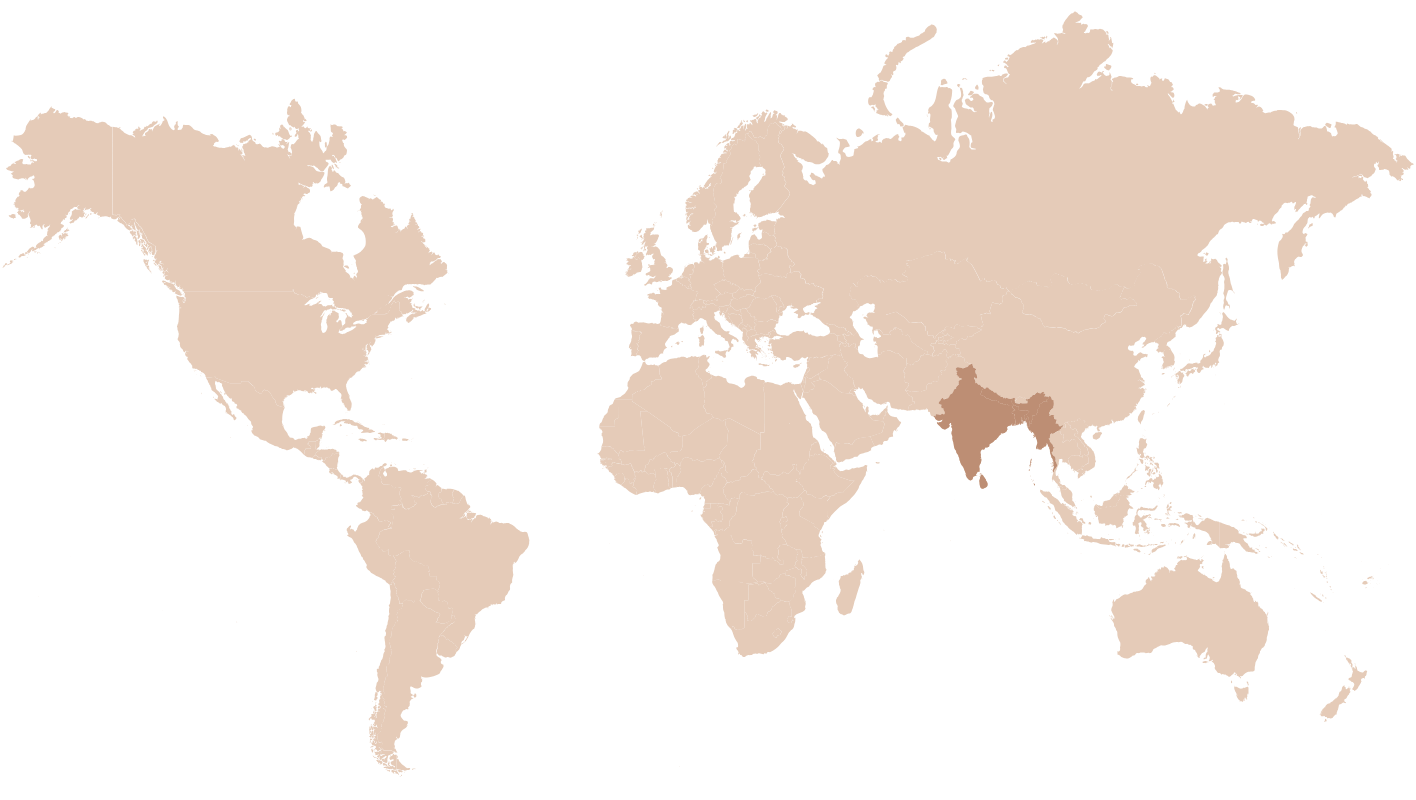
The Arjun tree is native to the Indian subcontinent and found throughout India, Nepal, Bangladesh, Myanmar and Sri Lanka.
HEIGHT
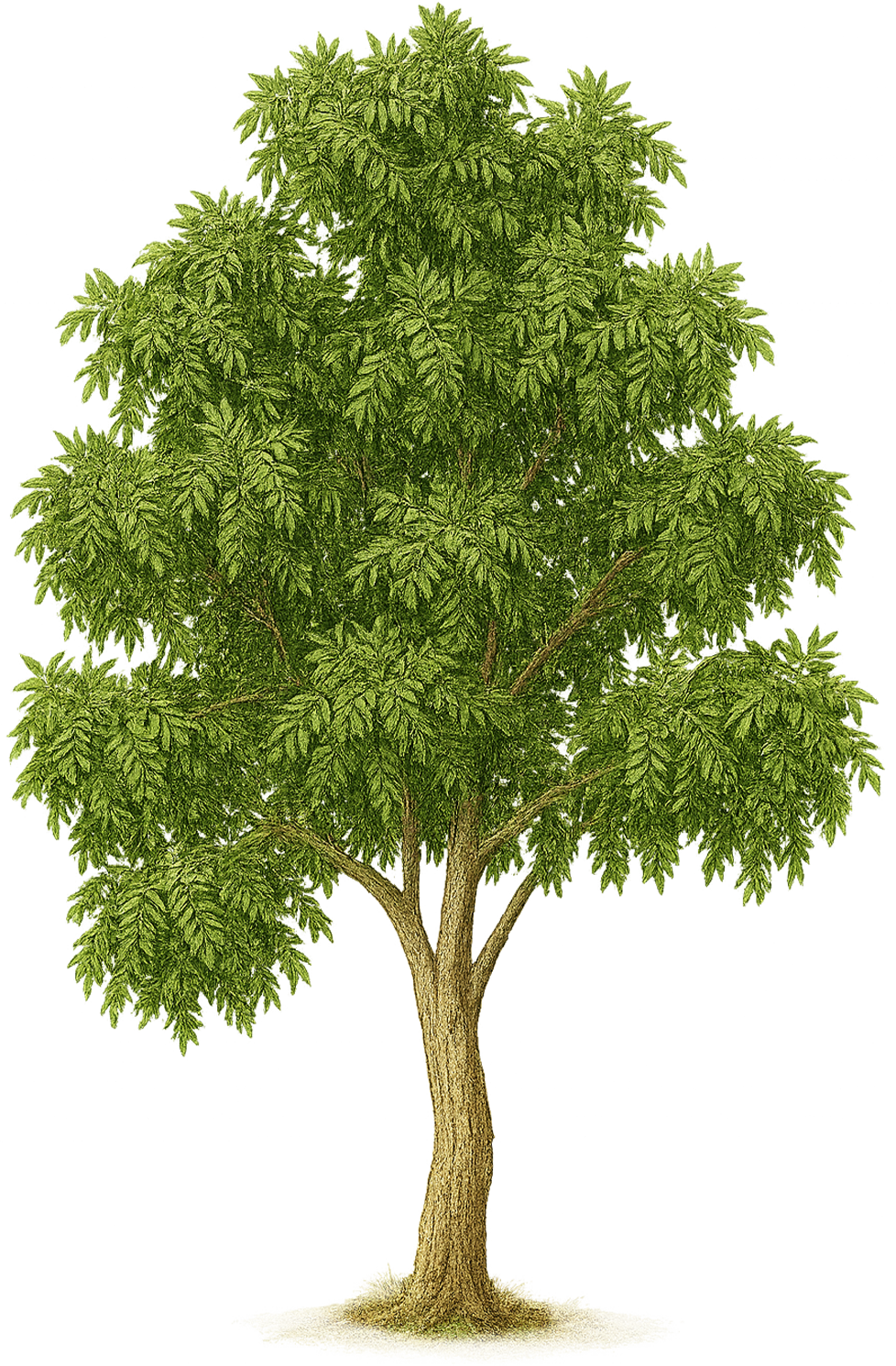
25 - 30 m

CONSERVATION STATUS
Least Concern on the
IUCN Red List
IUCN RED LIST
Established in 1964, The IUCN Red List is a critical indicator of the health of the world’s biodiversity. Species are classified by the IUCN Red List into nine groups, through criteria such as rate of decline, population size and area of geographic distribution as:
- Extinct (EX) – This species is no longer extant
- Extinct in the wild (EW) – Survives only in captivity, or through cultivation often outside native range
- Critically endangered (CR) – In an extremely critical state
- Endangered (EN) – Very high risk of extinction in the wild
- Vulnerable (VU) – At high risk of unnatural (human-caused) extinction
- Near Threatened (NT) – Close to being endangered in the near future
- Least Concern (LC) – Widespread and abundant in the wild
- Data Deficient (DD) – Inadequate information to assess extinction risk
- Not Evaluated (NE) – Has not yet been assessed
ORIGIN
Native
HEIGHT
25 - 30 m

GEOGRAPHIC RANGE
The Arjun tree is native to the Indian subcontinent and found throughout India, Nepal, Bangladesh, Myanmar and Sri Lanka.
CONSERVATION STATUS
Least Concern on the
IUCN Red List
BARK, FOLIAGE, FRUIT & FLOWER
Bark: Smooth, pinkish-grey, exfoliating; primary medicinal part used for heart health and healing.
Leaves: Glossy and oblong; used as food for silk moths and contribute to shade and cooling.
Flowers & Fruit: Small clustered flowers bloom in spring; winged woody fruits mature in winter and aid dispersal.
Leaves: Glossy and oblong; used as food for silk moths and contribute to shade and cooling.
Flowers & Fruit: Small clustered flowers bloom in spring; winged woody fruits mature in winter and aid dispersal.

GENERAL DESCRIPTION
Arjun is a large, long-lived evergreen to deciduous tree that grows about 20 - 25 meters tall, with a straight trunk and a broad, spreading crown. It is easily recognized by its smooth grey to pinkish bark, which peels off in thin sheets to reveal fresh layers beneath, giving the trunk a striking, layered appearance. The leaves are simple, oblong, glossy green and arranged opposite or sub-opposite, with a paler underside. Small white to yellowish flowers appear in clusters during spring and early summer (March - June). The fruits are woody and fibrous, with 5 - 7 distinct wings, maturing in winter. Arjun is commonly found along riverbanks, where it thrives in moist soils.
Read more
MEDICINAL USE
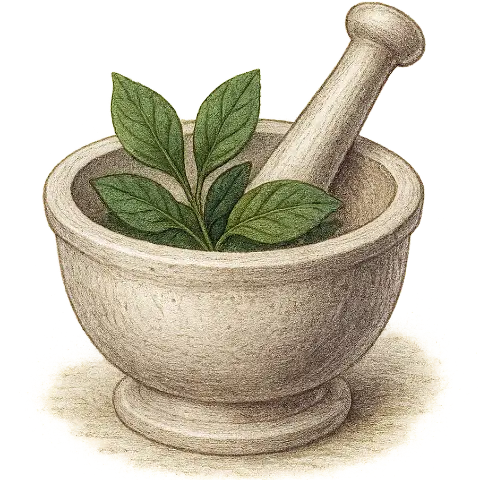
Arjun is one of the most important cardiotonic trees in Ayurveda. The bark, rich in tannins, triterpenoids, flavonoids and saponins, is used to strengthen the heart, improve circulation and manage conditions such as hypertension, angina and heart weakness. Classical formulations like Arjunarishta, Arjuna Churna and milk decoctions are widely prescribed. The bark is also used for wound healing, bone fractures, urinary disorders, dysentery, diabetes and inflammation. Modern research confirms its cardioprotective, antioxidant and lipid-lowering effects.
Read more
ECOLOGICAL IMPORTANCE
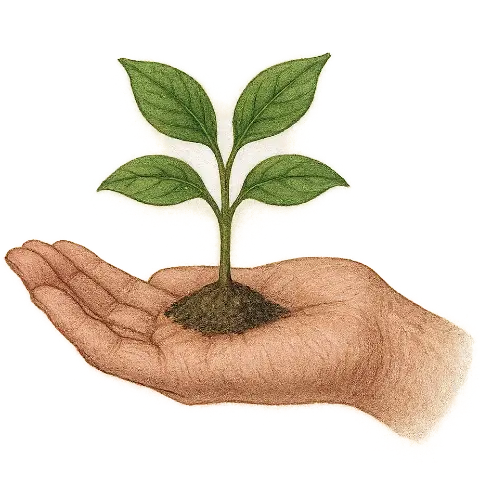
Arjun plays a vital role in stabilizing riverbanks and preventing soil erosion due to its strong root system. It supports riparian biodiversity and provides habitat for birds and insects. Its leaves serve as food for the Tussar silk moth, linking the tree to India's traditional silk industry. The large canopy helps cool surrounding areas and improve local microclimates.
Read more
CULTURAL SIGNIFICANCE
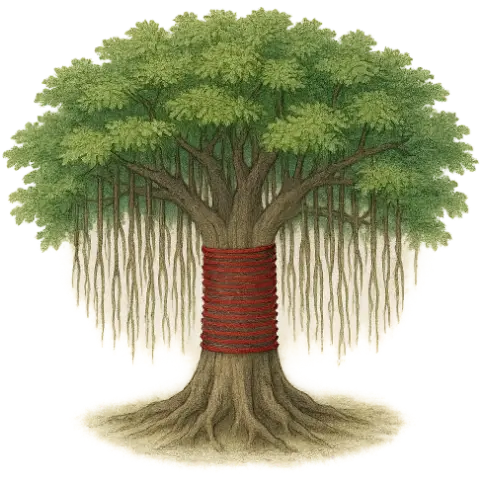
Arjun holds deep spiritual and cultural importance in India and is often planted near temples and rivers as a symbol of purity and protection. Ancient Ayurvedic texts such as the Charaka Samhita and Sushruta Samhita describe it as a prime remedy for heart ailments. The bark is also used as a natural dye and tanning agent, supporting eco-friendly crafts. Symbolically, the tree represents courage, endurance and compassion, uniting mythology, medicine and ecology.
Read more
HABITAT
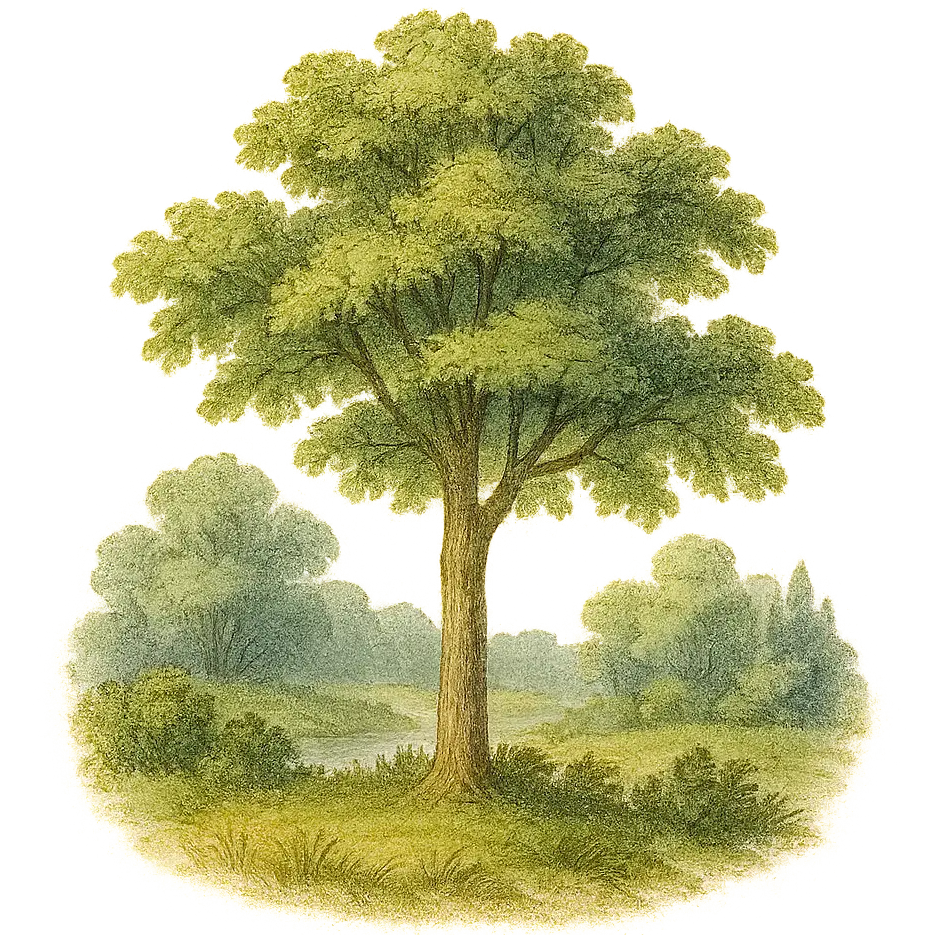
This tree thrives in moist, loamy and alluvial soils, preferring tropical and subtropical climates with adequate rainfall.
Read more
CULINARY USE
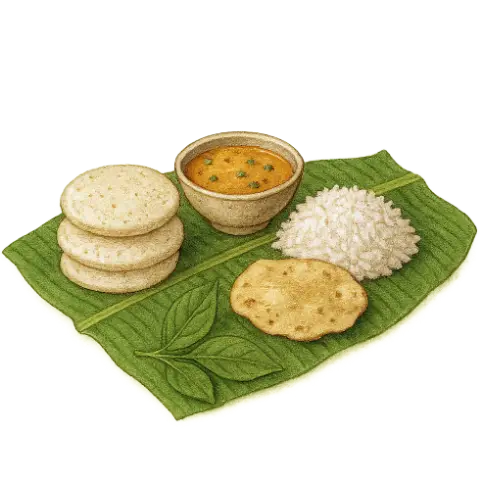
Arjun bark powder boiled in milk or water is consumed as a tonic beverage in Ayurvedic practice to support heart health and stamina. The fruits are sometimes used in herbal teas for digestion but are not commonly eaten as food. In some rural areas, bark extracts are taken as natural wellness drinks instead of stimulant-based beverages.
Read more

FOUND HERE
Hiranandani Foundation School
Read more

DO YOU KNOW?
The Arjun tree is named after the warrior Arjuna from the Mahabharata and is traditionally described as the "herbal heart shield" for its powerful heart-protective properties.


EARTH CHALLENGE
Why is the Arjun tree especially important in Ayurveda?