
Terminalia belerica,
Combretaceae
Behada
AKA: Beleric Myrobalan
ORIGIN
Native
GEOGRAPHIC RANGE
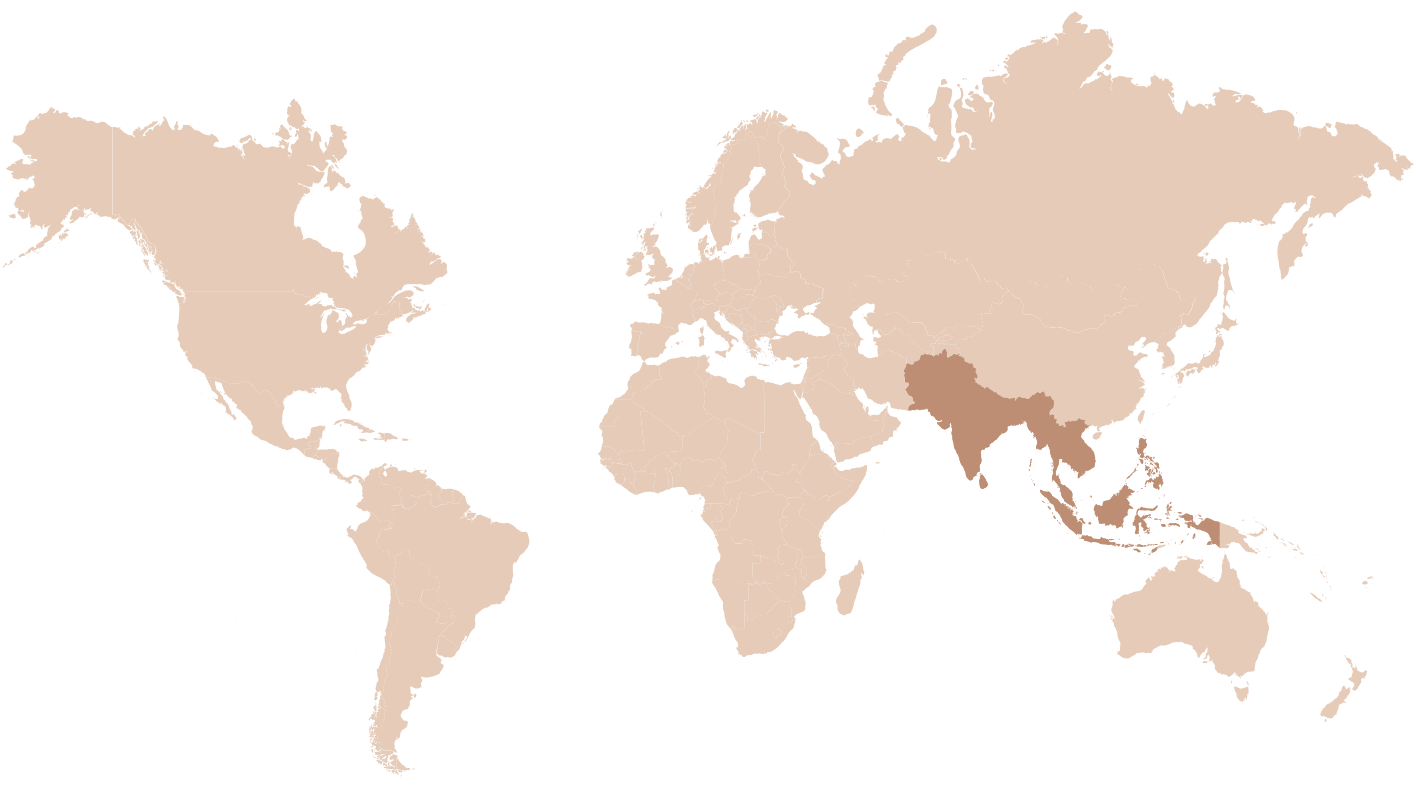
Behada is native to South and Southeast Asia, including India, Nepal, Sri Lanka, Bangladesh, Myanmar, Thailand and Malaysia.
HEIGHT
20 - 35 m

CONSERVATION STATUS
Least Concern on the
IUCN Red List
IUCN RED LIST
Established in 1964, The IUCN Red List is a critical indicator of the health of the world’s biodiversity. Species are classified by the IUCN Red List into nine groups, through criteria such as rate of decline, population size and area of geographic distribution as:
- Extinct (EX) – This species is no longer extant
- Extinct in the wild (EW) – Survives only in captivity, or through cultivation often outside native range
- Critically endangered (CR) – In an extremely critical state
- Endangered (EN) – Very high risk of extinction in the wild
- Vulnerable (VU) – At high risk of unnatural (human-caused) extinction
- Near Threatened (NT) – Close to being endangered in the near future
- Least Concern (LC) – Widespread and abundant in the wild
- Data Deficient (DD) – Inadequate information to assess extinction risk
- Not Evaluated (NE) – Has not yet been assessed
ORIGIN
Native
HEIGHT
20 - 35 m
GEOGRAPHIC RANGE
Behada is native to South and Southeast Asia, including India, Nepal, Sri Lanka, Bangladesh, Myanmar, Thailand and Malaysia.
CONSERVATION STATUS
Least Concern on the
IUCN Red List
BARK, FOLIAGE, FRUIT & FLOWER
Bark: Ashy grey and flaking; used in traditional remedies and tanning.
Leaves: Large and elliptic; shed in the dry season and contribute to shade and soil health.
Flowers & Fruit: Small spring-blooming flowers; round fruits mature to hard brown drupes used extensively in medicine and Triphala.
Leaves: Large and elliptic; shed in the dry season and contribute to shade and soil health.
Flowers & Fruit: Small spring-blooming flowers; round fruits mature to hard brown drupes used extensively in medicine and Triphala.

GENERAL DESCRIPTION
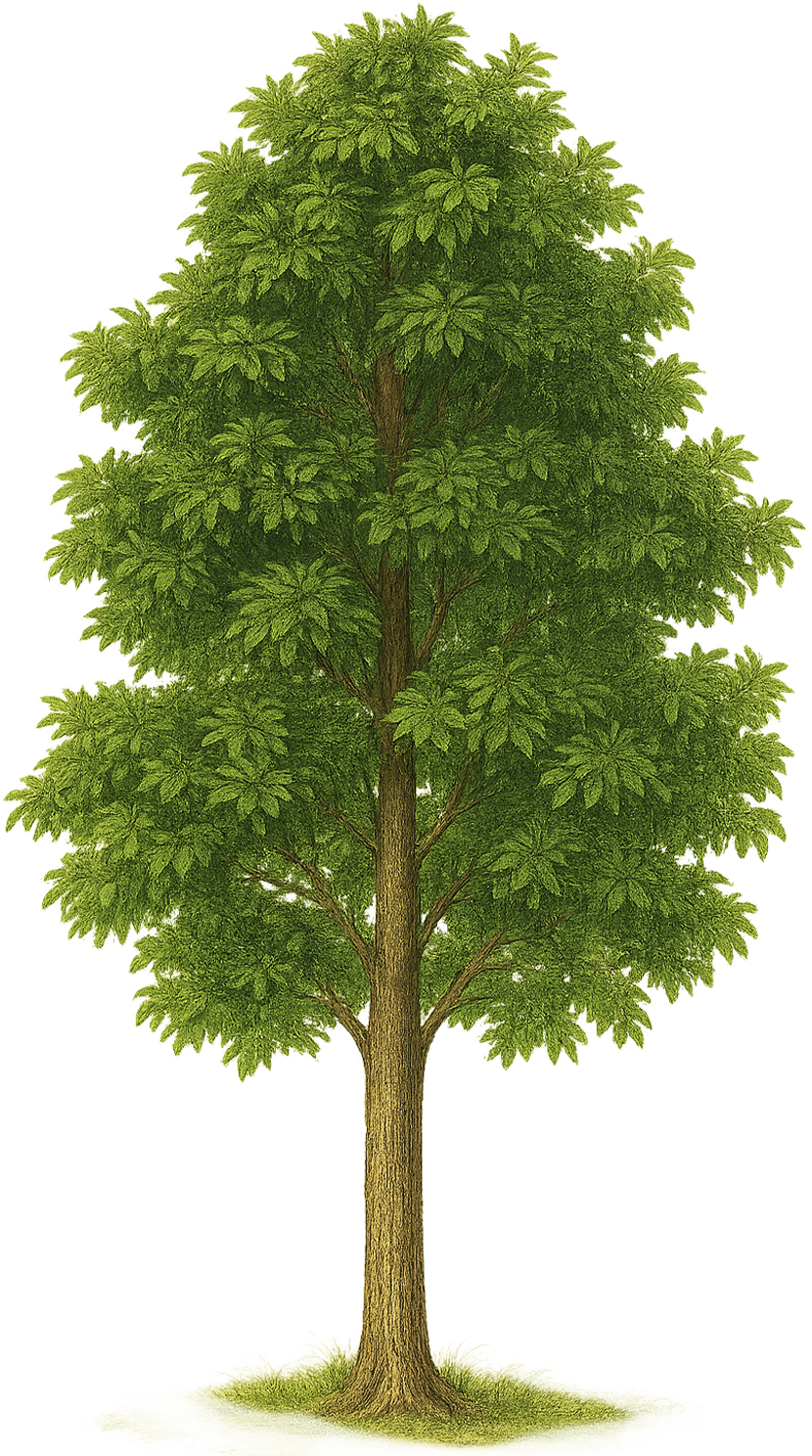
Behada is a large deciduous tree growing about 20 - 35 meters tall, with a straight trunk and a wide-spreading crown. The bark is ashy grey and flakes off in irregular patches as the tree matures. Leaves are large, broadly elliptic and arranged alternately, often clustered toward the ends of branches. During the dry season, the tree sheds its leaves before fresh growth appears. Small greenish-yellow flowers bloom in axillary spikes during spring (March - May). The fruits are round drupes, about 2 - 3 cm wide, velvety and greyish when young, becoming brown and hard when mature. Behada is widely known as one of the three fruits of the Ayurvedic formulation Triphala.
Read more
MEDICINAL USE
In Ayurveda, Behada is a cornerstone herb and a key component of Triphala. The fruit is valued as a rejuvenator (Rasayana), digestive tonic, mild laxative and respiratory cleanser. It is traditionally used to treat cough, sore throat, asthma, digestive disorders, diarrhea and eye diseases. Rich in tannins, gallic acid and ellagic acid, the fruit shows antioxidant and antimicrobial properties. Modern studies support its liver-protective, anti-inflammatory, lipid-lowering and blood sugar - regulating effects. Bark and kernels are sometimes used for skin ailments and infections.
Read more
ECOLOGICAL IMPORTANCE
Behada is an important tree of dry and moist deciduous forests. Its broad canopy provides shade and helps moderate microclimates, while the deep root system reduces soil erosion. The fruits are eaten by birds, monkeys, deer and other wildlife, aiding natural seed dispersal and forest regeneration. Because of its resilience and value, the tree is also planted in reforestation and herbal plantation programs.
Read more
CULTURAL SIGNIFICANCE
Behada holds a sacred place in Ayurveda and is believed to have originated from divine nectar, similar to Haritaki and Amla. The tree is often planted near temples, monasteries and Ayurvedic gardens. Its wood is hard and durable, used locally for furniture and agricultural tools. Fruits were traditionally used as natural ink and dye, linking the tree to cultural craftsmanship. Symbolically, Behada represents wisdom, clarity and balance of body and mind.
Read more
HABITAT
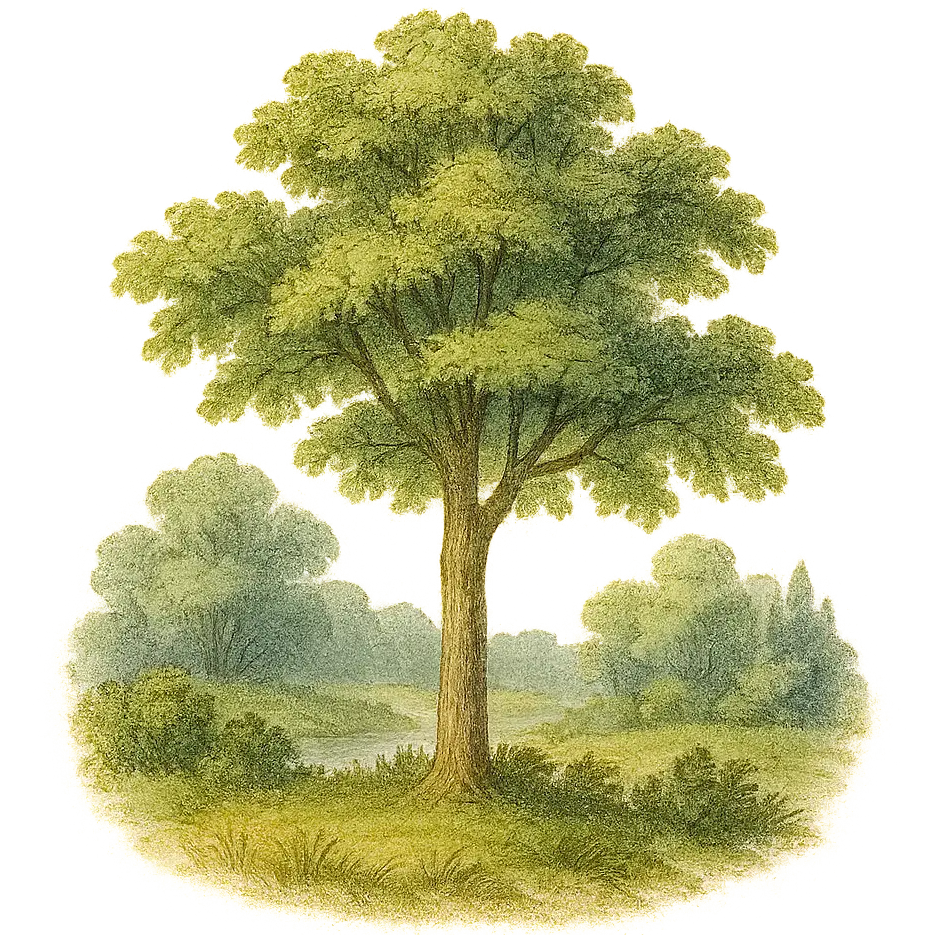
Growing in mixed deciduous forests, particularly in the plains and lower Himalayan foothills up to an altitude of 1,200 m, the Behada thrives in deep, fertile, well-drained soils and prefers warm, humid tropical climates, though it can tolerate dry conditions.
Read more

CULINARY USE
Behada is not a regular food fruit. The dried fruit powder is sometimes included in Ayurvedic tonics, digestive chutneys or herbal teas. Its high tannin content makes it more important for medicinal and craft uses than for direct consumption.
Read more

FOUND HERE
Kavesar Garden
Read more

DO YOU KNOW?
Behada is known in Sanskrit as Bibhitaki, meaning "fearless," reflecting its traditional reputation as a protector against disease and decay.


EARTH CHALLENGE
Why is Behada especially important in Ayurveda?